Sponsored content:
Tales of My Father Series
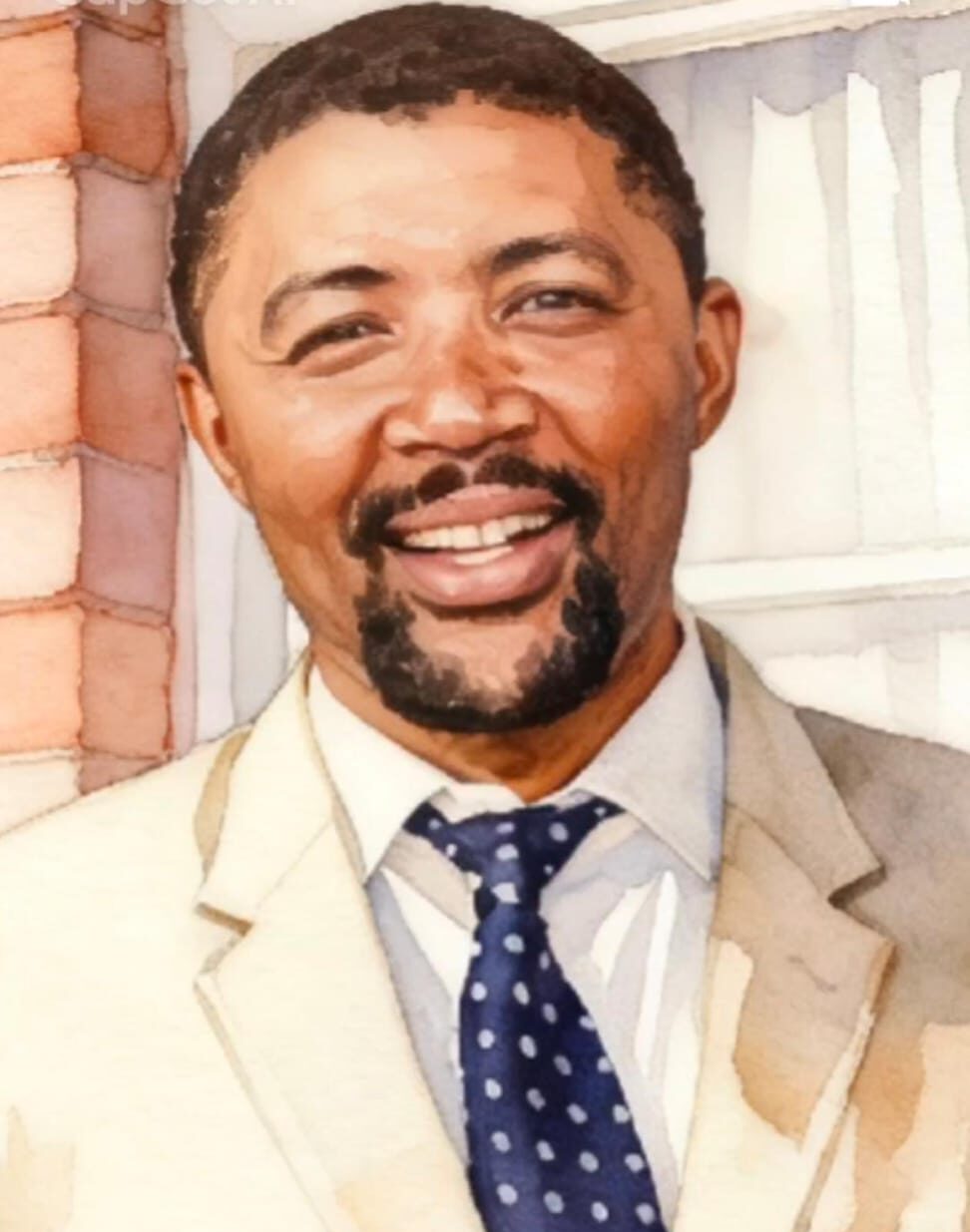
Sephiri William Sebokedi-Phetlhu (1927–2027)
The Legacy of Sephiri William Sebokedi-Phetlhu – Philanthropy Through Education
The story of Sephiri William Sebokedi-Phetlhu is one rooted in resilience, vision, and a profound commitment to uplifting others through education. As we approach the centenary of his life in 2027, his legacy continues to echo across generations – particularly in the communities of Temba and greater Hammanskraal, where his impact remains both visible and deeply felt.
Denied the opportunity to pursue higher education due to poverty, Sephiri refused to let circumstances define his destiny. Instead, he transformed adversity into purpose. Through determination and entrepreneurial spirit, he rose to become a successful social entrepreneur, establishing the Babelegi Restaurant and Supermarket in the Babelegi Industrial Park. Yet, his success was never an end in itself – it became a means to empower others.
In 1971, following his family’s relocation from Springs to Temba, Sephiri took on a pioneering leadership role as the first principal of the Bantu Investment Corporation (BIC) Business Centre. This institution was more than a training facility; it was a beacon of economic empowerment, equipping local entrepreneurs with critical business and enterprise development skills. Its evolution into the Temba Manpower Centre, and later its incorporation into the Tshwane North TVET College, stands as a lasting testament to his foundational work in skills development.
By 1973, driven by an entrepreneurial vision, he left formal employment to build his own enterprise. The rapid success of his business marked the beginning of a powerful shift – from personal achievement to community transformation. Sephiri launched an intentional and sustained social investment drive, focusing particularly on education as a tool for long-term empowerment.
One of his most significant contributions was his leadership in establishing Phelang Special School. Recognising the urgent need to support children with special needs, and to enable their parents to participate meaningfully in the workforce, he convened a coalition of community leaders, social workers, educators, and business owners. Working alongside dedicated individuals such as Mrs Tshoke, Shiela Moagi, Dudu Ntlatleng, Poppie Motiang, Patricia Malao, and Basetsana Monnakgotla, he helped lay the foundation for an institution that would transform countless lives.
Under his guidance, an interim steering committee was formed, bringing together respected community figures including Senty Sentle, Jessie Moroka, Joe Moeketsi, Patrick Tshoke, and Obed Mashishi. This collective undertook the critical work of establishing governance structures, securing facilities, registering the institution, and mobilising resources.
Sephiri’s own business became a cornerstone donor, providing essential groceries and supplies. The Temba Taxi Association contributed transport services for learners, while government departments and local health institutions ensured that holistic support systems were in place. This collaborative model of development – anchored in community ownership and shared responsibility – was central to his philosophy.
Through the Mokolokotane Crowd Fundraising Campaign, he sustained momentum by mobilising support from the industrial and manufacturing sectors in Babelegi. Contributions ranged from financial donations to essential equipment, including furniture, stoves, and sewing machines, tools that enabled both learning and creativity.
Today, Phelang Special School stands as a thriving institution, serving over 500 learners with the support of dedicated educators and a structured governance system. Its recognition as an official special school under the Tshwane North District is not only a milestone for the institution but a powerful reflection of Sephiri’s enduring vision.
Phelang Special School stands as a powerful expression of community-driven compassion and visionary leadership, providing educational opportunities to learners with special needs who would otherwise be excluded from mainstream schooling.
Beyond the classroom, Phelang has played a transformative role in the broader community. By creating a safe and supportive learning environment for learners, the school has enabled parents and caregivers to participate more actively in the workforce, thereby strengthening household stability and local economic participation.
Today, Phelang continues to embody the belief that every child deserves access to education – regardless of circumstance. It is a living testament to what is possible when a community comes together to invest in its most vulnerable members, ensuring that no learner is left behind.
As we commemorate 100 years since his birth, the legacy of Sephiri William Sebokedi-Phetlhu calls us to action. His life reminds us that true success lies not in accumulation, but in contribution; not in individual advancement, but in collective upliftment.
The centenary celebrations offer a meaningful opportunity to honour this legacy by renewing a commitment to philanthropy in education. Through the Commemorative Centenary Charity Crowd Fundraising Campaign, we invite individuals, businesses, and institutions to contribute towards a focused and impactful cause: providing school shoes for learners at Phelang Special School.
For many learners, something as simple as a pair of school shoes can make a profound difference, restoring dignity, improving daily comfort, and enabling consistent school attendance. By supporting this initiative, donors will not only meet an immediate need but also advance educational access and inclusion for children with special needs.
This campaign reflects the very essence of Sephiri William Sebokedi-Phetlhu’s legacy, practical, community-driven philanthropy that responds directly to the lived realities of the people it serves. It is a continuation of his lifelong commitment to ensuring that no child is left behind because of circumstances.
In contributing to this cause, we do more than give; we invest in confidence, dignity, and the future of every learner supported through this initiative. Together, we can walk forward in his footsteps, ensuring that his vision of empowerment through education continues to shape generations to come.
In remembering Sephiri, we do more than reflect; we recommit. His legacy lives on in every learner empowered, every opportunity created, and every life transformed through education.
Acknowledgement: This article was written with the contribution of information and research from Abel Ramatlhaswana “Senty” Sentle, a retired community member who has, in his own right, played a valuable role in the development of the Temba Community in the last five decades from the 1970`s as an educator, business entrepreneur and community leader.