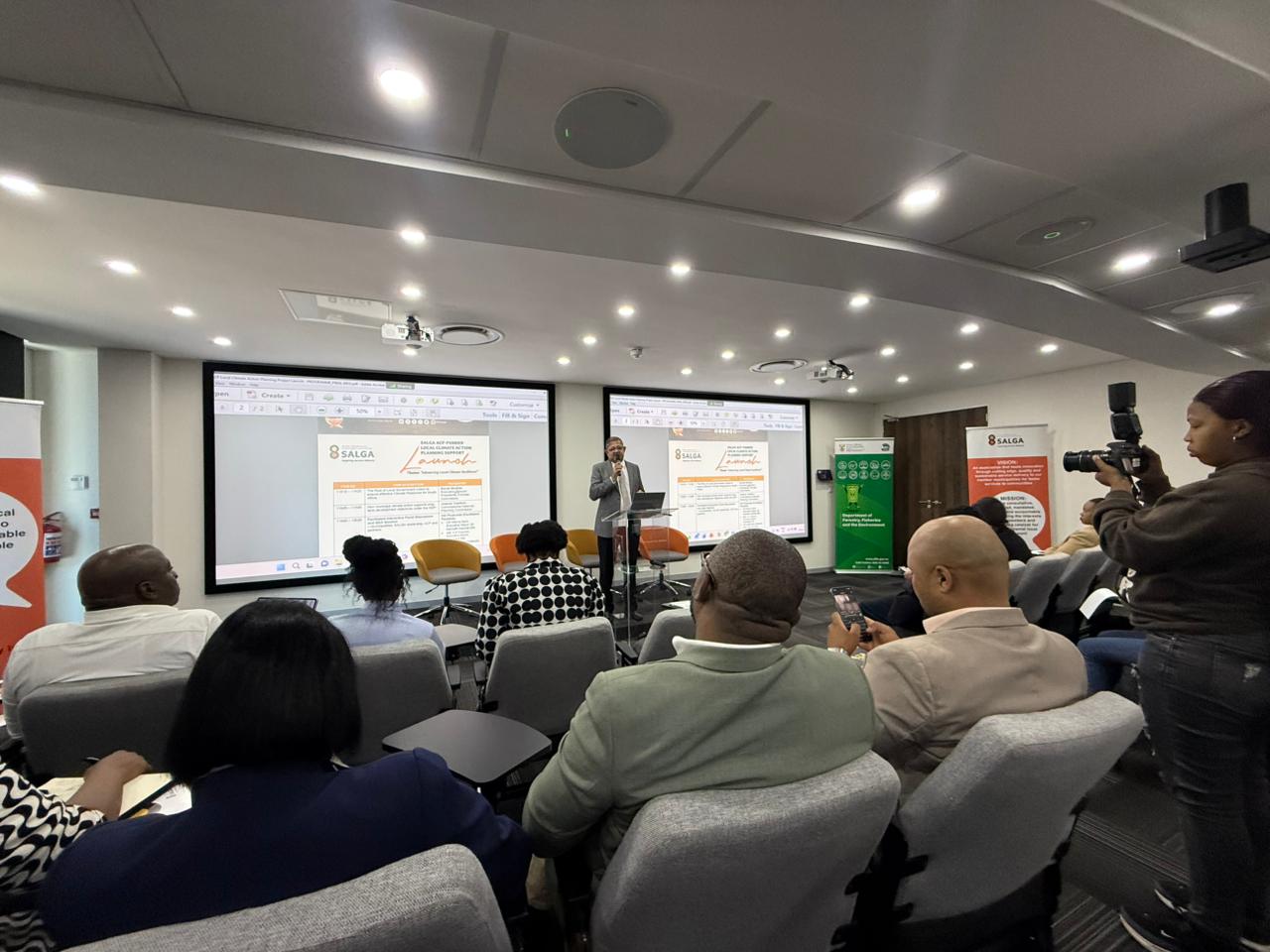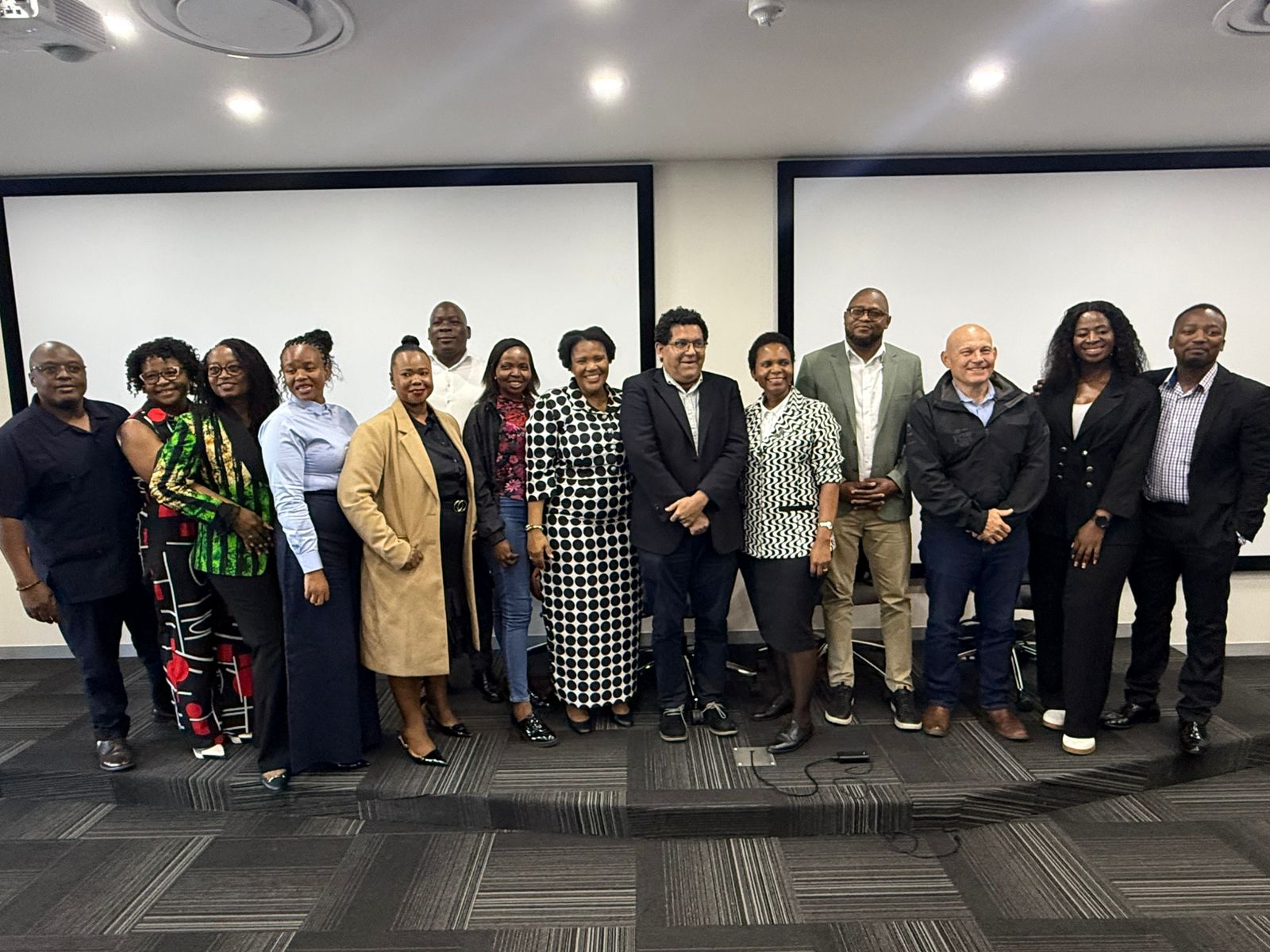
Tshwane — The South African Local Government Association (SALGA), in partnership with the African Climate Foundation (ACF), has launched a 22‑month Climate Action Planning Support Project aimed at strengthening climate planning and implementation across all 35 district municipalities in South Africa.
The initiative, unveiled on 21 April 2026 in Pretoria under the theme “Advancing Local Climate Resilience,” seeks to move municipalities from climate policy discussions to structured implementation, placing districts at the centre of building local resilience.
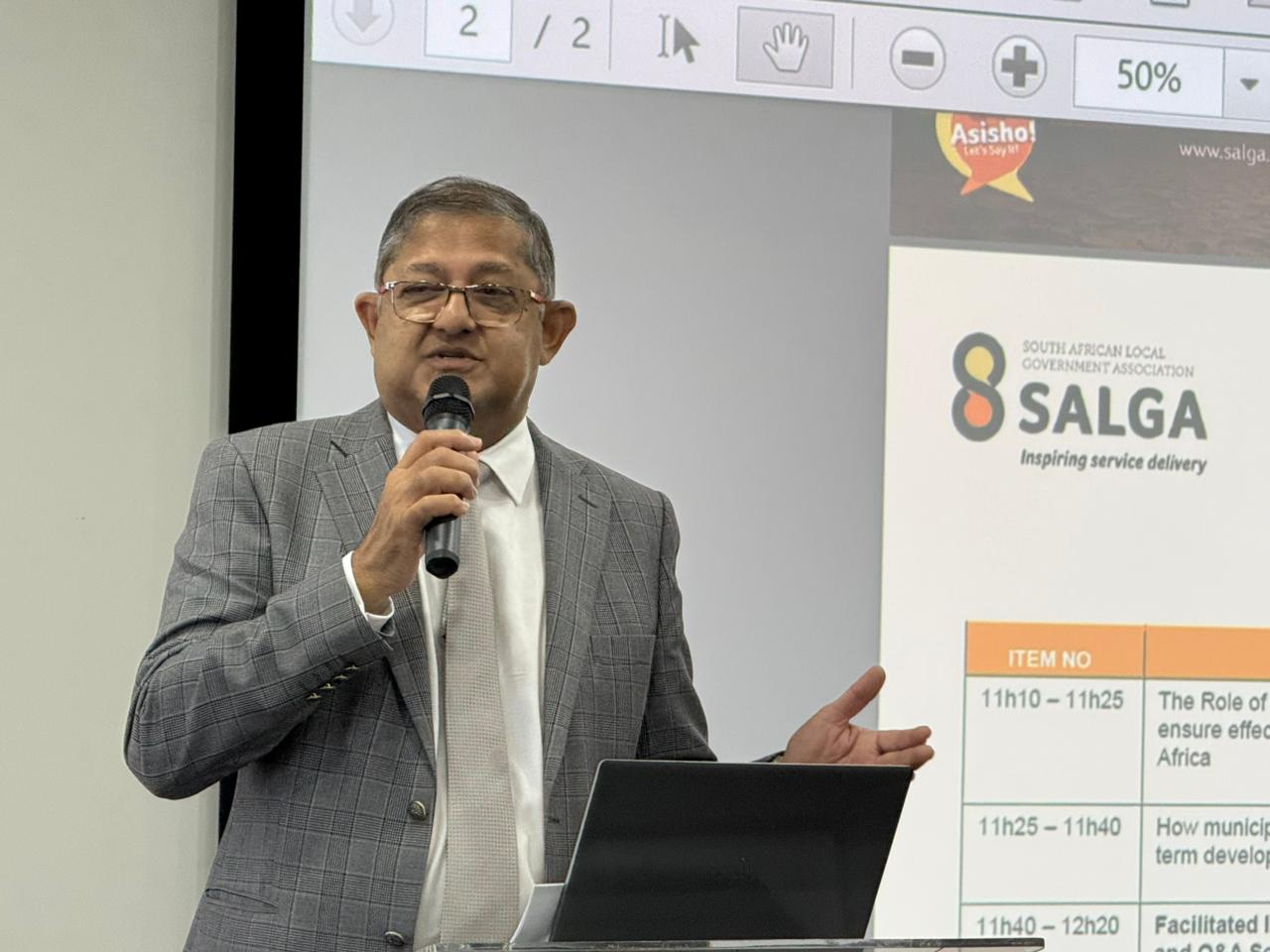
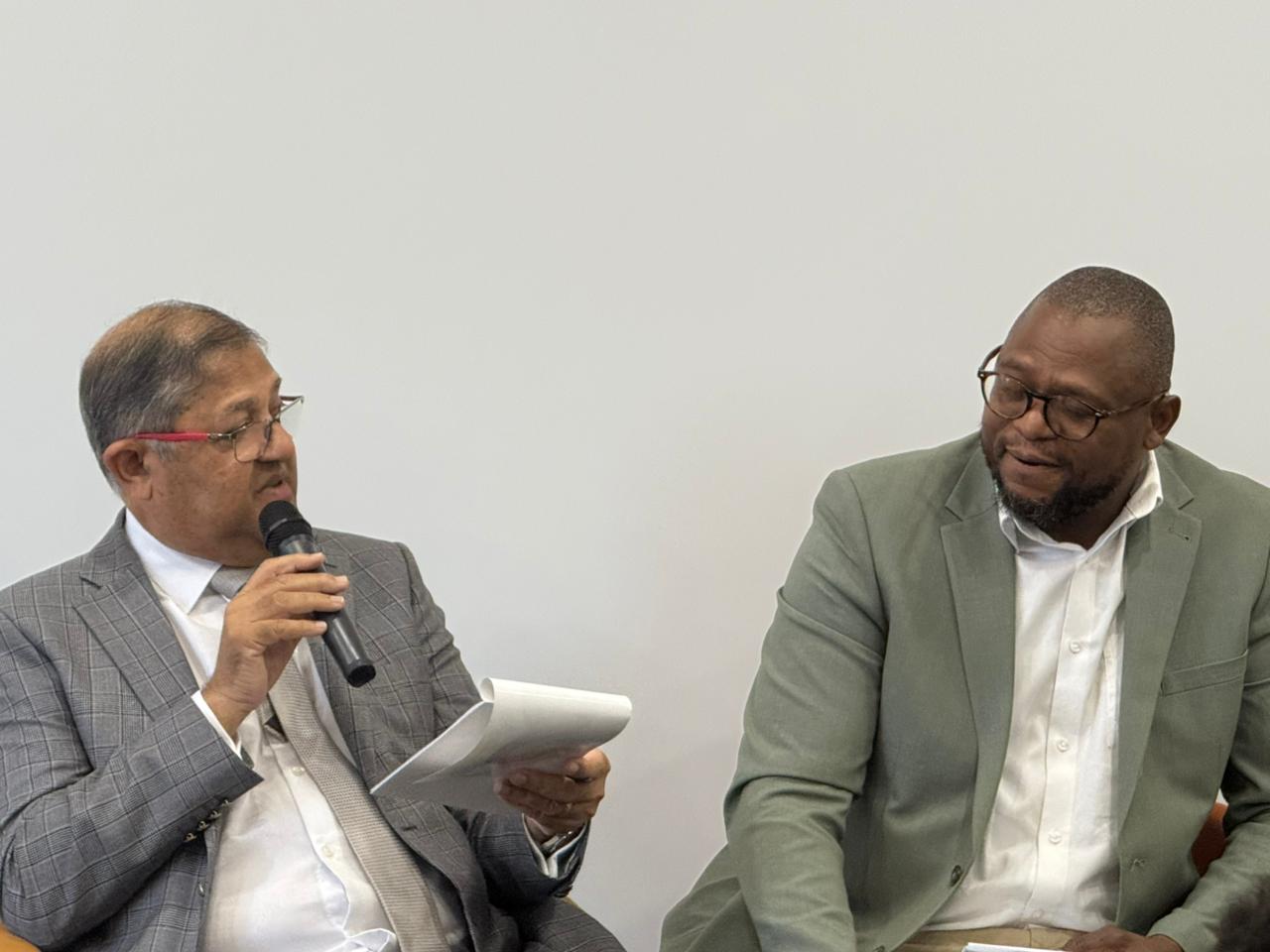
Speaking at the launch, Mr Mthobeli Kolisa, Chief Officer, Infrastructure Delivery and Spatial Transformation Services at SALGA, said the project represents a deliberate shift from policy development to measurable action at the municipal level. Funded by the African Climate Foundation, the programme is designed to embed climate planning into Integrated Development Plans (IDPs), Spatial Development Frameworks (SDFs), municipal budgets and performance systems.
Mr Kolisa explained that the project will support municipalities in conducting climate risk and vulnerability assessments, developing greenhouse gas mitigation strategies, identifying and prioritising bankable climate projects, and packaging funding proposals to unlock climate finance. It will also strengthen cross‑departmental coordination, improve monitoring and reporting systems, and facilitate peer learning across districts.
He noted that municipalities are at different levels of readiness, and the project therefore adopts a differentiated approach tailored to local capacity and needs.
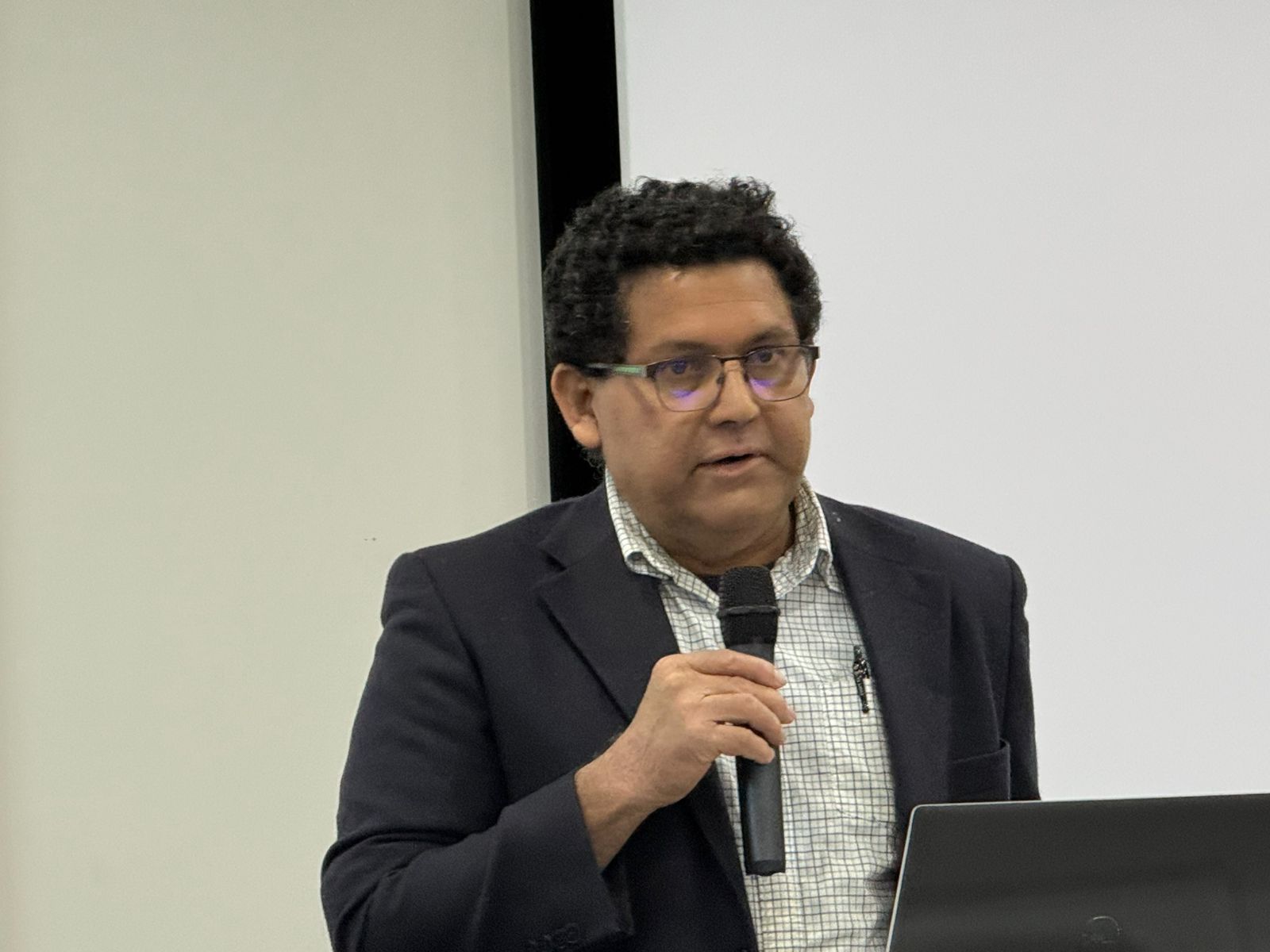
Deputy Minister of Forestry, Fisheries and the Environment, Narend Singh, emphasised that municipalities are central to implementing the Climate Change Act, Act 22 of 2024, which is now in operation. He said partnerships such as the SALGA–ACF initiative are essential to translate legislation into measurable impact on the ground.
The Department has committed to supporting district municipalities in developing council‑adopted climate response implementation plans and assisting municipalities in preparing funding proposals. It also aims to strengthen the use of early warning systems to reduce the impact of climate‑related disasters.
The Department has further launched an Environmental Graduate Programme under the Expanded Public Works Programme, placing more than 3,000 environmental graduates within municipalities. Backed by over R200 million during the current Medium‑Term Expenditure Framework period, the initiative seeks to strengthen municipal capacity while addressing youth unemployment.
Executive Mayor of the City of Tshwane, Cllr Nasiphi Moya, attended the launch in her capacity as host mayor of the Tshwane metropolitan municipality and as a Commissioner of the Presidential Climate Commission.
She said climate change is already affecting how cities function and how services are delivered. Mayor Moya noted that Tshwane has experienced severe storms, flooding in vulnerable communities, prolonged heatwaves and grass fires, placing increasing strain on roads, stormwater systems, electricity networks and water services. These events, she said, disrupt daily life, damage livelihoods, and put pressure on municipal budgets.
She further emphasised that when drainage systems fail, poorer communities are often the first to be affected, highlighting the need for preparedness and stronger infrastructure maintenance. The Mayor added that climate action must focus on mitigation and preparedness, including improved stormwater maintenance, protection of wetlands and river systems, strengthened waste management, improved energy efficiency, and reduced water losses.
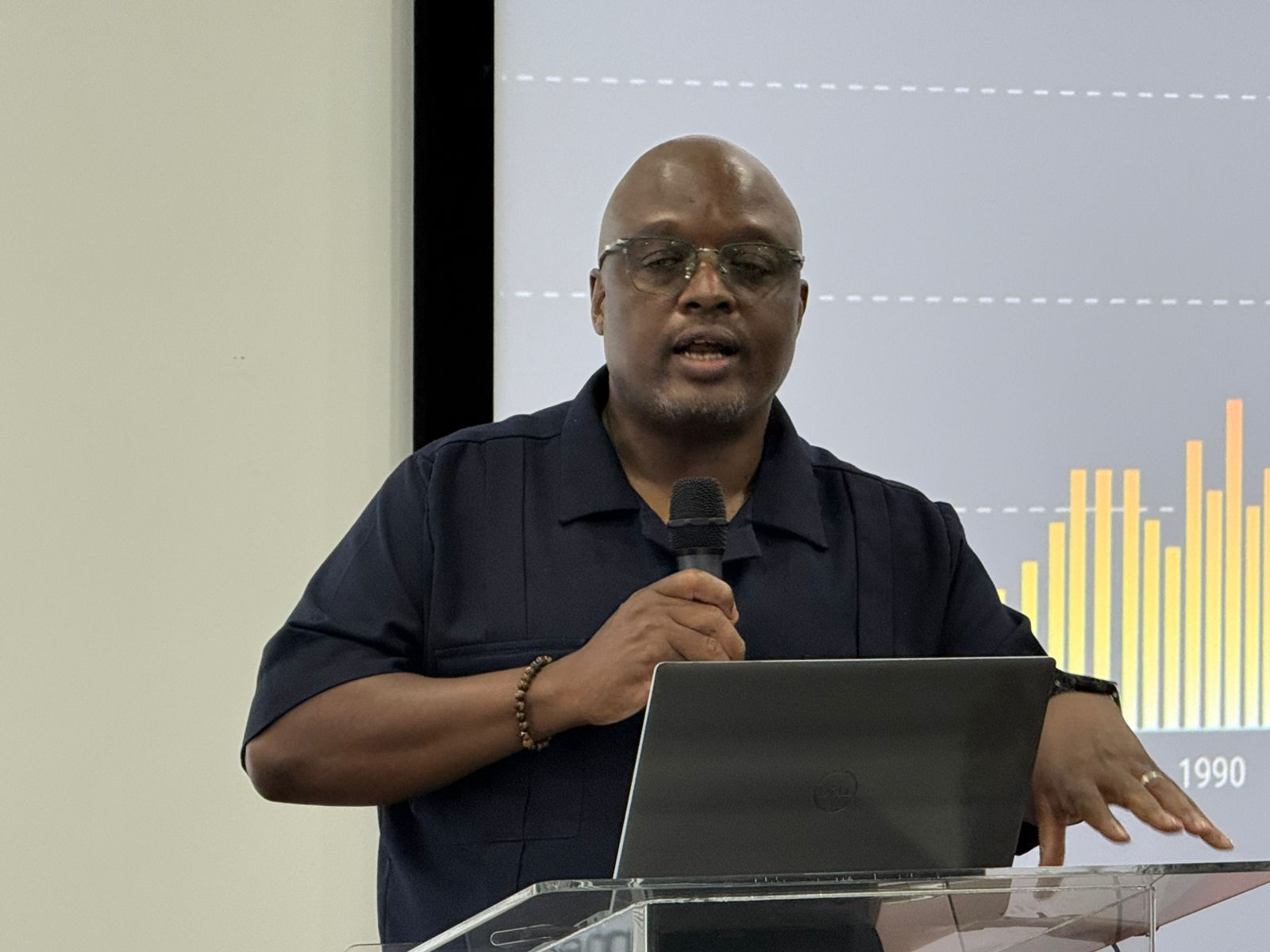
African Climate Foundation Executive Director, Mr Saliem Fakir described the initiative as part of a broader effort to link climate ambition with economic resilience. He stressed that climate investments must strengthen infrastructure systems and support local development, indicating that municipalities are where climate policy becomes tangible through service delivery and infrastructure decisions.
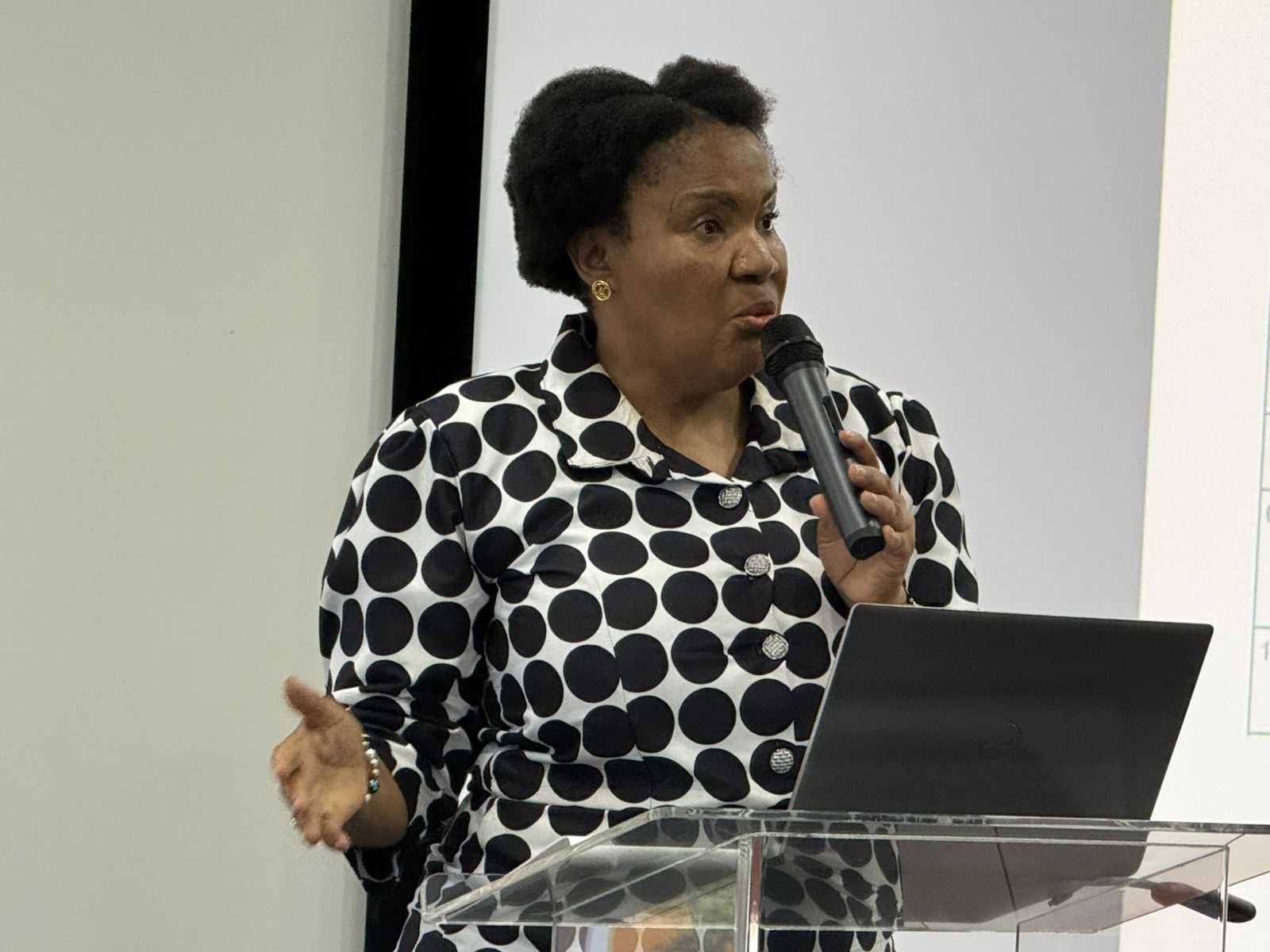
Presidential Climate Commission Executive Director Ms Dorah Modise said effective implementation of climate policy depends on strong local government action. She emphasised that municipal climate responses must align with national objectives and broader socio‑economic development priorities.
Ms Joanne Yawitch, Commissioner at the National Planning Commission, said climate resilience must be integrated into long‑term infrastructure and economic planning. She noted that strengthened municipal governance is important to achieving the goals of the National Development Plan.
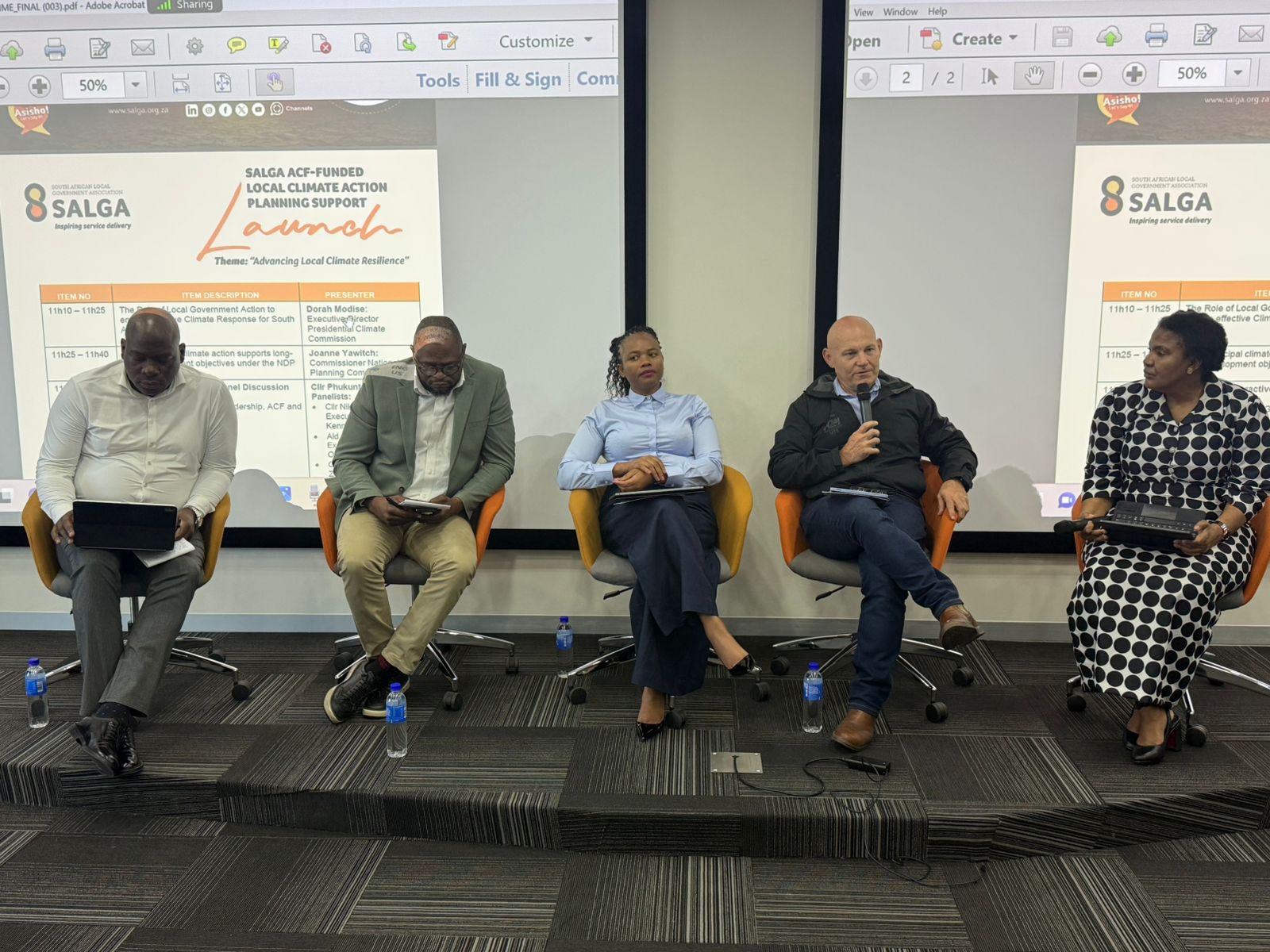
A panel discussion led by Cllr Phukuntsi and featuring district executive mayors and SALGA provincial leadership focused on the practical challenges municipalities face in implementing climate obligations, including capacity constraints and funding requirements. Participants highlighted the need for sustained technical and financial support.
Speakers at the launch agreed that the success of the initiative will depend on stronger coordination across all spheres of government, improved technical support for municipalities and sustained investment in climate preparedness.
The SALGA–ACF Climate Action Planning Support Project will run over the next 22 months, focusing on strengthening district-level institutional capacity and integrating climate considerations into municipal planning and budgeting systems.