Moretele Local Municipality has tabled its 2026/2027 Medium-Term Revenue and Expenditure Framework, outlining a R887.9 million budget that prioritises infrastructure delivery, financial sustainability and institutional accountability.
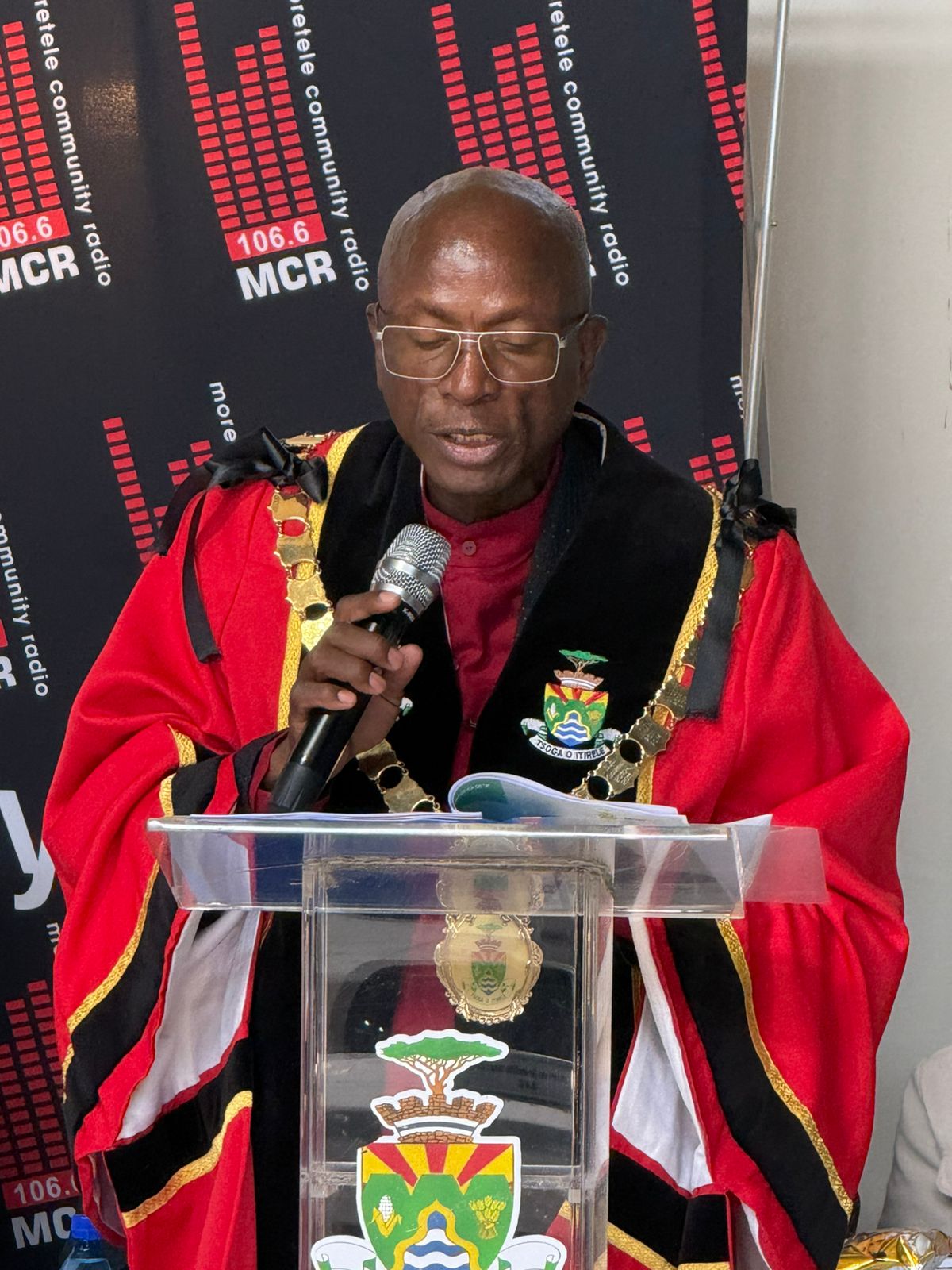
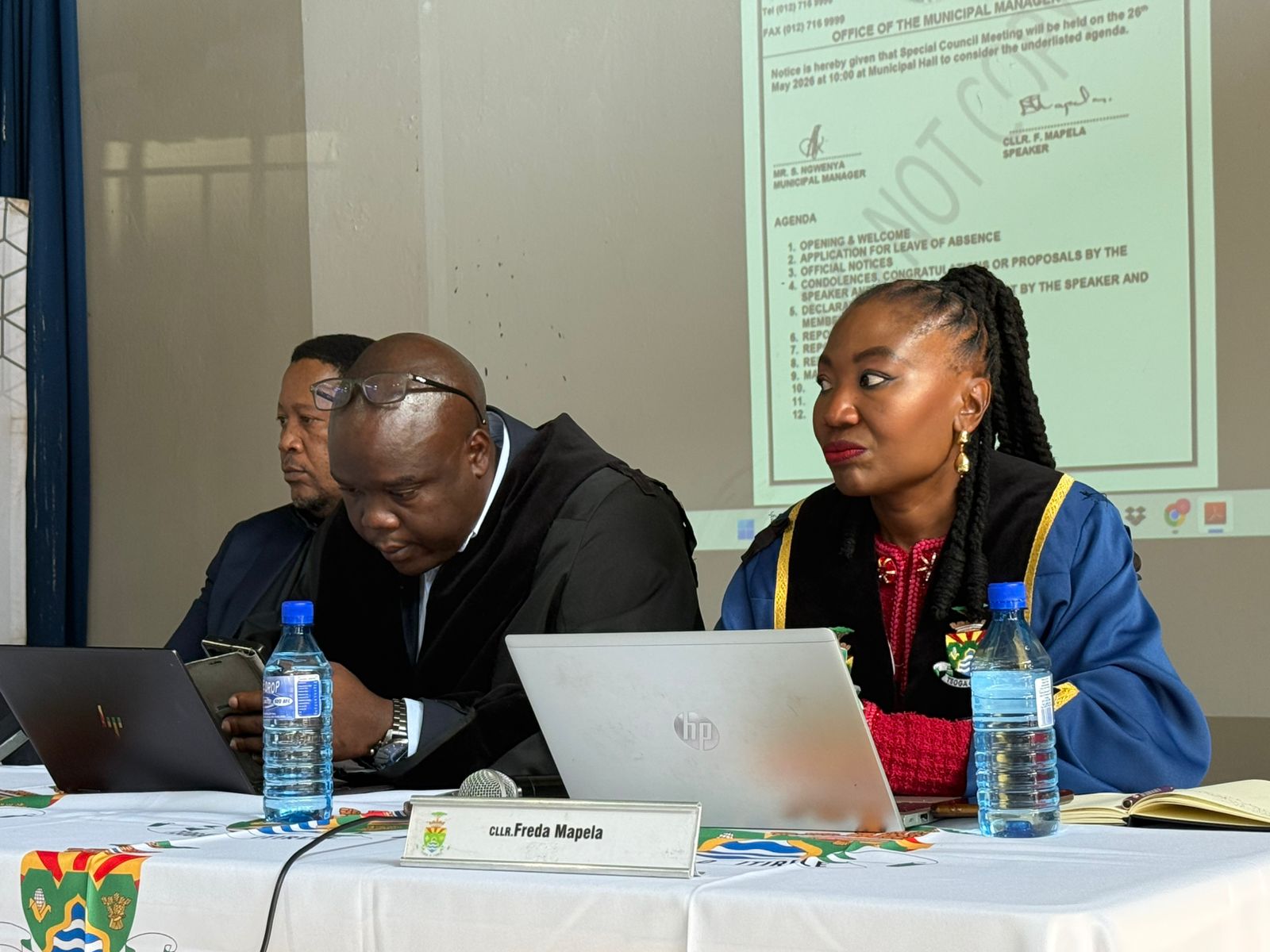
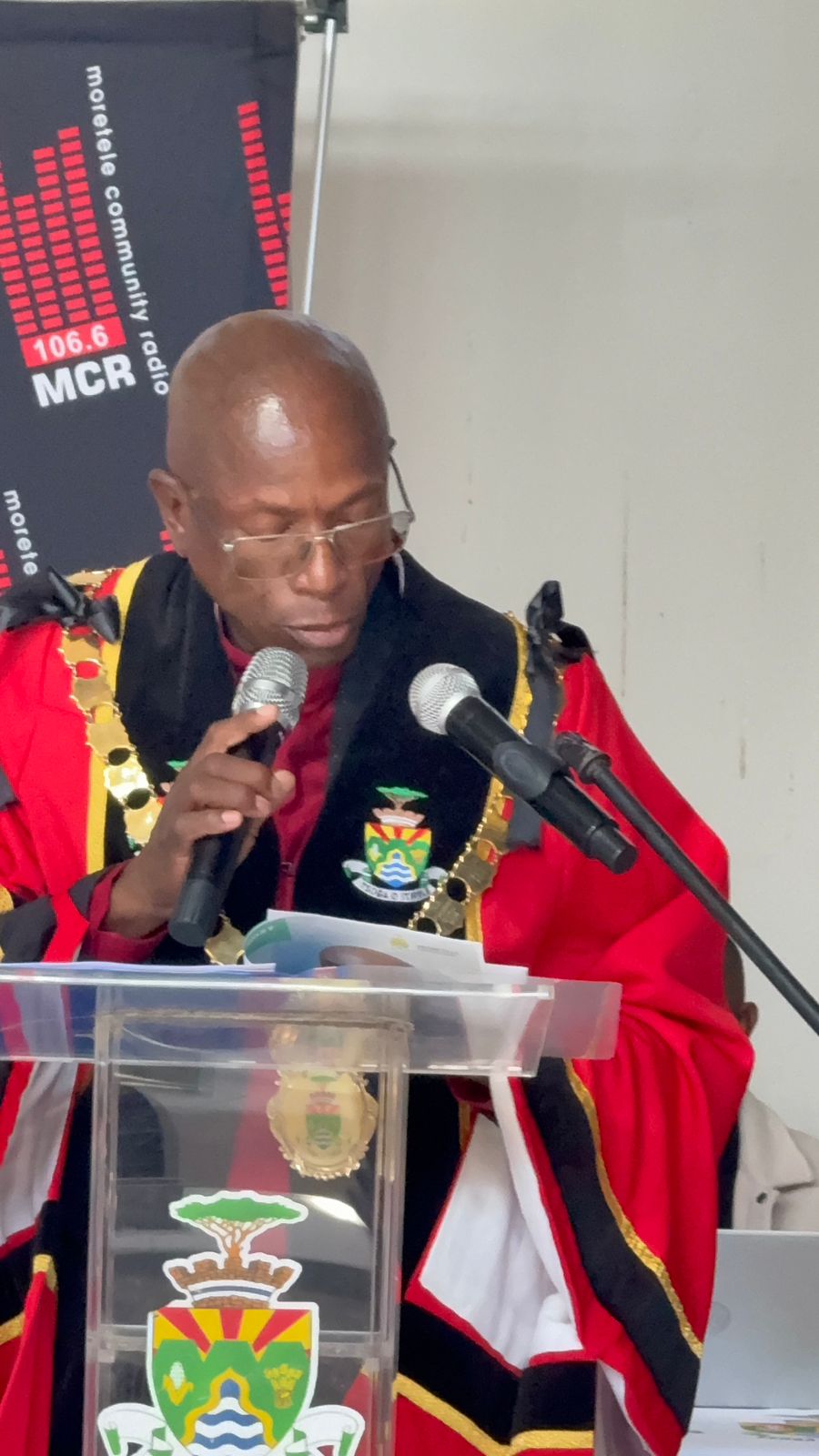
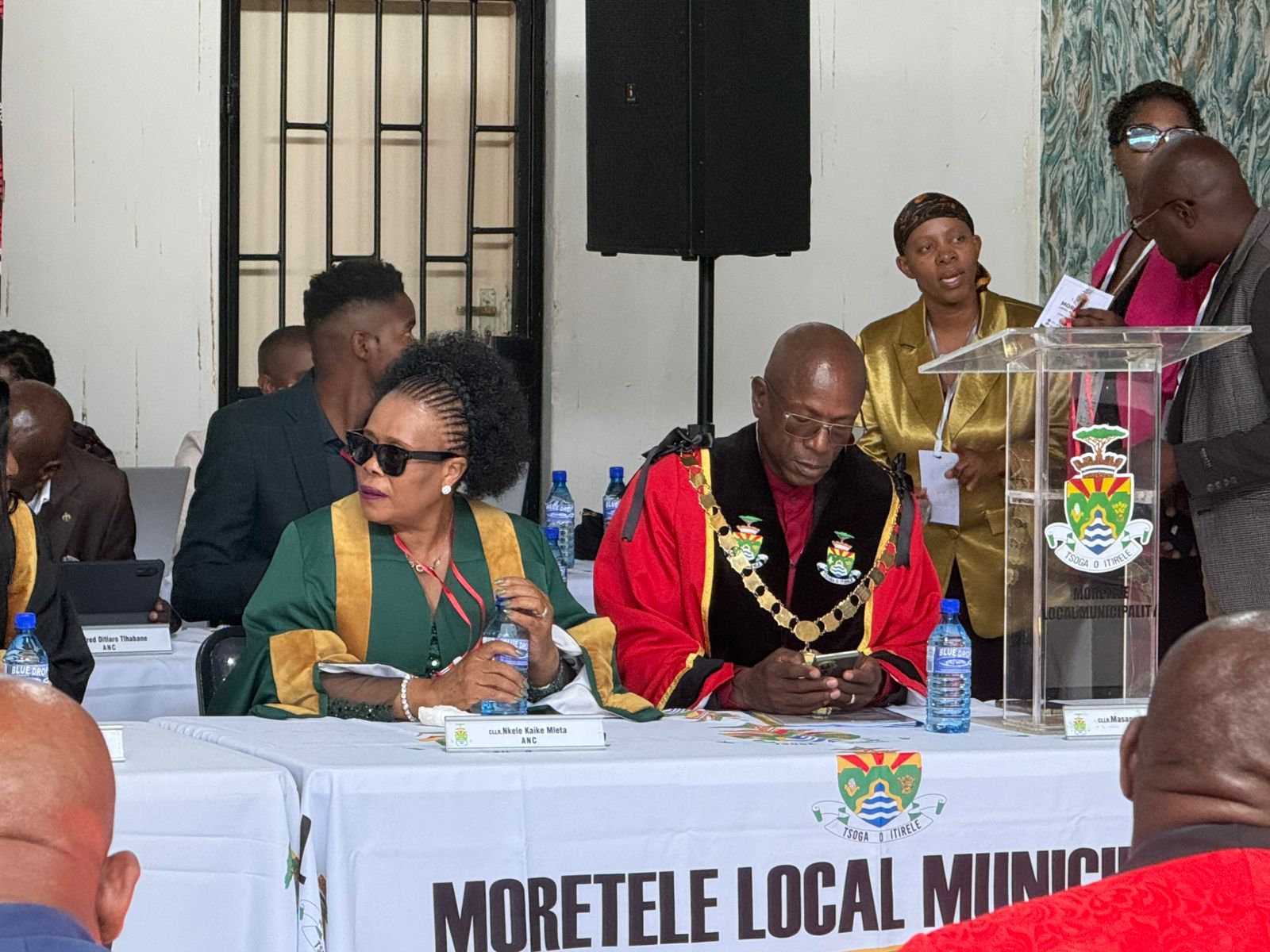
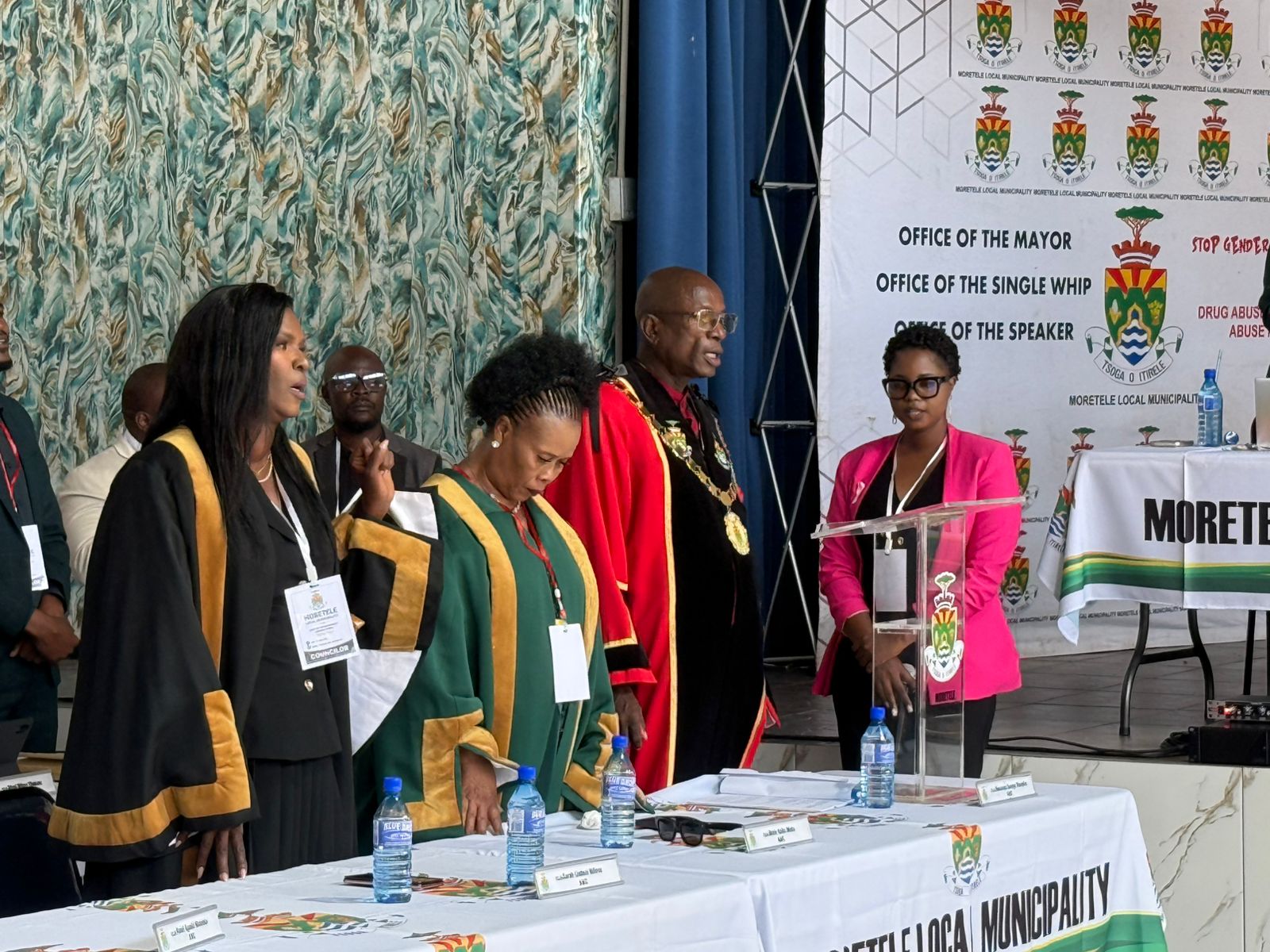
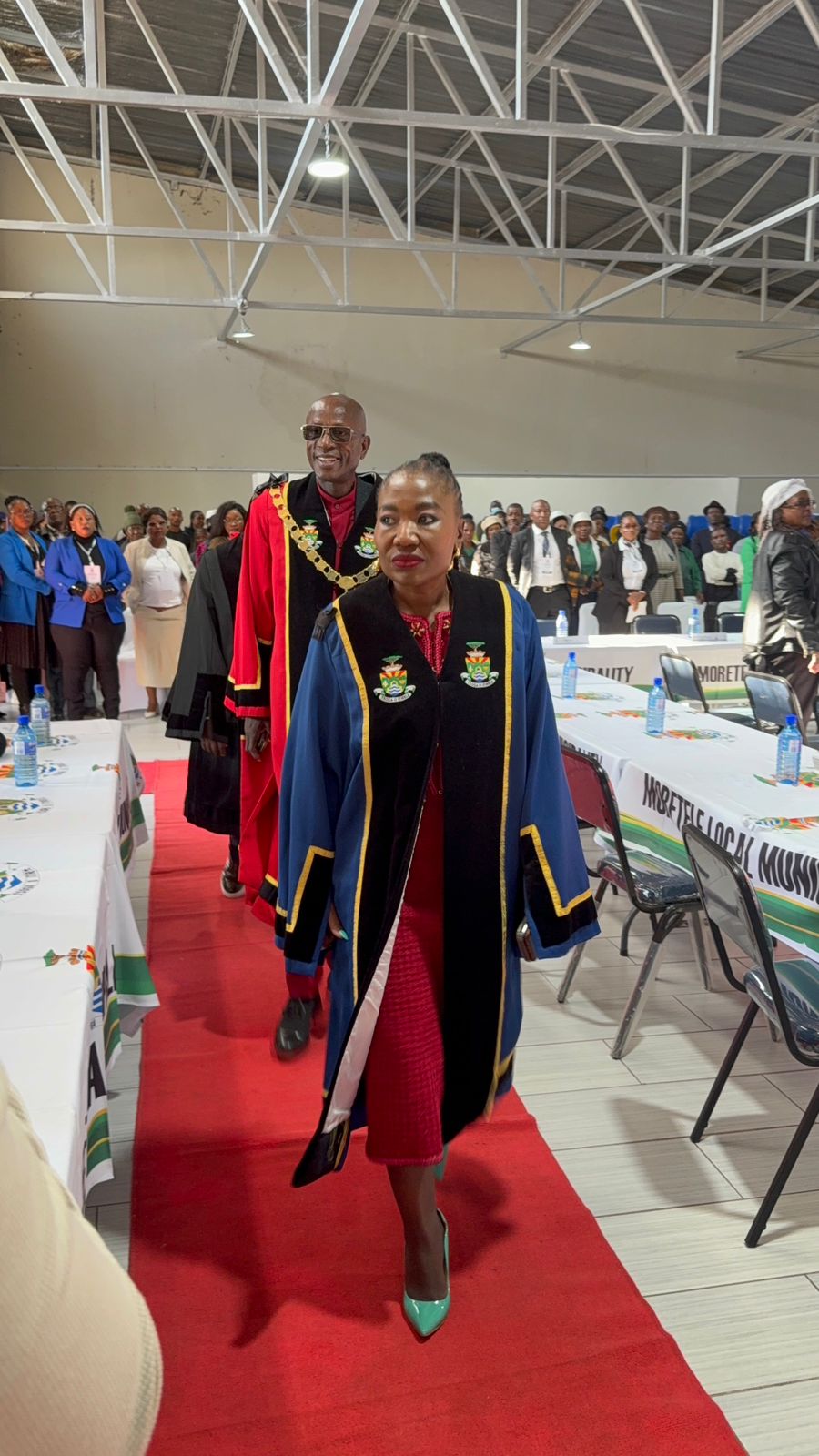
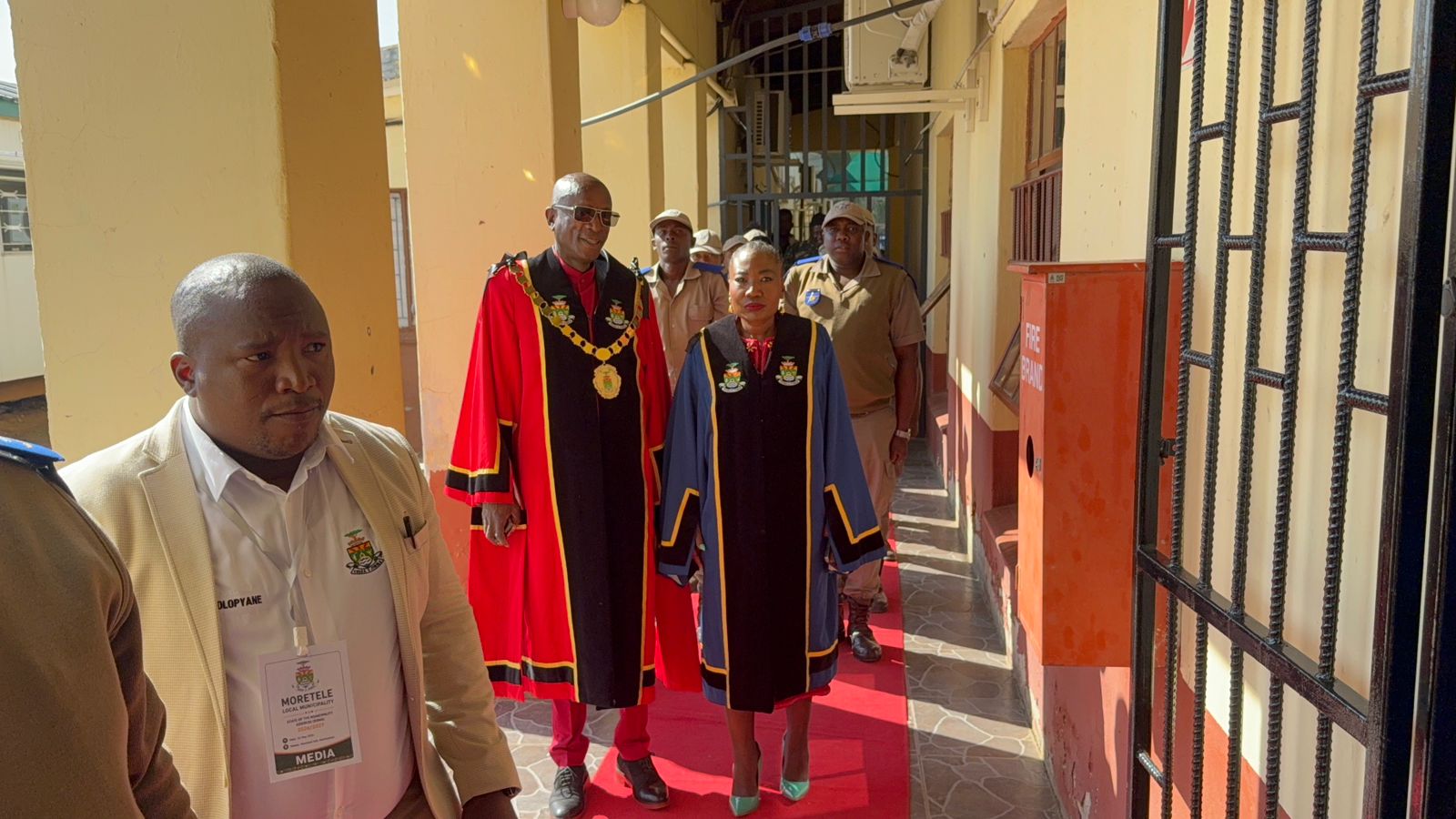
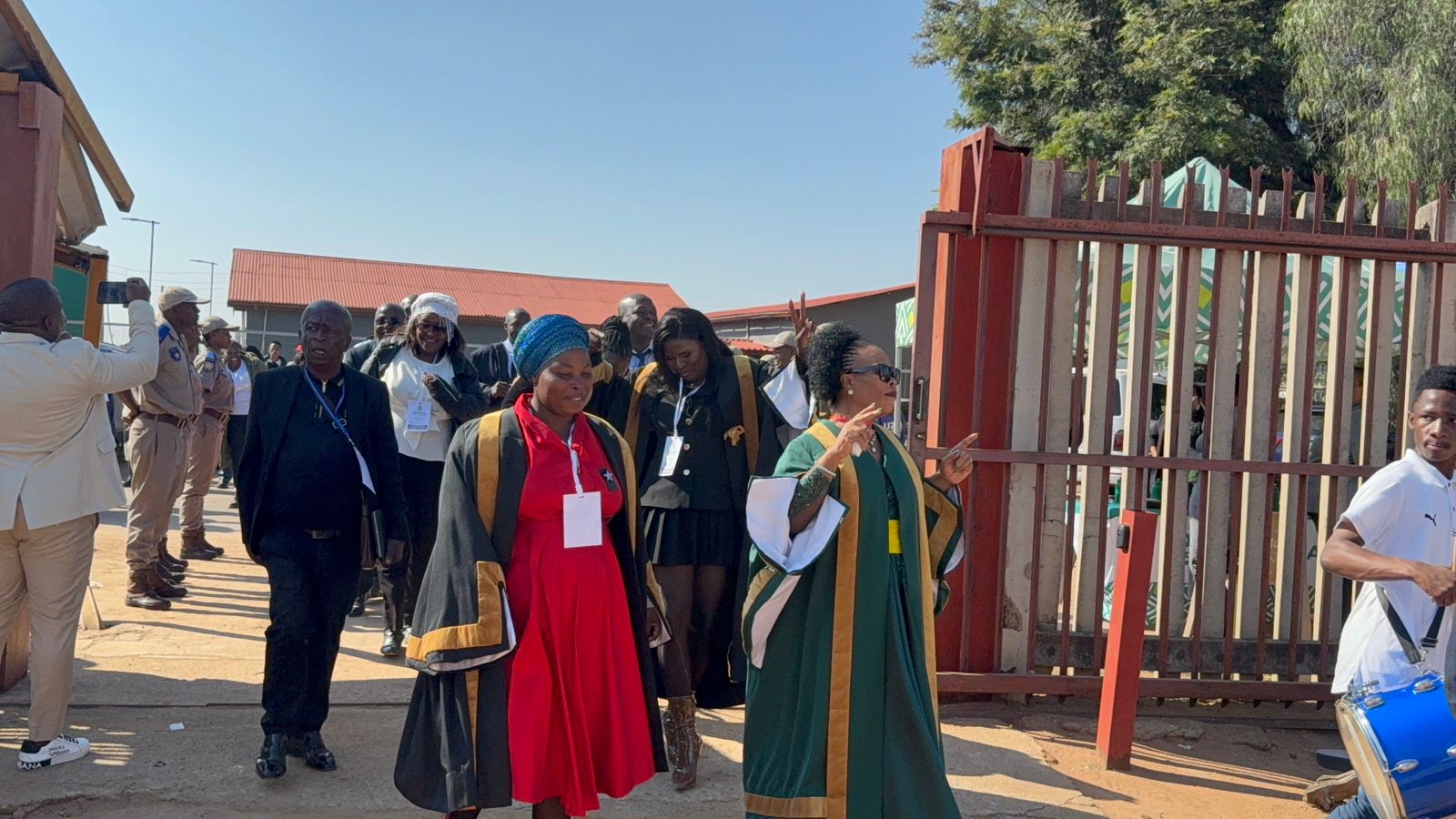
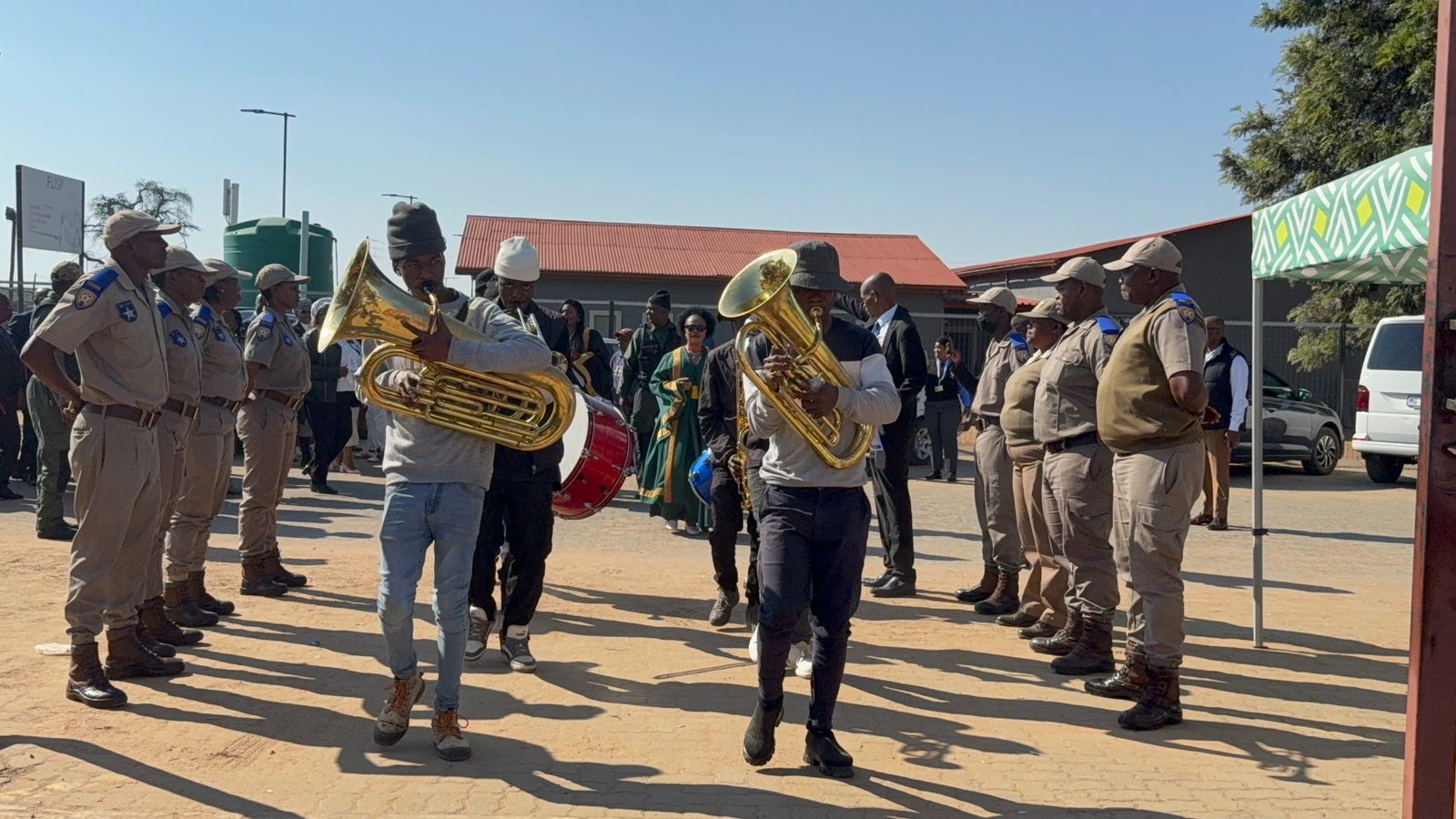
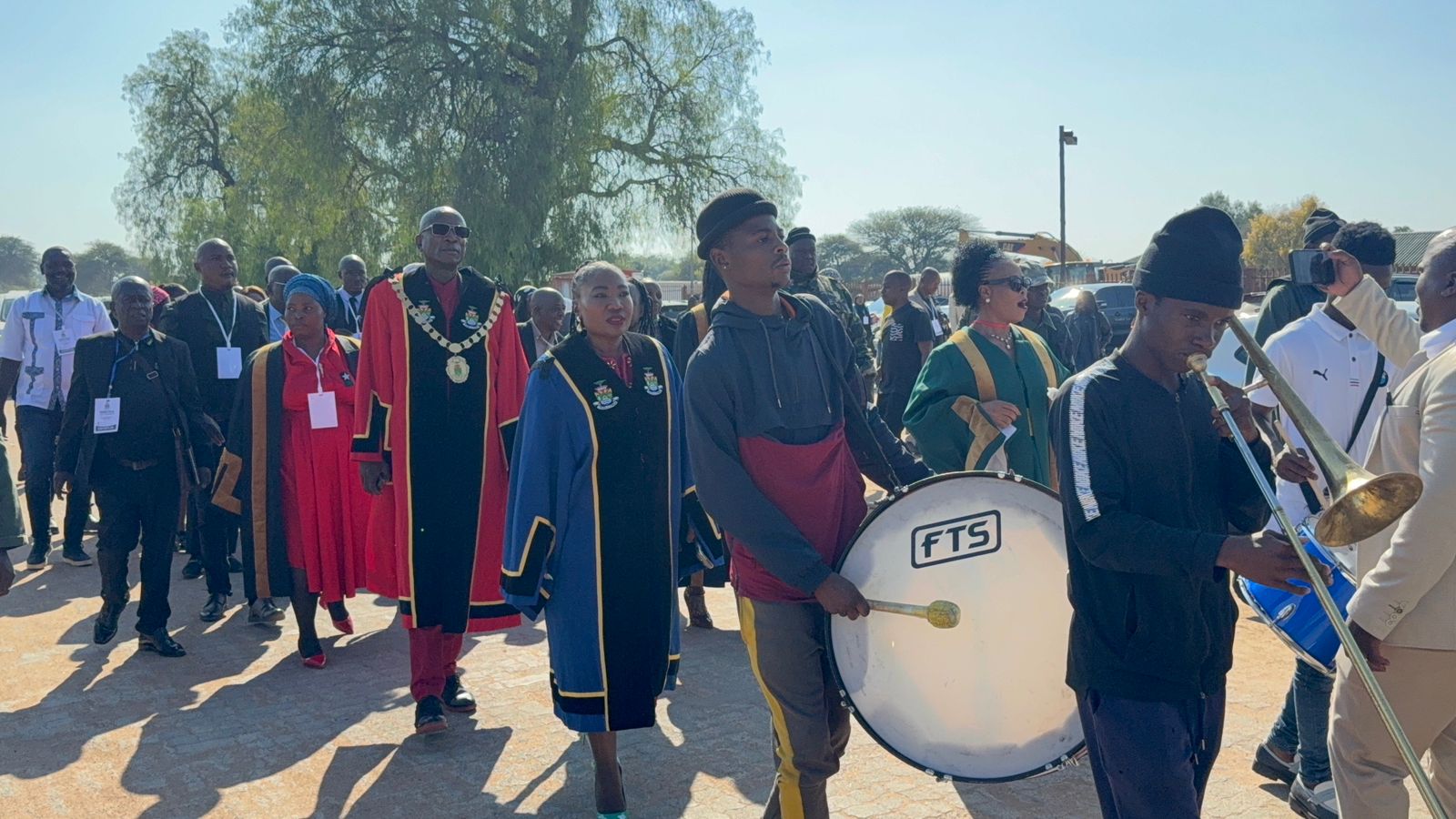
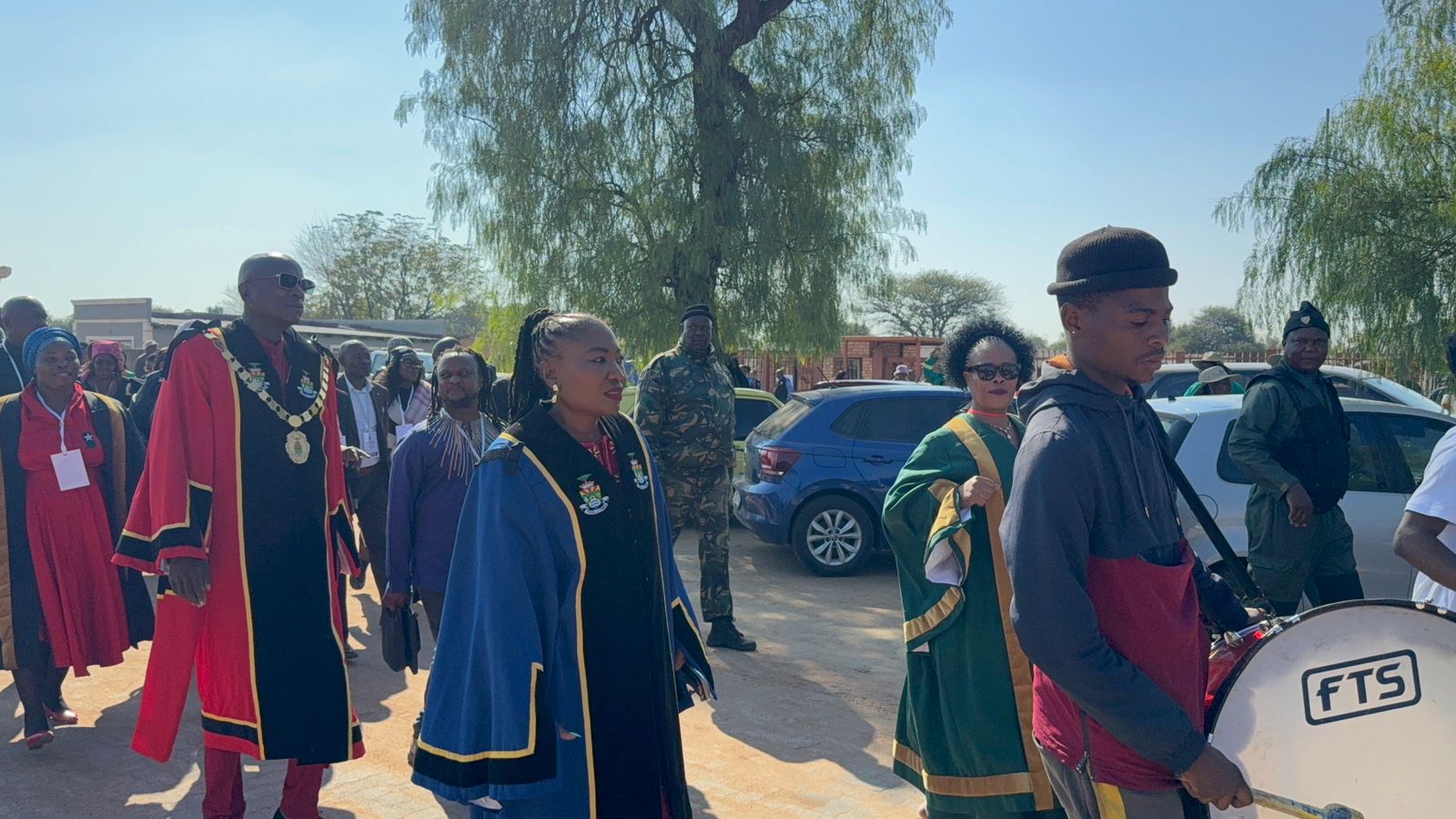
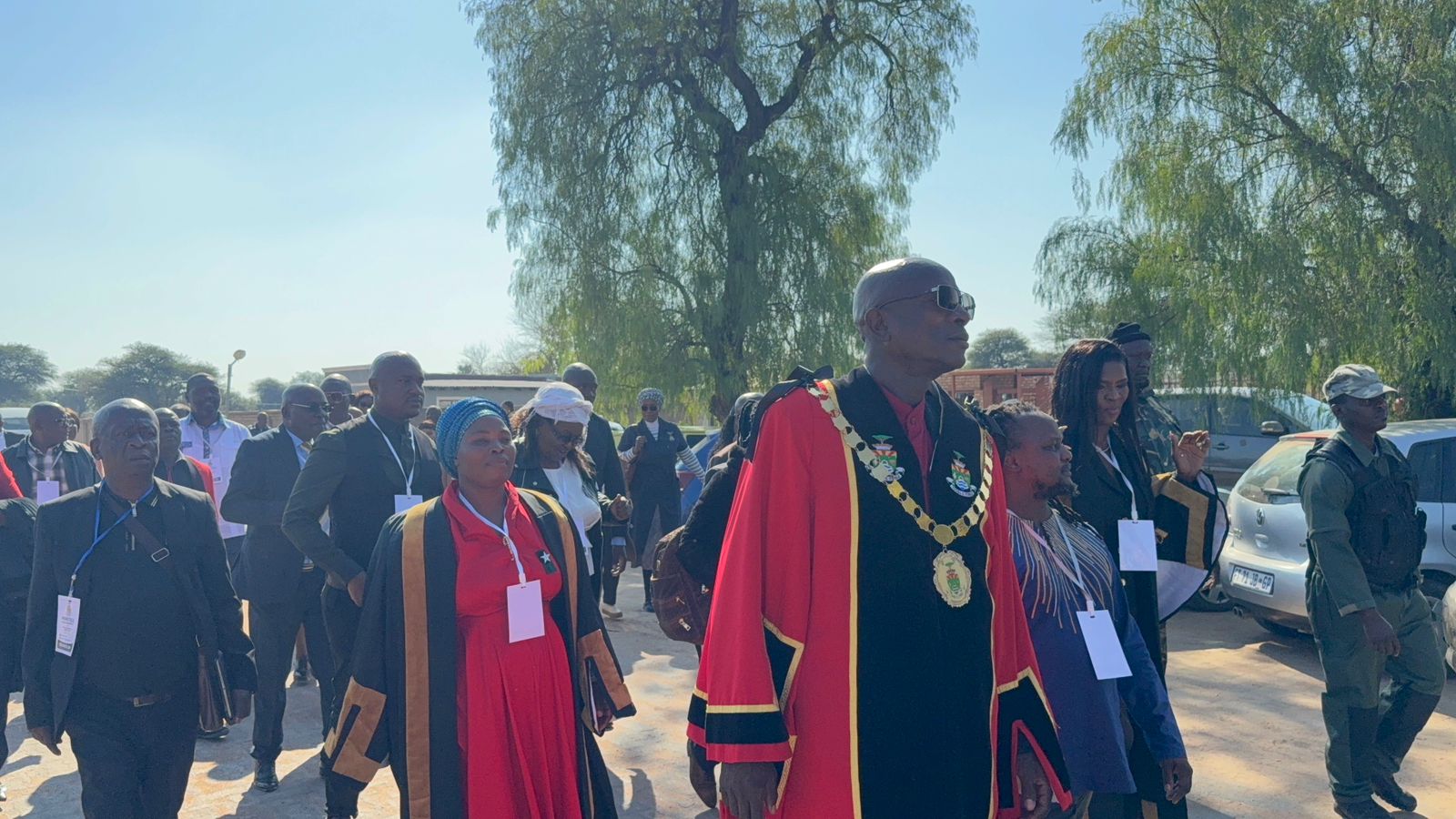
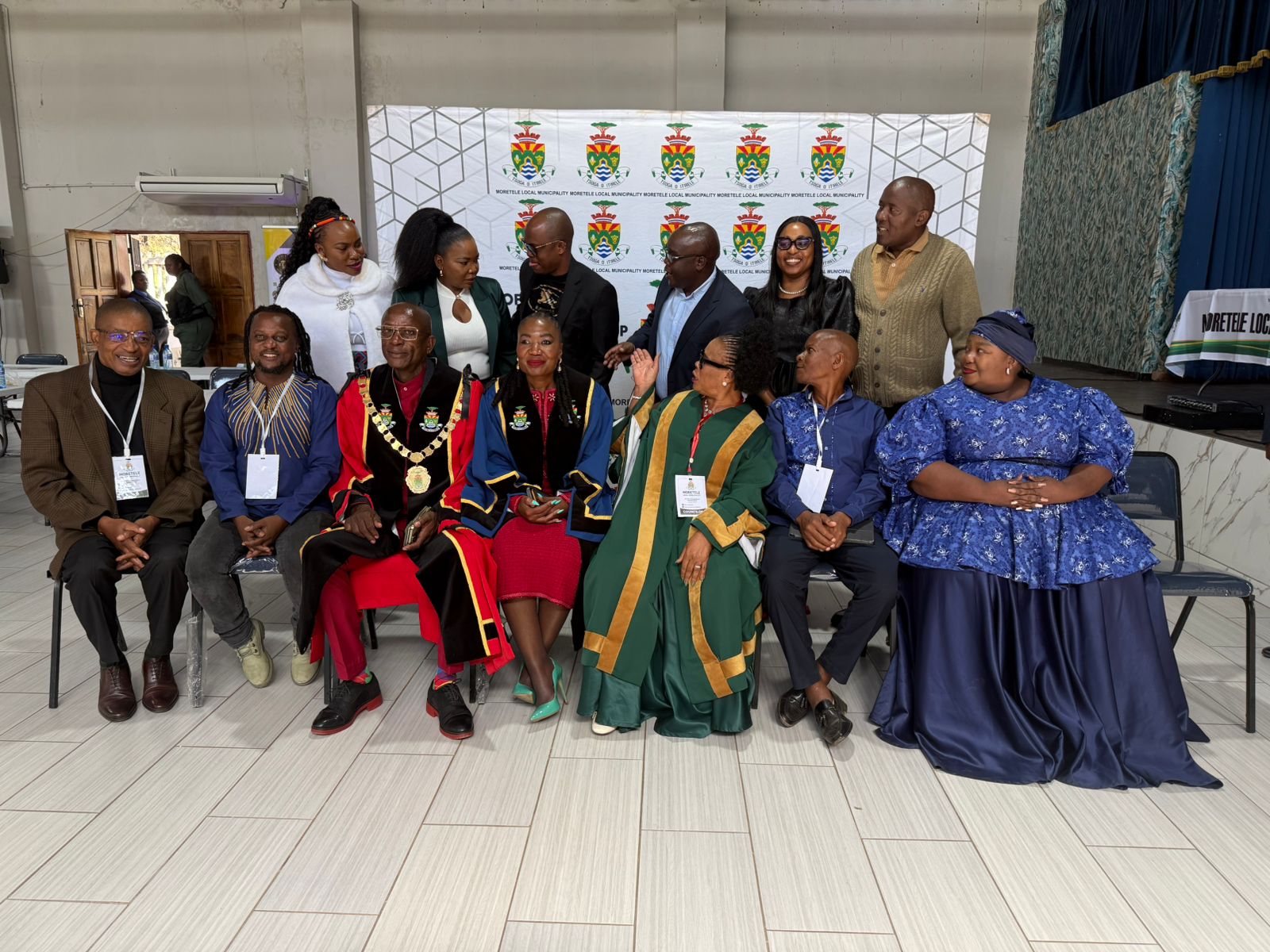
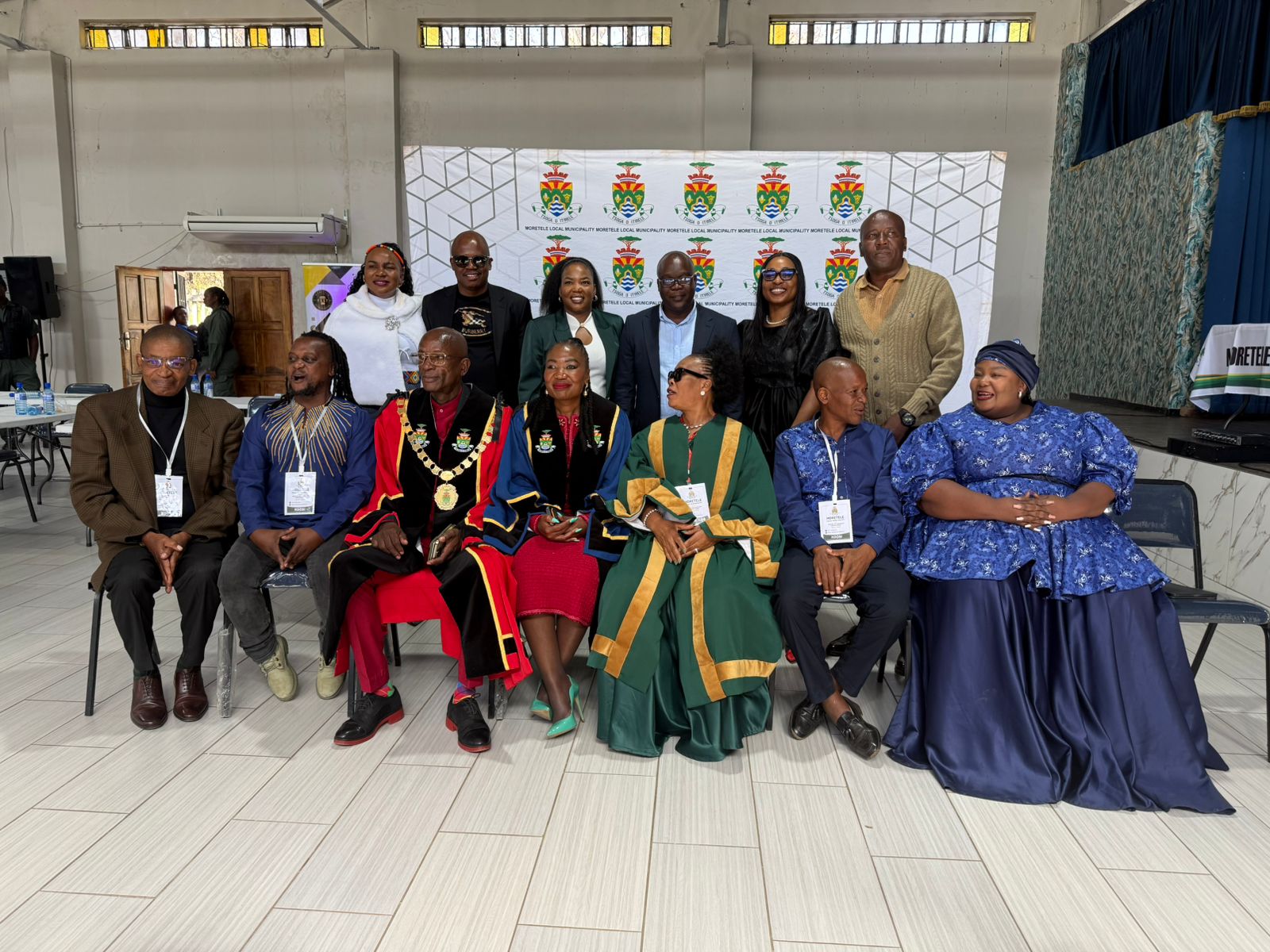
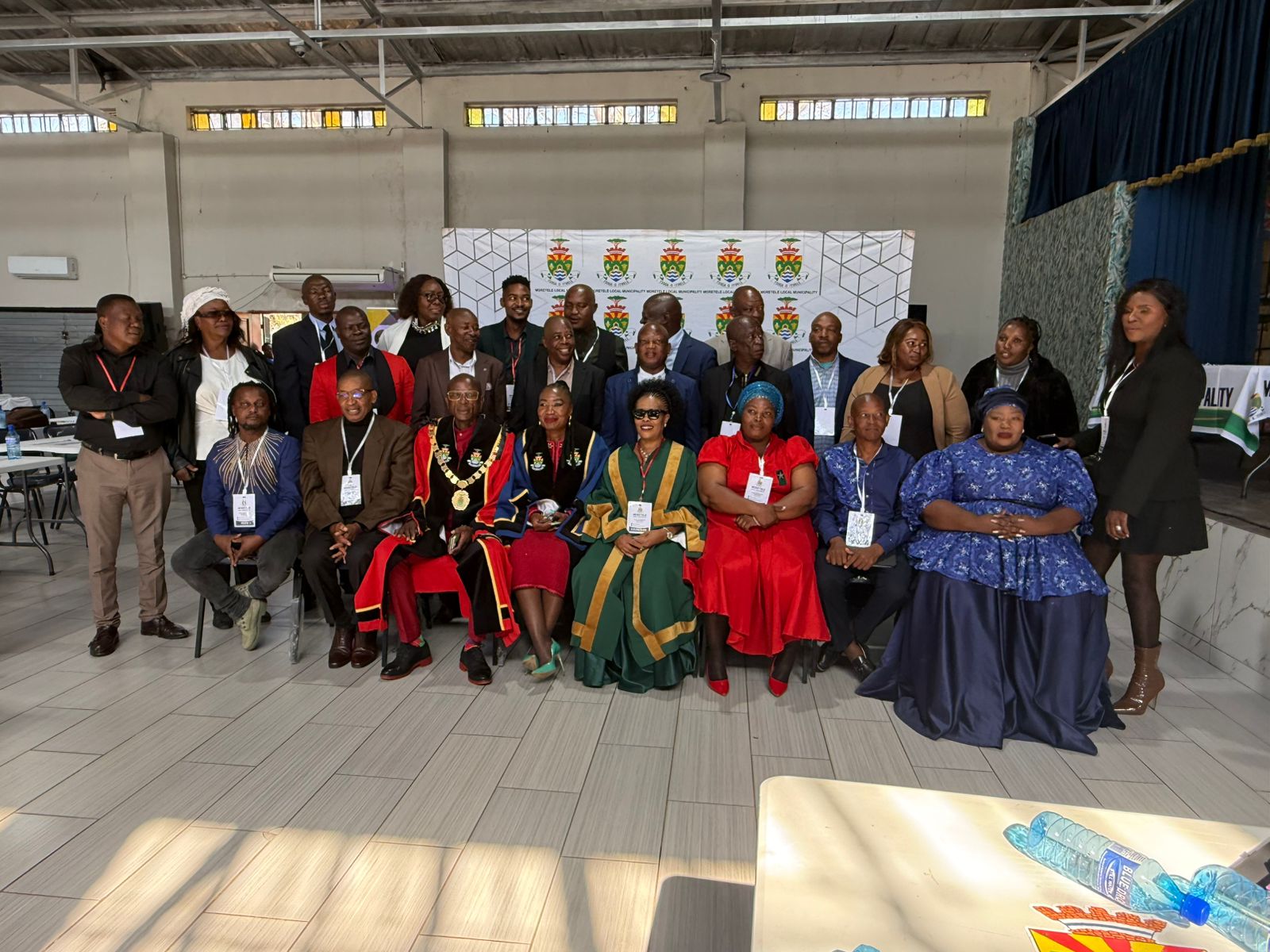
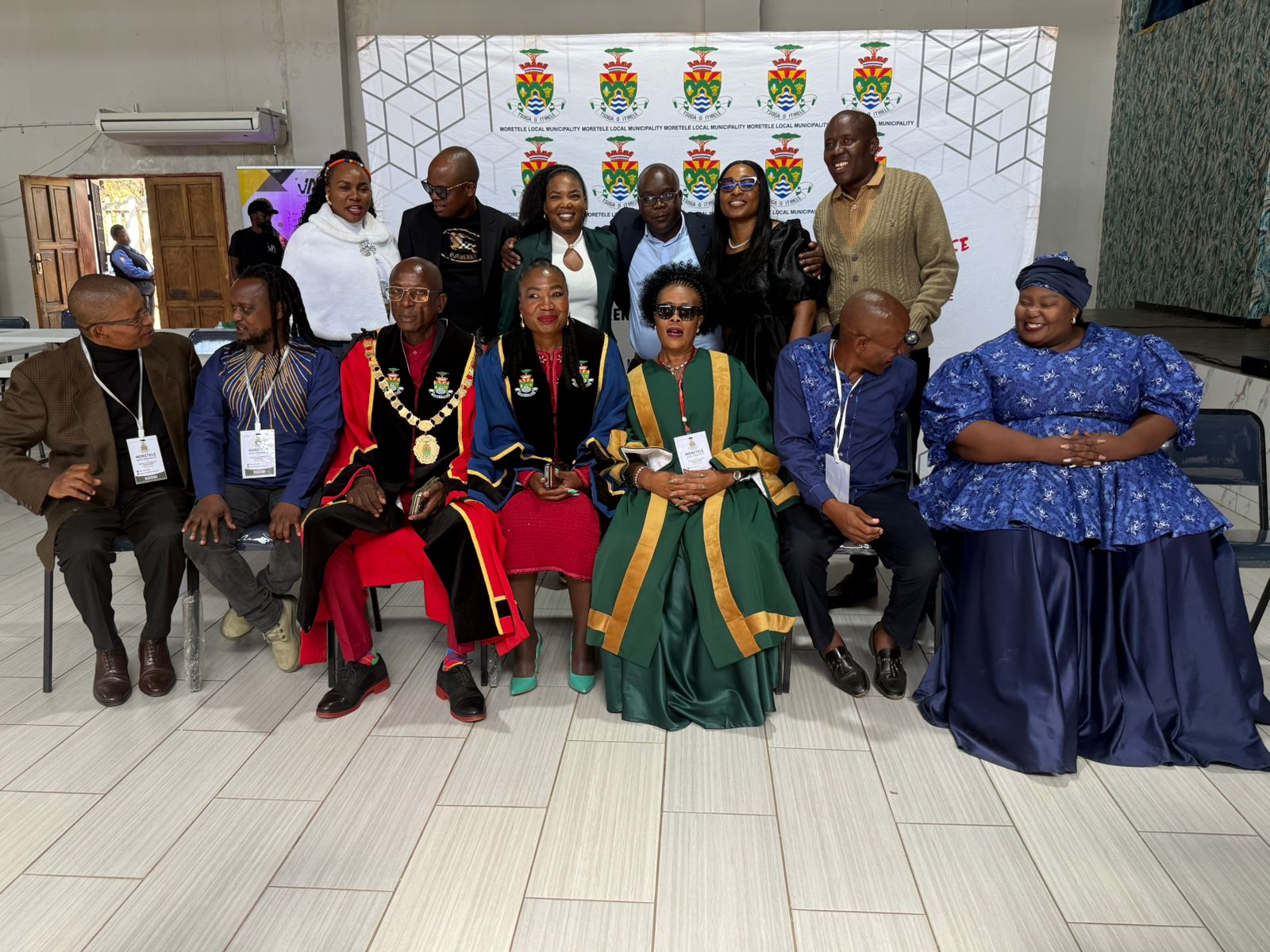
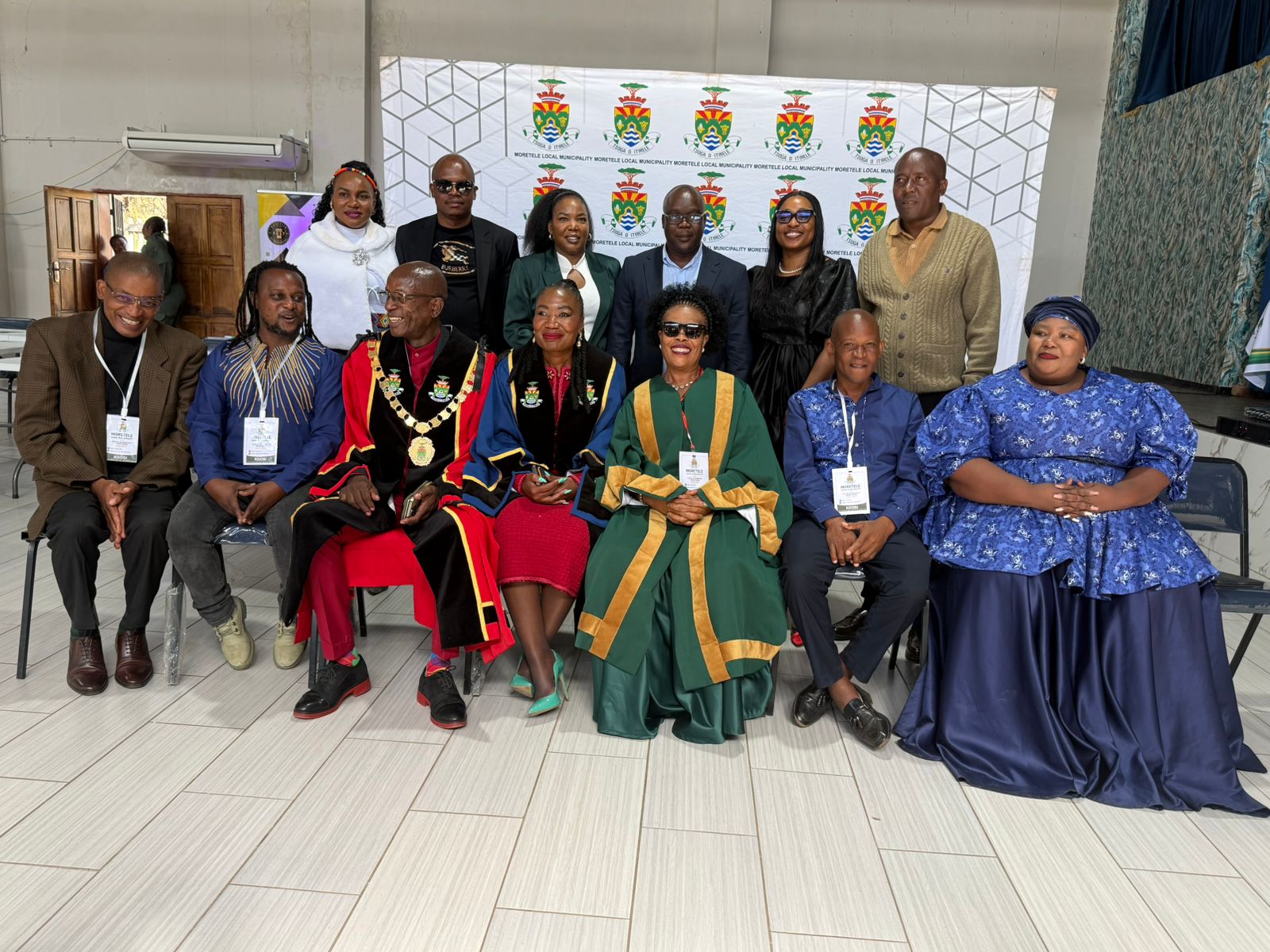
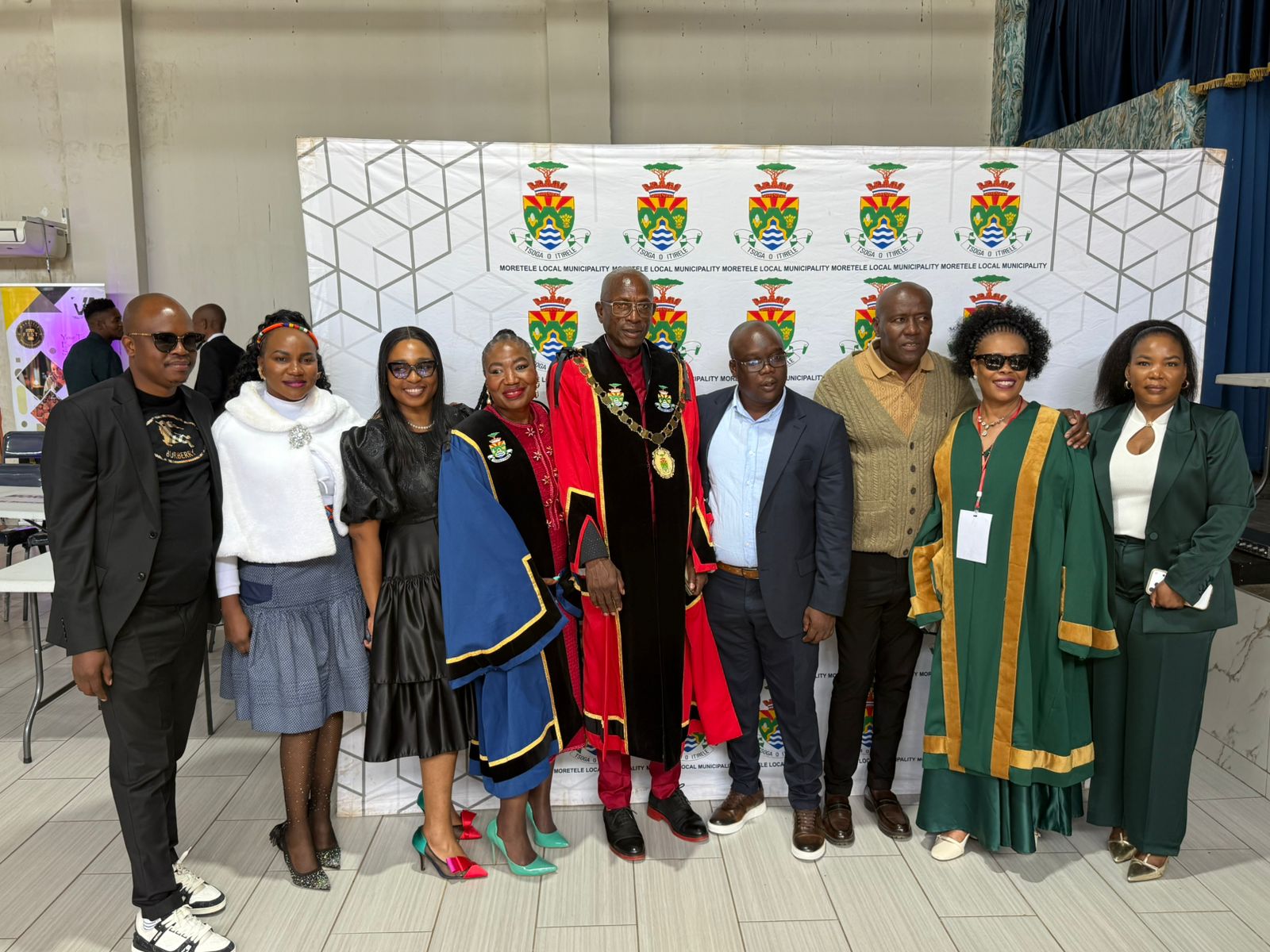
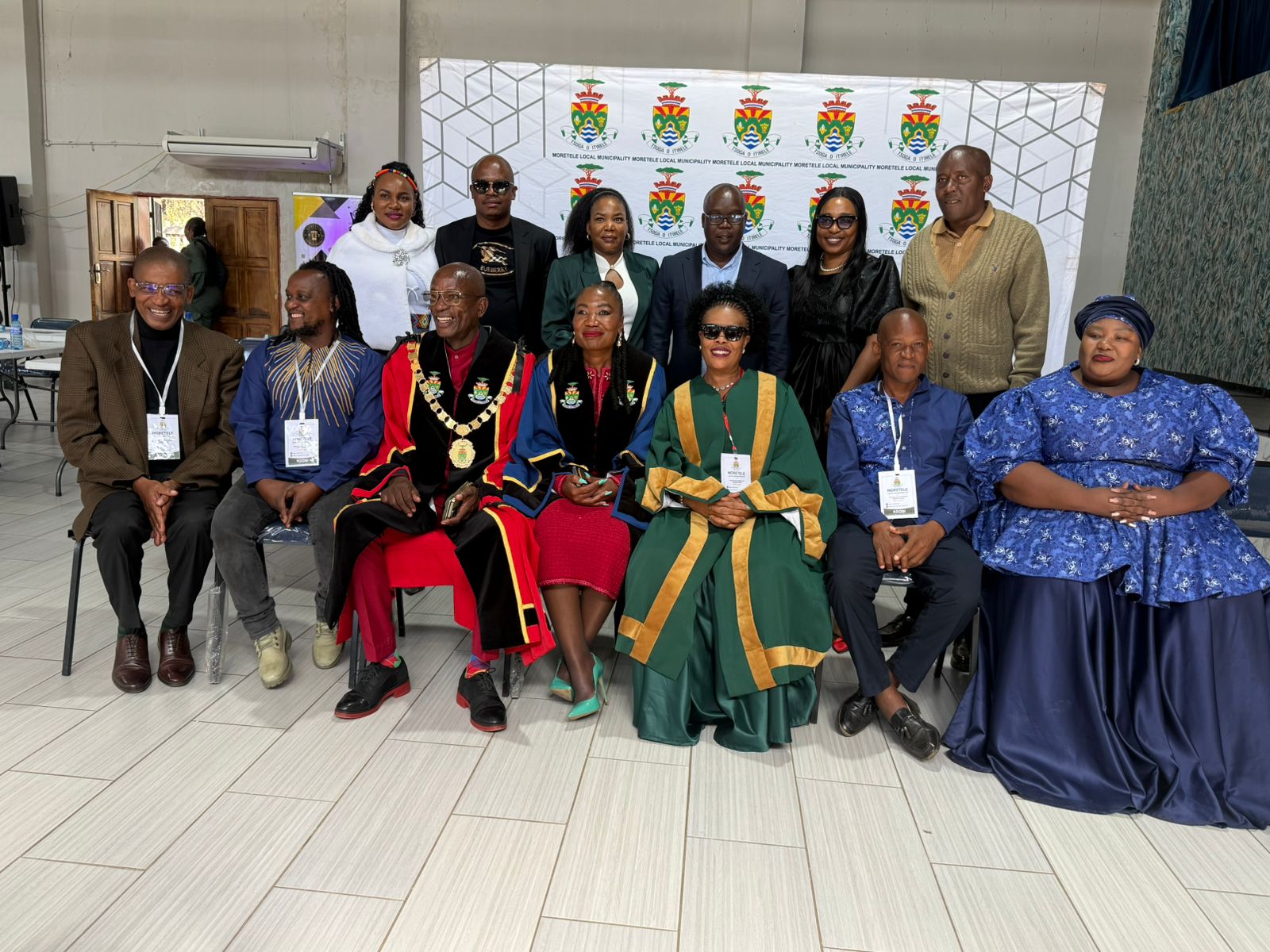
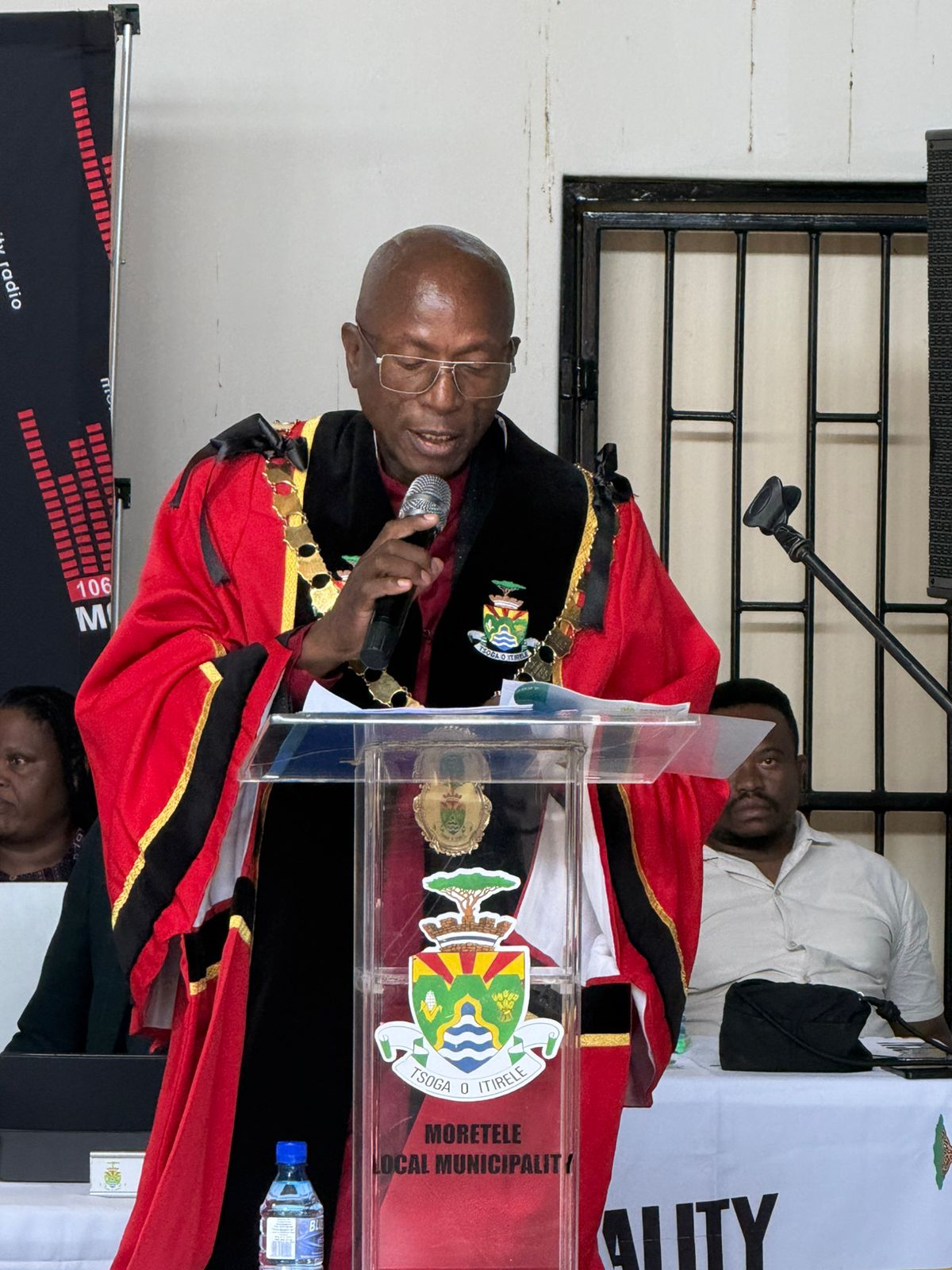
Mayor Cllr Masango George Manyike presented the budget during a special council sitting held on 26 May 2026, describing the framework as a reflection of both the municipality’s developmental priorities and the financial realities facing local government.
The total revenue budget for the 2026/2027 financial year amounts to R887.9 million, up from R859.9 million in 2025/2026, reflecting an increase of R28 million.
Operating expenditure has risen from R725.5 million to R789.4 million, an increase of R63.9 million. The municipality has projected a surplus of R98.5 million, which the mayor said is necessary to maintain a cash-backed position and ensure long-term financial sustainability.
Operational grants amount to R501.2 million, while capital grants total R161.1 million, both funded through transfers from national and provincial government departments. Revenue from property rates and service charges is projected at R163.2 million for the year.
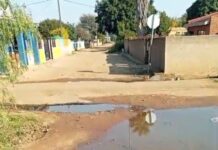
The mayor acknowledged significant infrastructure backlogs, particularly in roads, water and wastewater systems, describing them as among the most pressing concerns raised during public participation processes. He noted that the Water Services Infrastructure Grant has been reduced from R42.5 million in 2025/2026 to R8.4 million in 2026/2027, a decrease that is expected to slow the implementation of water reticulation and yard connection projects.
However, the Municipal Infrastructure Grant (MIG) allocation has increased from R139.5 million to R159.9 million. According to the mayor, these funds will be directed towards water and sanitation infrastructure, completion of existing MIG-registered projects and strategic community development initiatives. An amount of R9.3 million has been ring-fenced for the refurbishment of the Maubane Sports Complex, aimed at supporting youth development and social cohesion.
The municipality has also implemented cost-containment measures. General expenditure has decreased from R84.7 million to R83.9 million, while contracted services expenditure has been reduced from R216.3 million to R208.1 million. Within the contracted services allocation, R26.9 million is set aside for repairs and maintenance, R64.5 million for professional services and R117.5 million for other outsourced services. The depreciation budget has increased slightly from R68.3 million to R68.9 million due to additional infrastructure assets being added to the municipal asset register.
Mayor Manyike said the budget preparation was informed by an inclusive Integrated Development Plan (IDP) review process. Following the adoption of the draft IDP and draft budget, the municipality conducted public consultations across all wards, engaging communities, traditional leaders, business representatives, ward committees and sector departments. Inputs from these engagements were incorporated into the final IDP, budget and Service Delivery and Budget Implementation Plan.
Reflecting on the administration’s term since assuming office in 2021, the mayor said the municipality had faced institutional, financial and infrastructure-related pressures that affected service delivery. He said the current leadership had focused on strengthening governance processes, improving financial management and pursuing better audit outcomes.
He commended the Municipal Public Accounts Committee and the Audit Committee for their oversight roles, stating that their work has contributed to improved accountability and institutional credibility. The mayor also highlighted ongoing skills development initiatives, including training of traffic officers, artisan development programmes and IT internships, which are expected to be implemented from July 2026 to maximise impact.
In closing, Mayor Manyike said the municipality remains guided by fiscal discipline as required by the Municipal Finance Management Act, emphasising that expenditure must remain within realistically anticipated revenues. He said the responsibility now shifts to implementation and delivery, with communities expecting tangible improvements in roads, water supply, sanitation and overall municipal services.
The final budget is expected to guide the municipality’s developmental agenda for the 2026/2027 financial year while balancing service delivery demands with long-term financial sustainability.