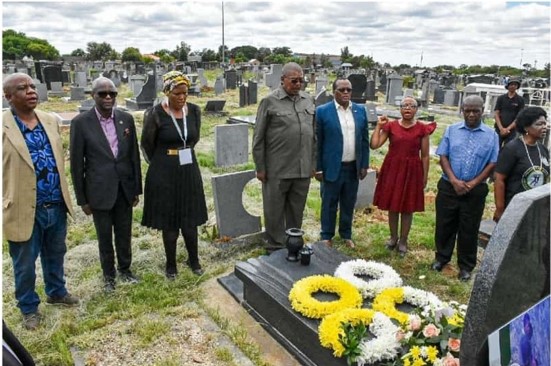
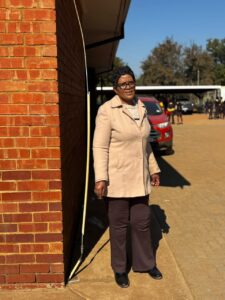
As South Africa commemorates Youth Day, Rratshepo High School teacher Happy Mmakou is not only reflecting on the 1977 student uprisings, she is remembering her brother and the life her family lost.
For Ms Mmakou, June 16 carries a deeply personal meaning. What stays with her most is the day her brother left home and never truly returned. “What I remember most is the day my brother left,” she says quietly.
Her brother, Monageng Patrick Xoliso Mmakou, was a learner at Kgetsiyatsie Secondary School in Temba during the unrest that followed the 1976 Soweto Uprising. As protests against Bantu Education spread to Hammanskraal and surrounding areas, many young people became politically aware and determined to fight for change.
Amid that turbulence, Monageng went into exile. He was only 15 years old.
“We were never told where he was going. One day he was there, and then he was gone,” Ms Mmakou recalls.
She describes him as reserved and thoughtful, someone whose political awareness was not always visible to others. In private conversations, however, he would speak about the inequality he saw around him.
“He would point to the big houses in Pretoria and say one day he would live there, where white people lived. He believed things would change,” she says.
For Ms Mmakou, those words were not about material things, but about dignity and equal opportunity.
Years later, the family received devastating news. In June 1980, Monageng died in an explosion in Manzini, Eswatini. He was just 18 years old. He was buried in Temba after a funeral service at St John’s Anglican Church.
Growing up without her brother left a void that never fully healed.
“There are milestones he never saw. Family moments he never shared. We grew up without him,” she says.
As the country marks Youth Day, Ms Mmakou hopes young people understand the human cost behind their freedom and education.
“Blood was shed for them to be here. They must take their education seriously.”