Temba Black History Series:
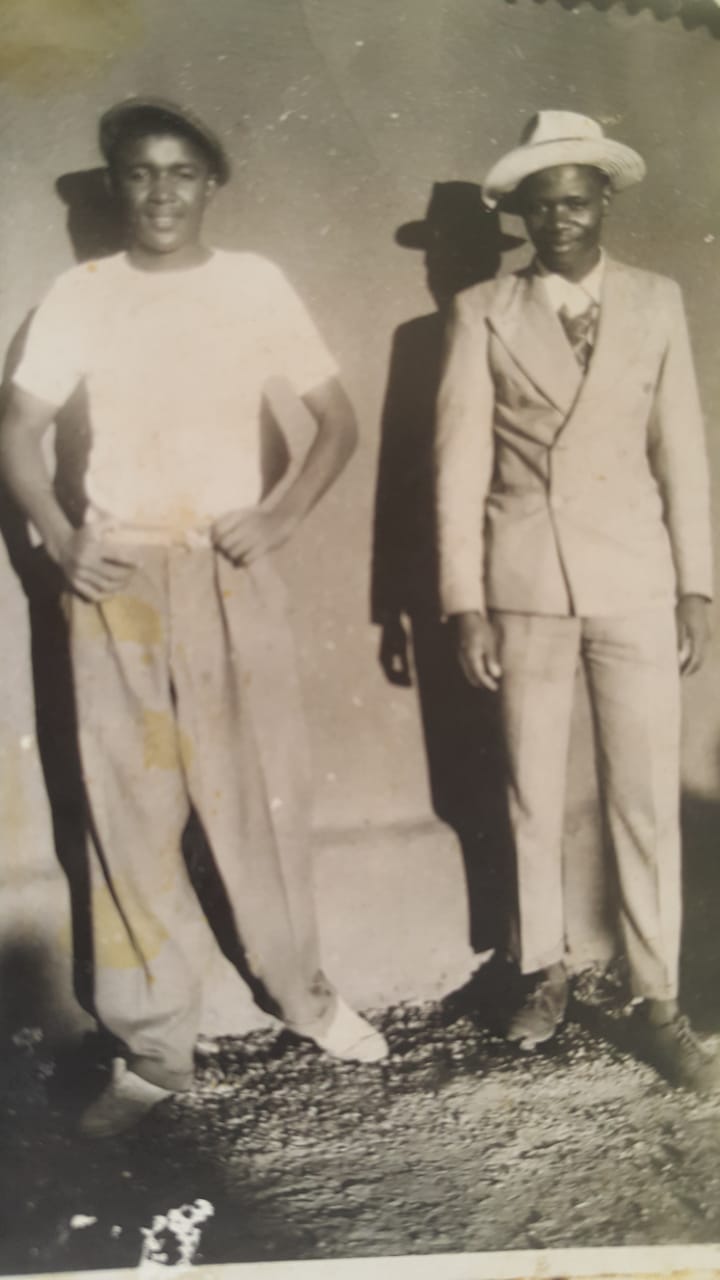
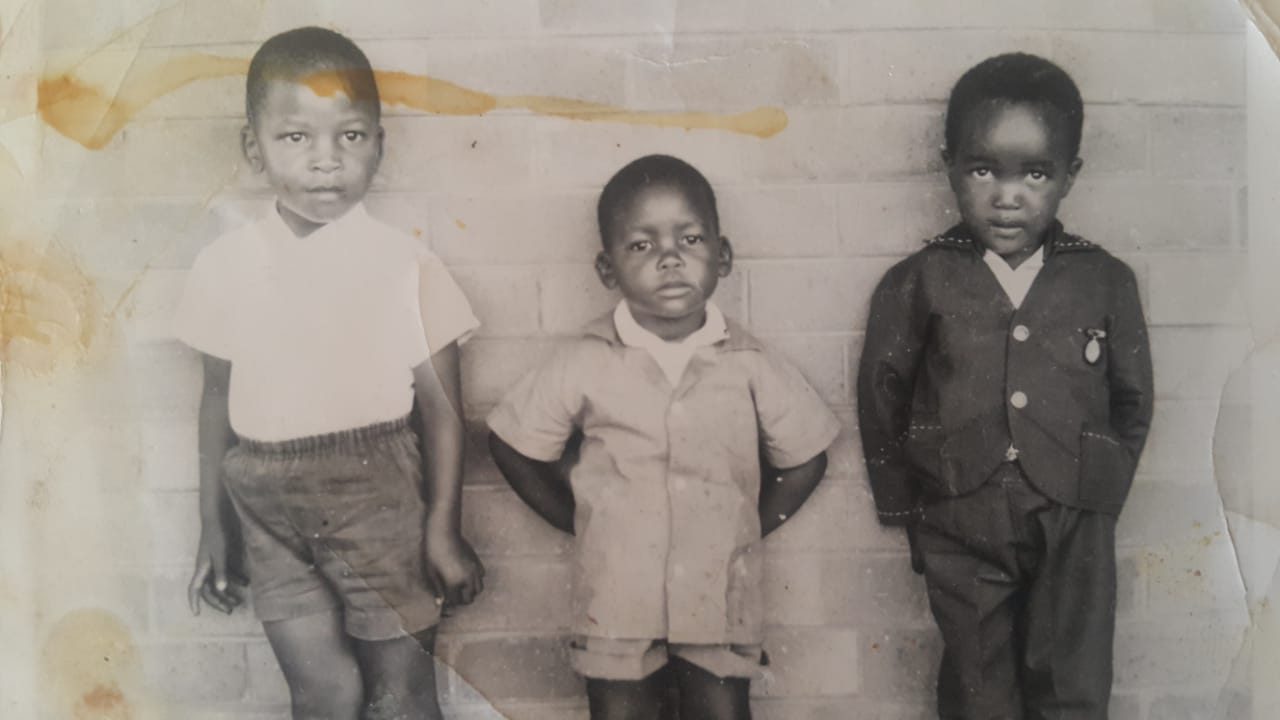
Up to this day I still miss the Willow trees in the nearby tranquil little stream in Daggafontein Mines in Springs which used to be our playground with my childhood friends David Kotsi and Malala Ledwaba (see picture below).
Until one early morning in 1970 when the peace of our neighborhood was disrupted by the engine sound of the Biddulphs International removals vans to relocate our family from Springs our new home at the Bantu Investment Corporation (BIC) Business Centre (now Tshwane North TVET College Temba Campus).
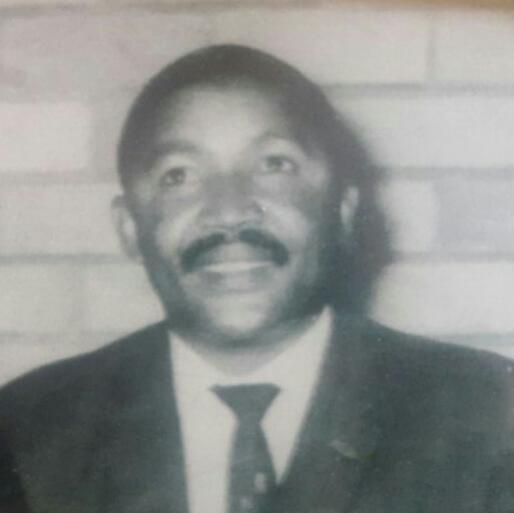
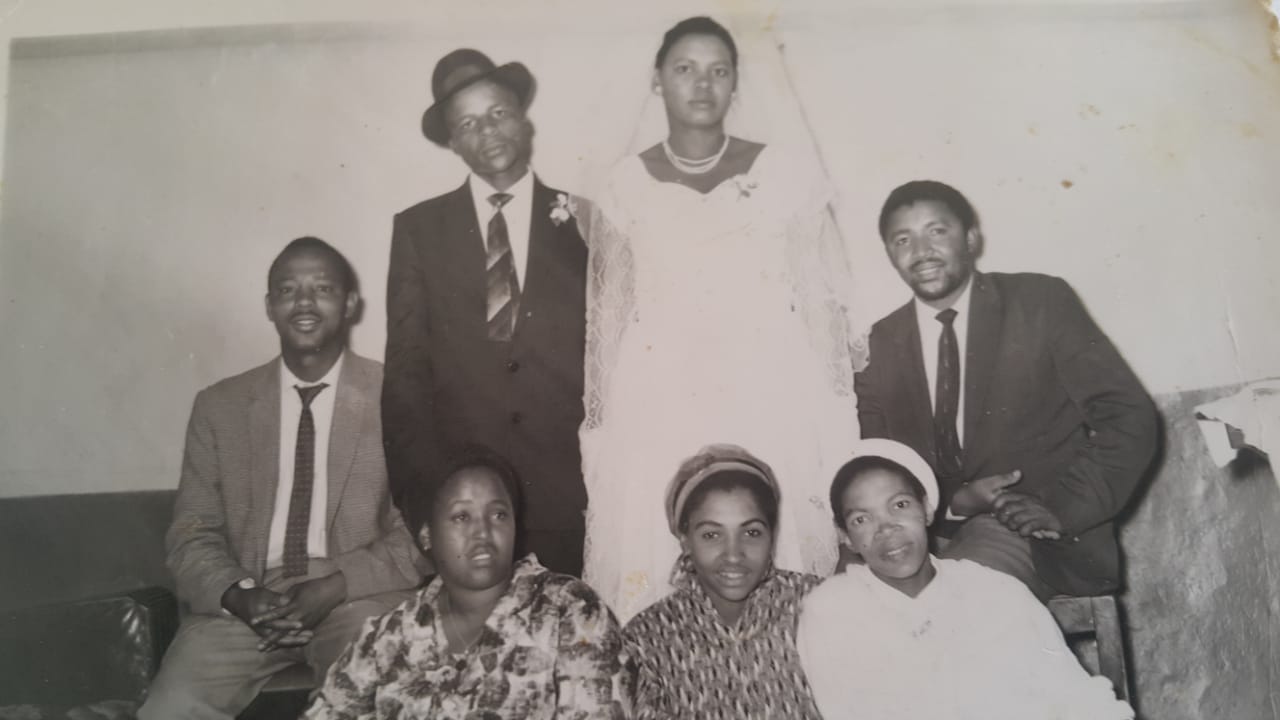
It was this move to Temba in early 1970 that marked the first footprints of our family in Temba when my late father William Sephiri Sebokedi (3 March 1929 to 15 December 1990) was offered a new job as the Manager of the BIC Business Centre in Temba. The BIC Business Centre played a catalytic and leading role in the development of Babelegi Industrial Park as well as the financing of emerging entrepreneurs in Temba and the broader Hammanskraal area.
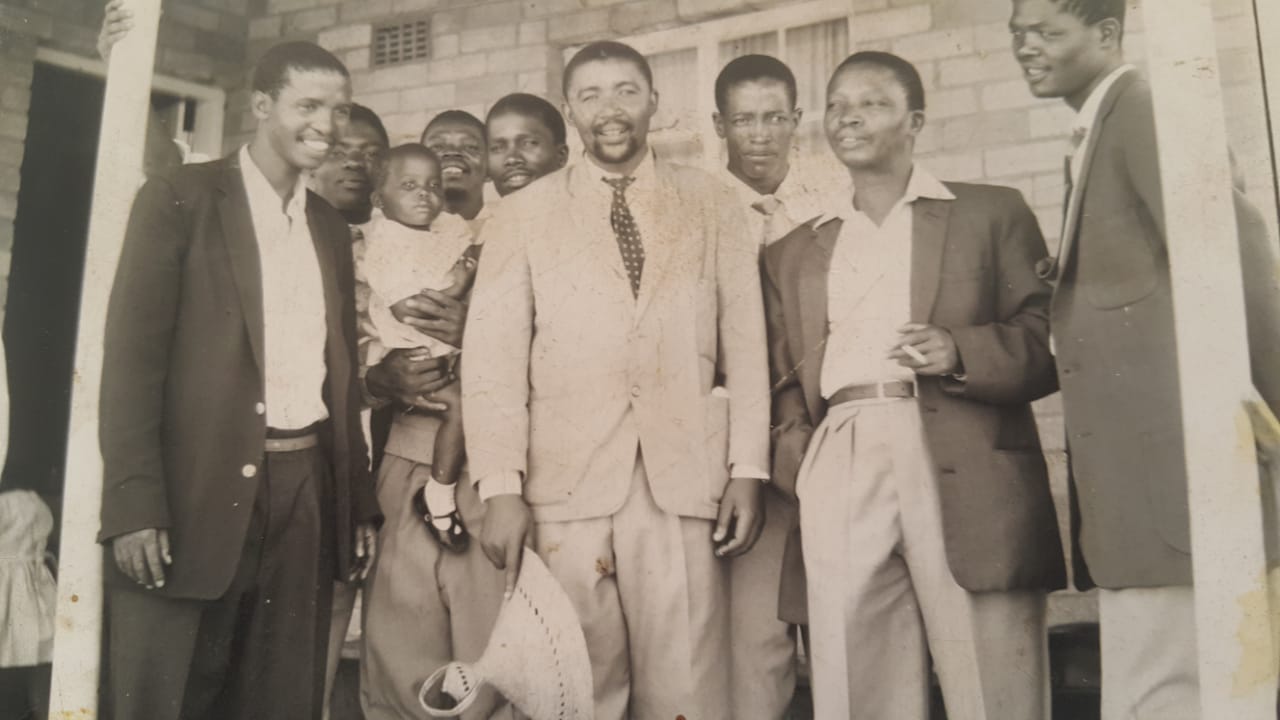
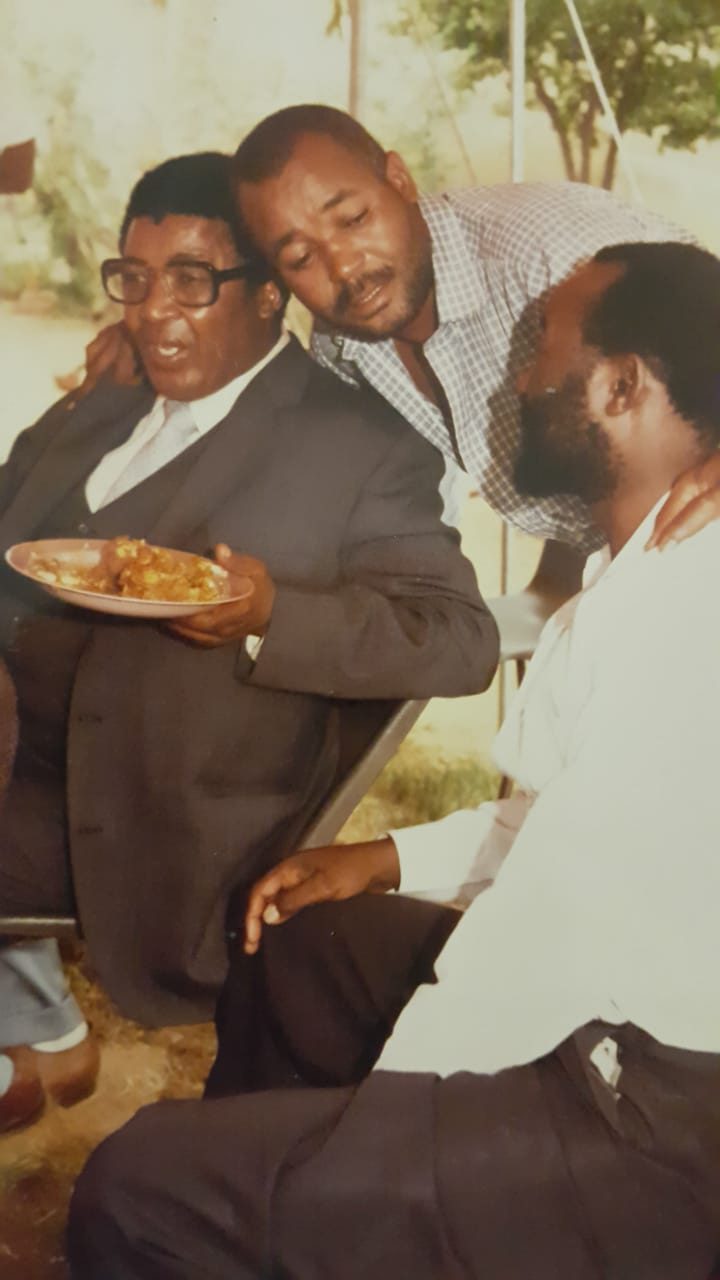
Had he lived up to his 90th birthday on 3 March 2019, my father would have relived the fond memories of the contributions he had made in service of not only his family, but of the community of Temba in all its various facets: through business, education, welfare and faith fraternity. Born on 3 March 1929 to her mother Majang Sebokedi (circa 1900 to 1946) and his father prince William Makgetla Phethlu (died 1976) of the Barolong boo Ratshidi, he grew up from the ravages of poverty to a self-made business and community leader that he was in his later years. By birth he is the direct lineage of the founder of the Barolong Chief Morolong who reigned in the late 14th century or early 15th century.
Had he been blessed with longevity of life, he would have lived to see the birth of the latest addition to his family in the twins Leano Laone Sebokedi (born 4 January 2019) and Tlhomamo Ramaoka (born 4 February 2019), adding to a family legacy of sixty (60) made up of him and our late mother Grace Sebokedi (1933-2008), their six (6) children, twenty two (22) grandchildren and thirty (30) great grandchildren. And many other “adopted” children of strangers, family and relatives he had raised.
Denied of an opportunity to go to university due to lack of funds after completing his secondary education at Kilnerton Missionary School in Pretoria, he was passionate about education and worked to ensure that all his children, grandchildren and many other kids in the community, appreciated and had access to educational opportunities in life. He served as an SGB member for many schools in Temba including Ratshepo High School and was the founding member and funder of the Phelang School for the Disabled at the Phaphama Hall in Temba.
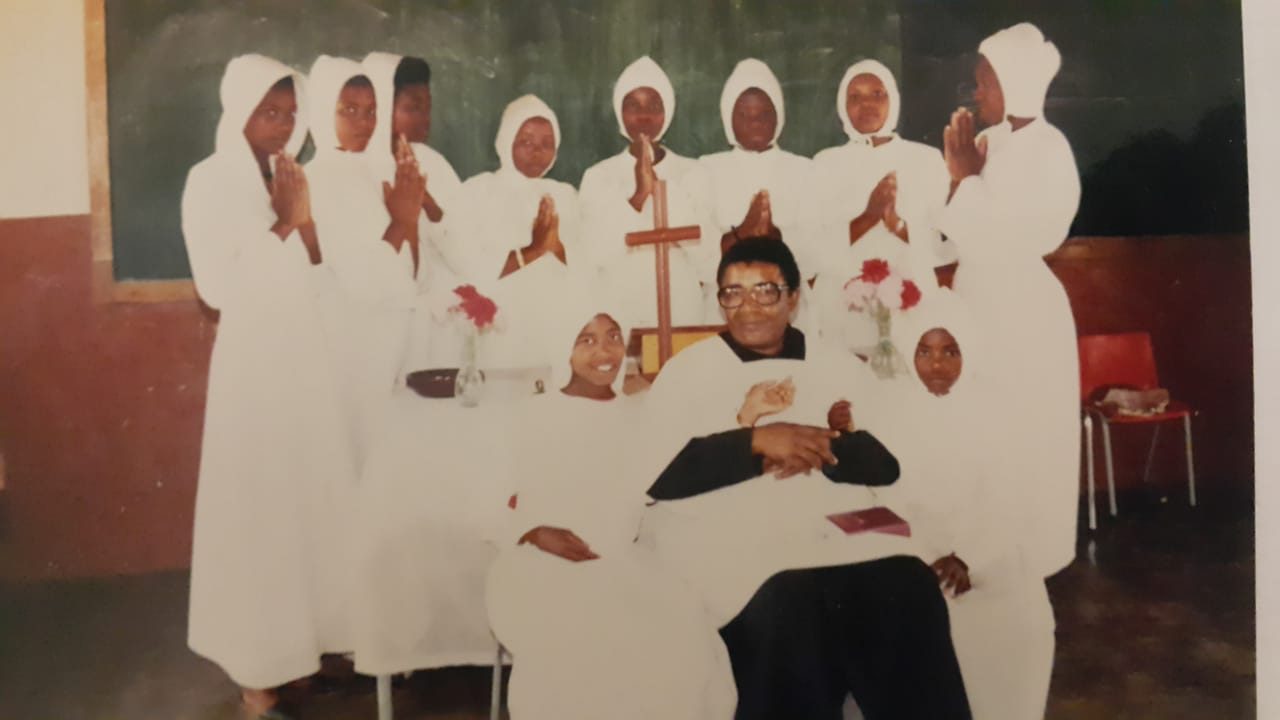
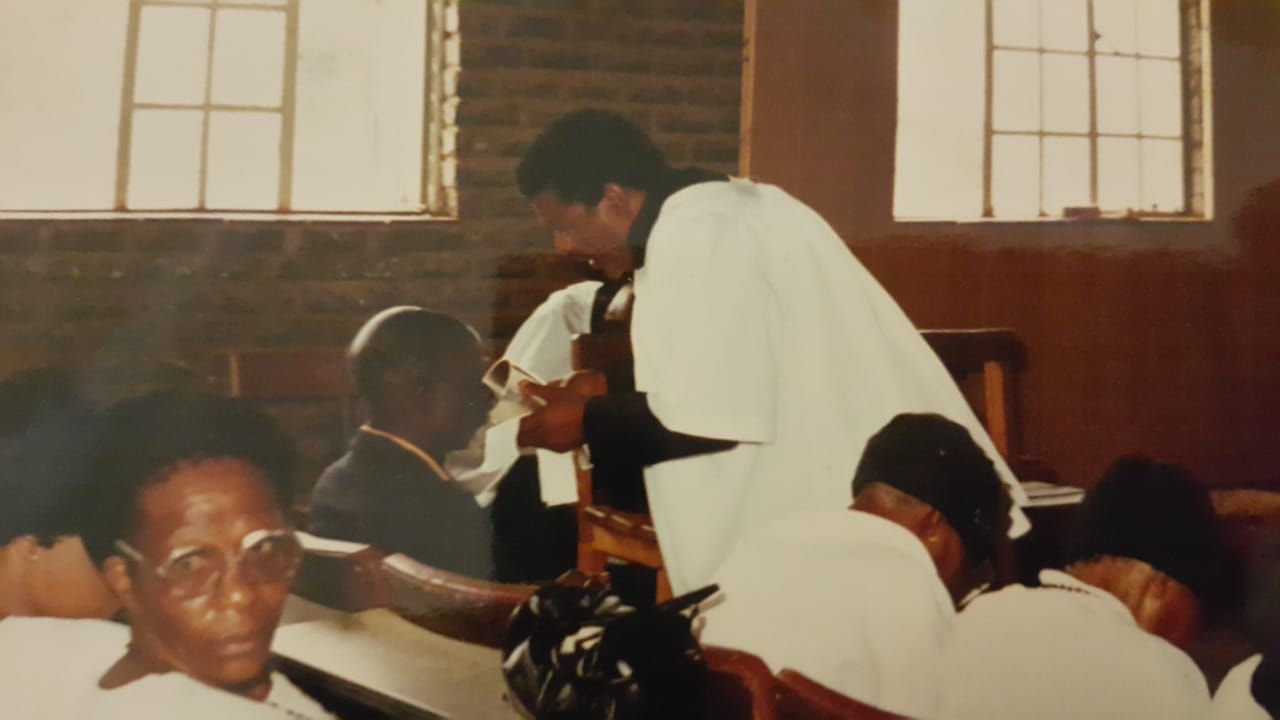
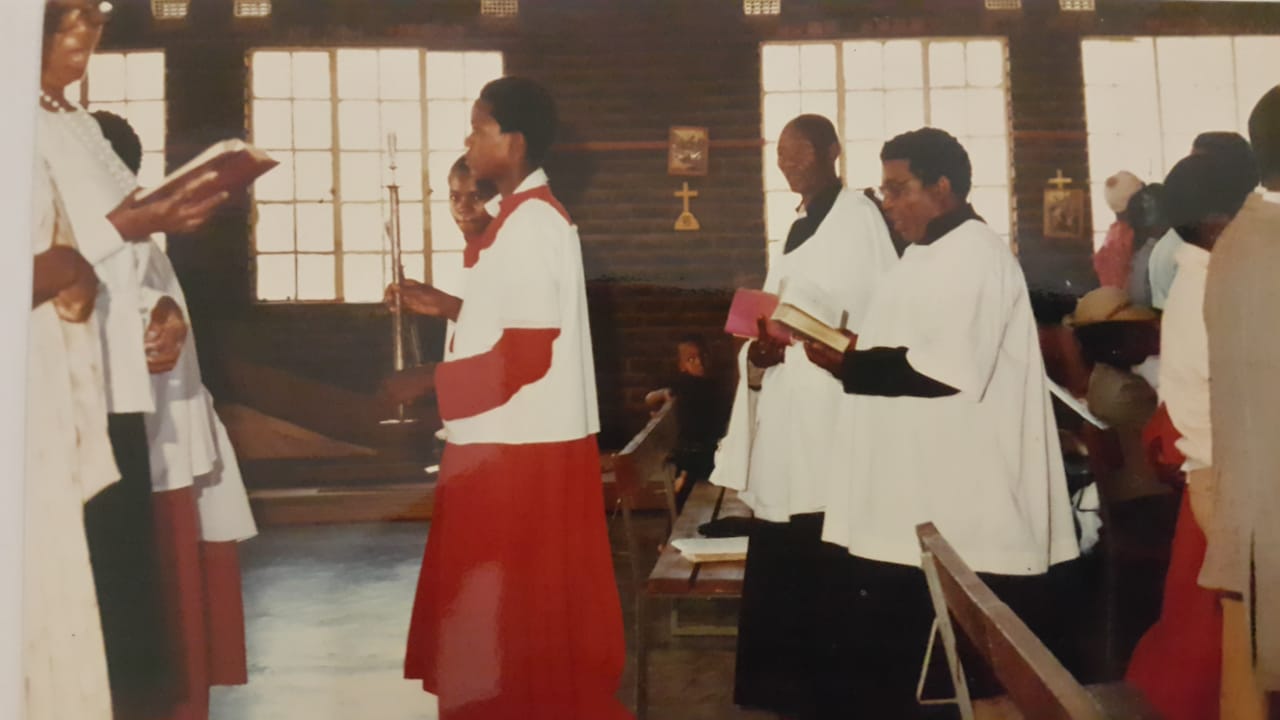
Many in the community would remember “Bra or Oom Willy” or simply “Ntate Sebokedi” as the business owner of Babelegi Restaurant in the Babelegi Industrial Park from 1973 to the time of his death in 15 December 1990 at the prime age of 61 years, but his passion was his service as the man of the cloth. The first thing he looked for when we arrived in Temba in 1970, was the St John Anglican Church which was then after Rev Manaswe. Until his untimely death he served the church as an Arch-Deacon and contributed selflessly to the life of the church, including the part-funding of the modern buildings St John Anglican Church in Temba.
One could almost imagine the moment of his “birth in the manger” on that uneventful early Autumn day on 3 March 1929, in the company of the elderly midwives who cut his umbilical cord. But it was a significant day that precipitated the genesis of his descendants.
It was the moment of my birth and our birth, a birth whose occurrence gave life to a bloodline and a generation of who we are as a family: from his first son Mokgweetsi Hampton “Jimmy” Sebokedi (1948 to 2012) to the twins Leano Laone (4 January 2019) and Thlomamo (4 February 2019). To the latest ones expected this year and in the future from his grand and great-grandchildren. More than anything, he fulfilled his historical mission to cut the circle of inter-generational cycle of ignorance and poverty for his family and placed all of us, in a new trajectory of educational empowerment and socio-economic prosperity.
His untimely death left a huge void in the family and community. It was one that Christmas night in December 1993 whilst I was sitting with my late mother in the garage where he had collapsed on that fateful Friday evening, that my late mother had the courage to recount the last details of his last moments and conversations. “Bana ba tsene sekolo”, was his death wish. “Let the children value education, there`s no greater inheritance than education and knowledge” was his living mantra.
So on 28 February 2019 when I watched my 23-year-old daughter Mbali Sebokedi receiving the Best Literary Essay Award for her Honors Degree (completed in 2018) at the University of Pretoria, I remember the prophetic wise words of my father on his death bed.
And that almost 30 years (29 to be more exact), and 90 years after his death: education has remained one of the values my family passes on from one generation to the other. This “education” gene has been passed on from generation to generation through our great-great grandfathers: Dr James Moroka and Dr Modiri Molema (my father`s great-uncles), from whose genetic well, their descendants seem to draw the insatiable thirst for knowledge and wisdom.
“Ke namane tsa tholo, Barolong, Dijang mogope di a lala. Ba ga mogogoro loso, Ba ga gogomela. Ba ga Morara-a-Noto, Barolong”. Happy Birthday Dad!