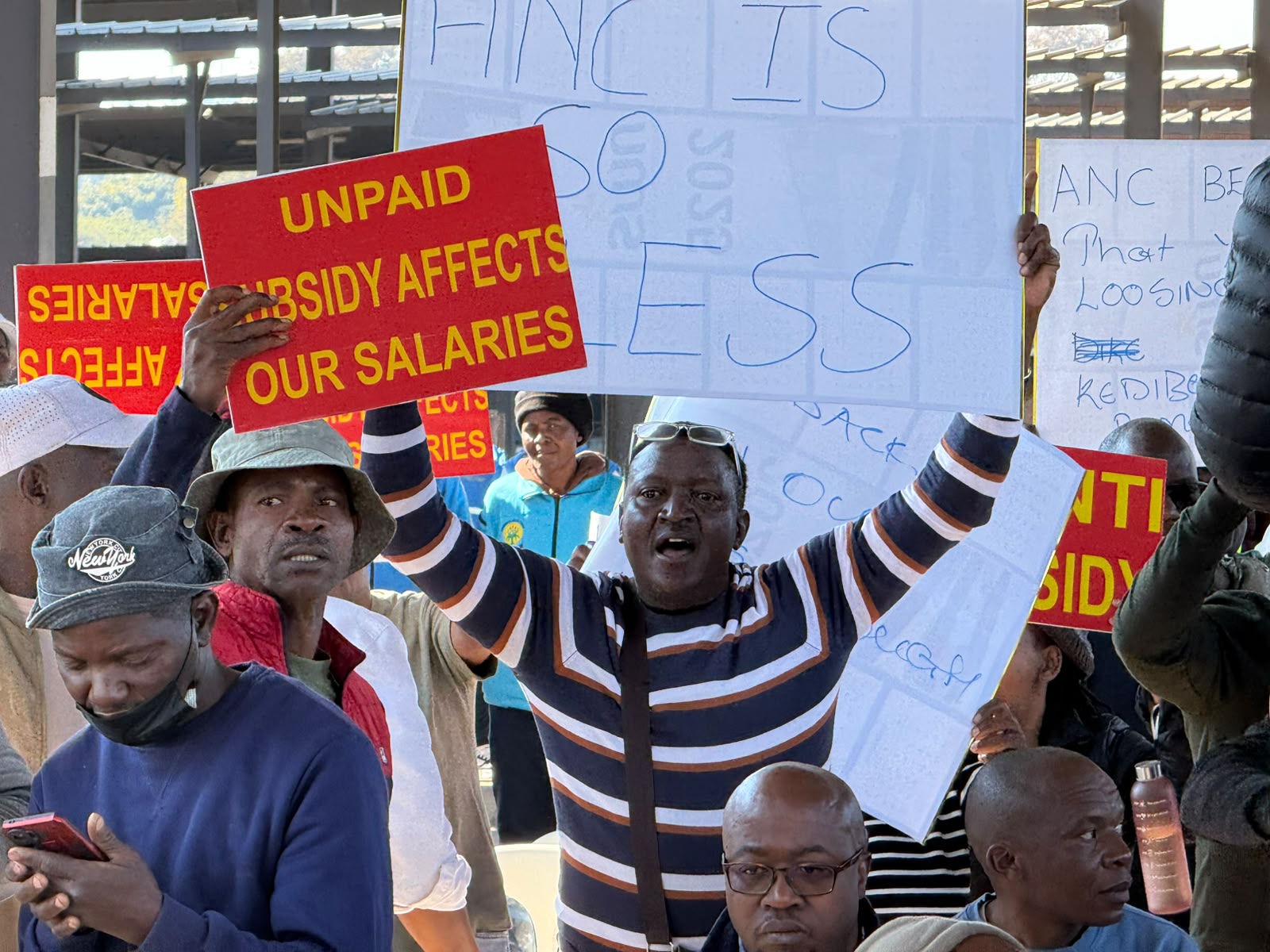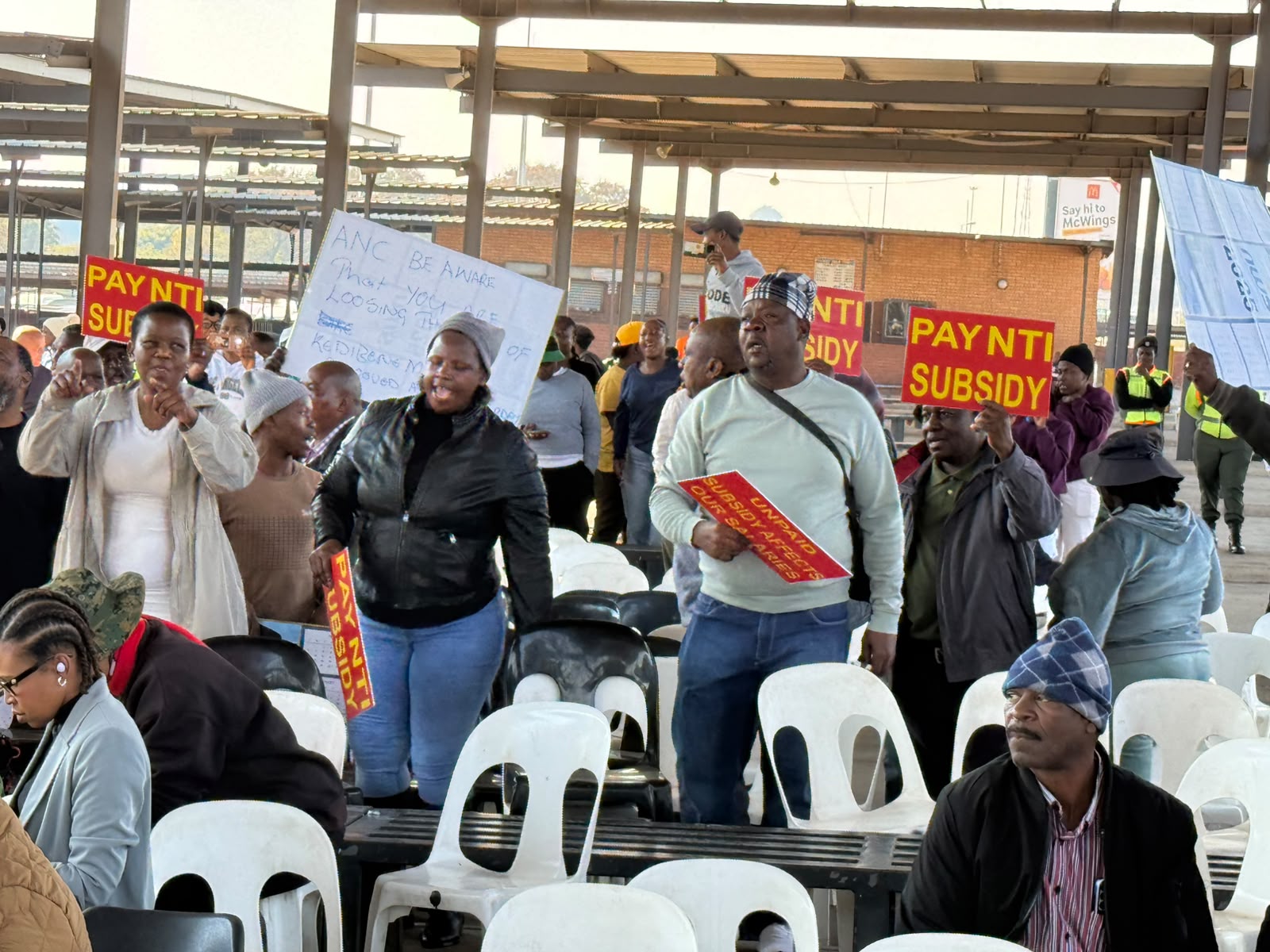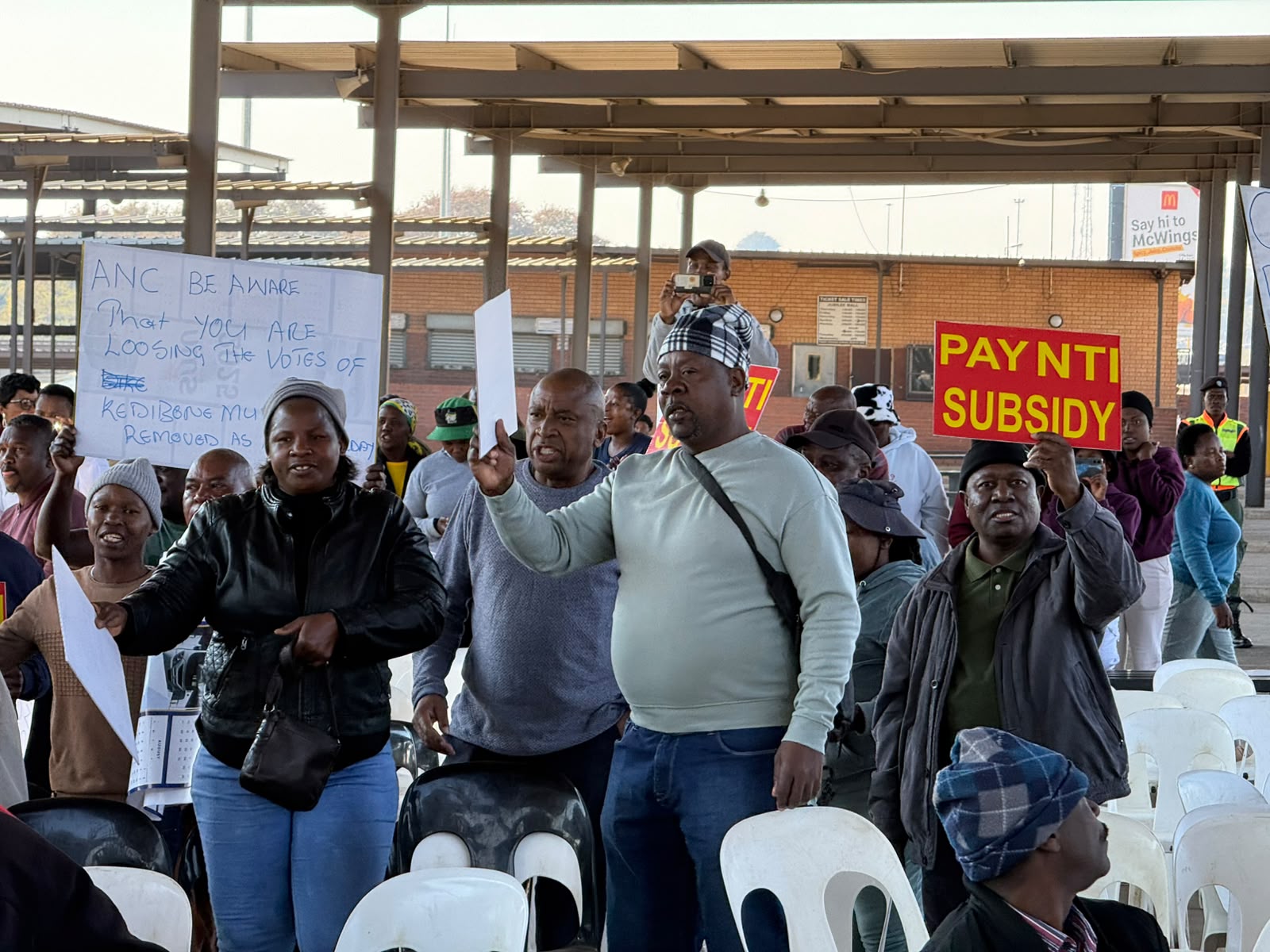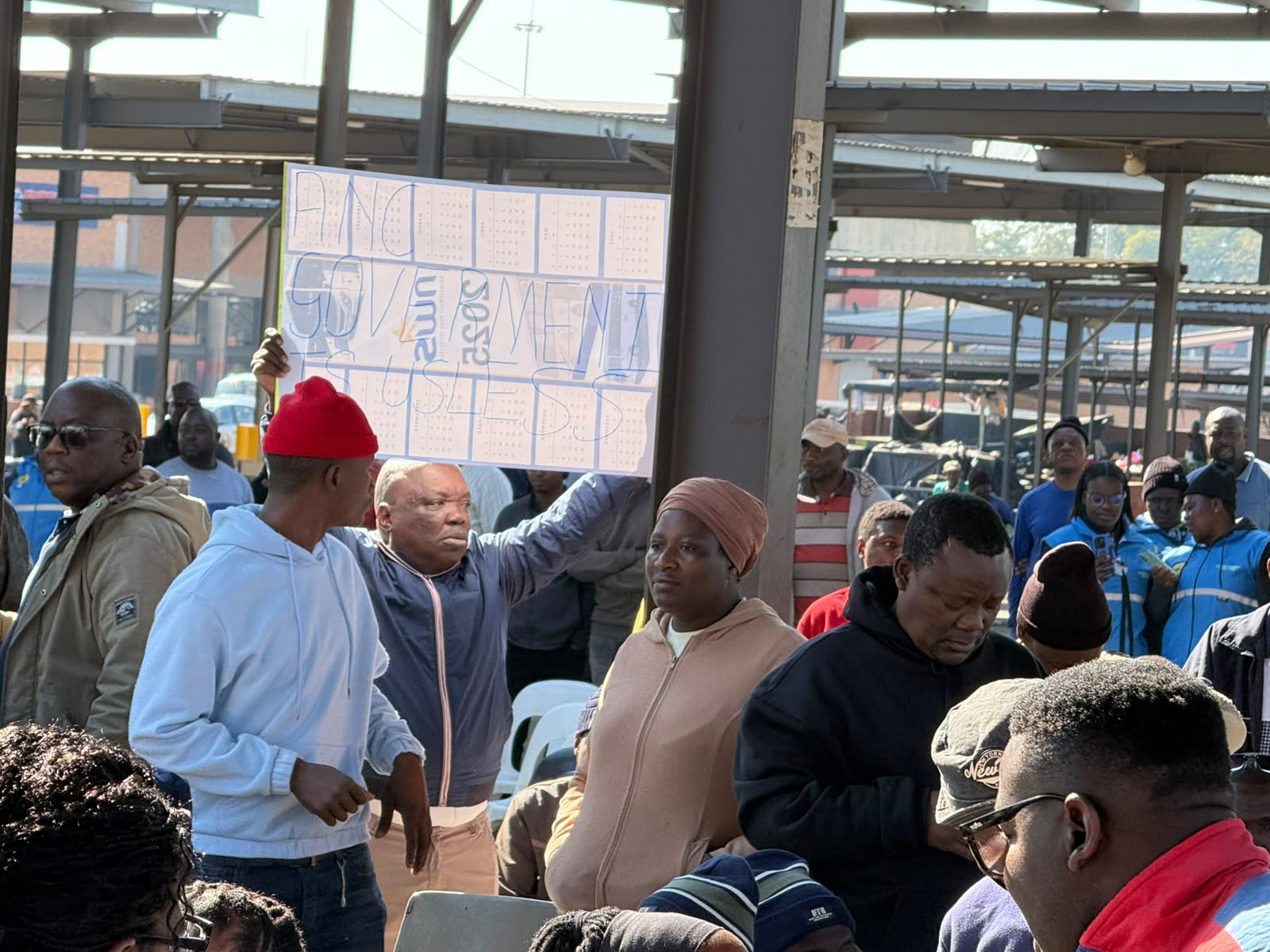
Nearly 20 years after Hammanskraal was incorporated into Gauteng, residents remain caught in an intergovernmental dispute that has left buses off the road, workers unpaid, and commuters digging deeper into their pockets.
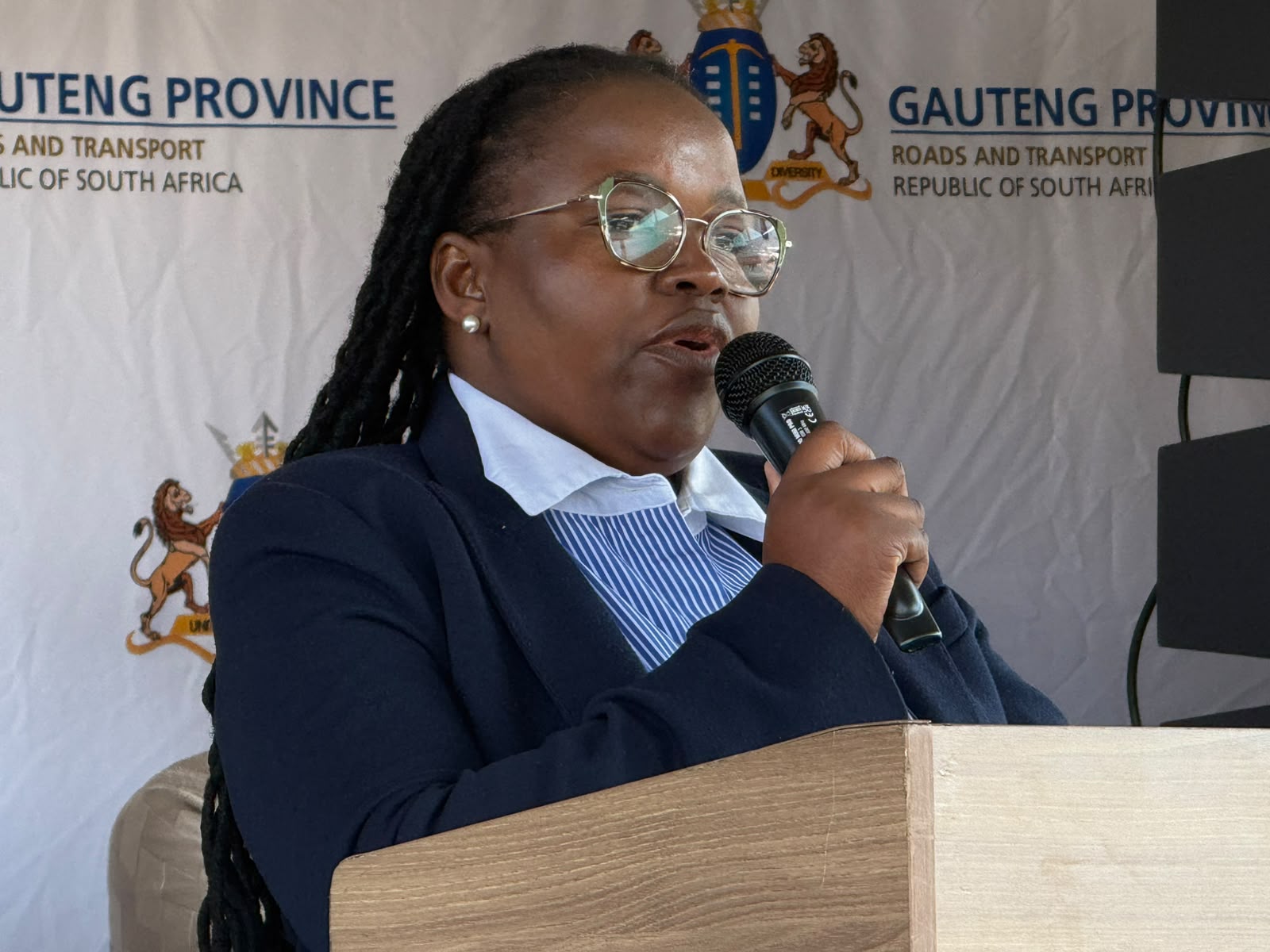
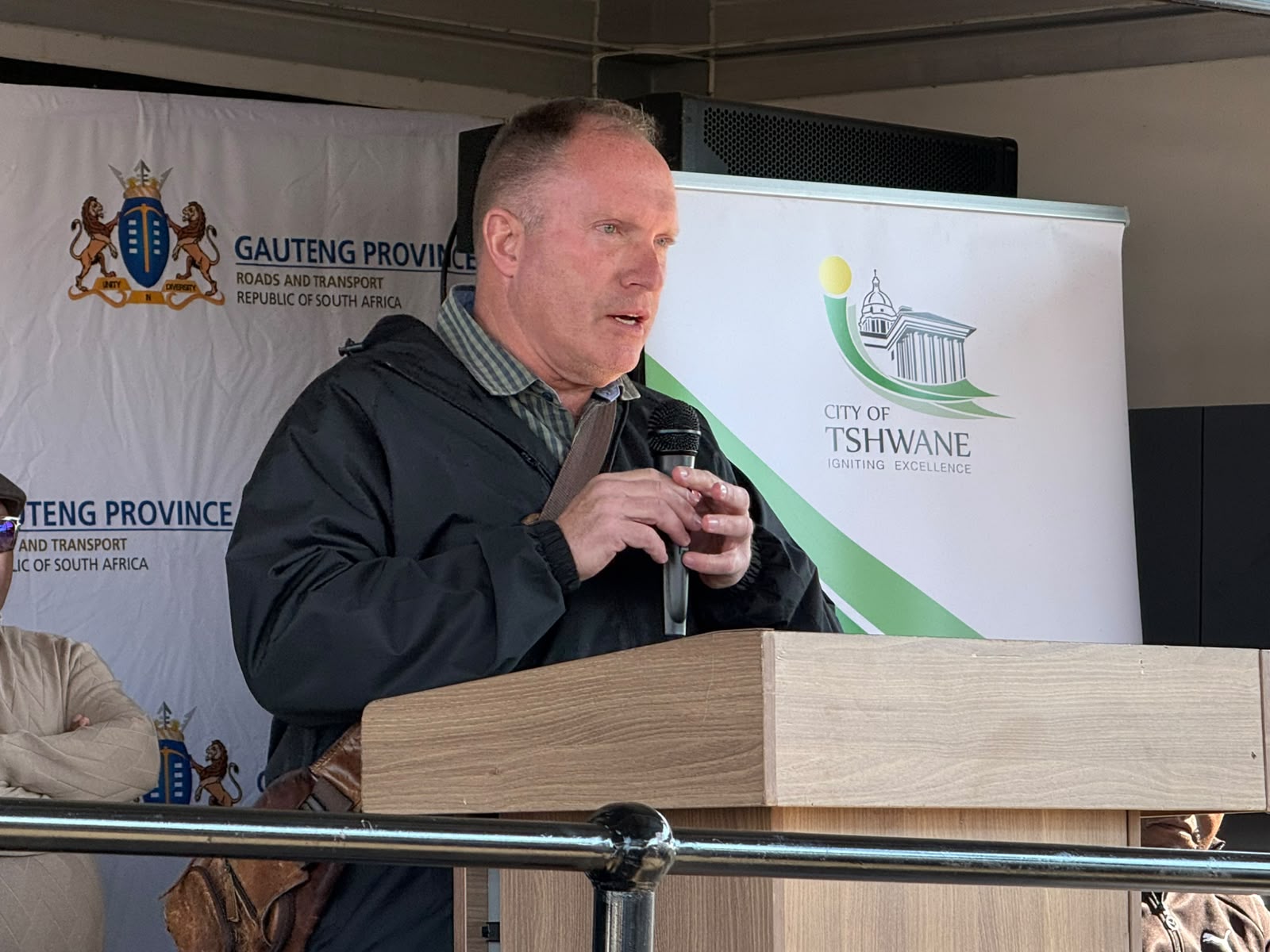
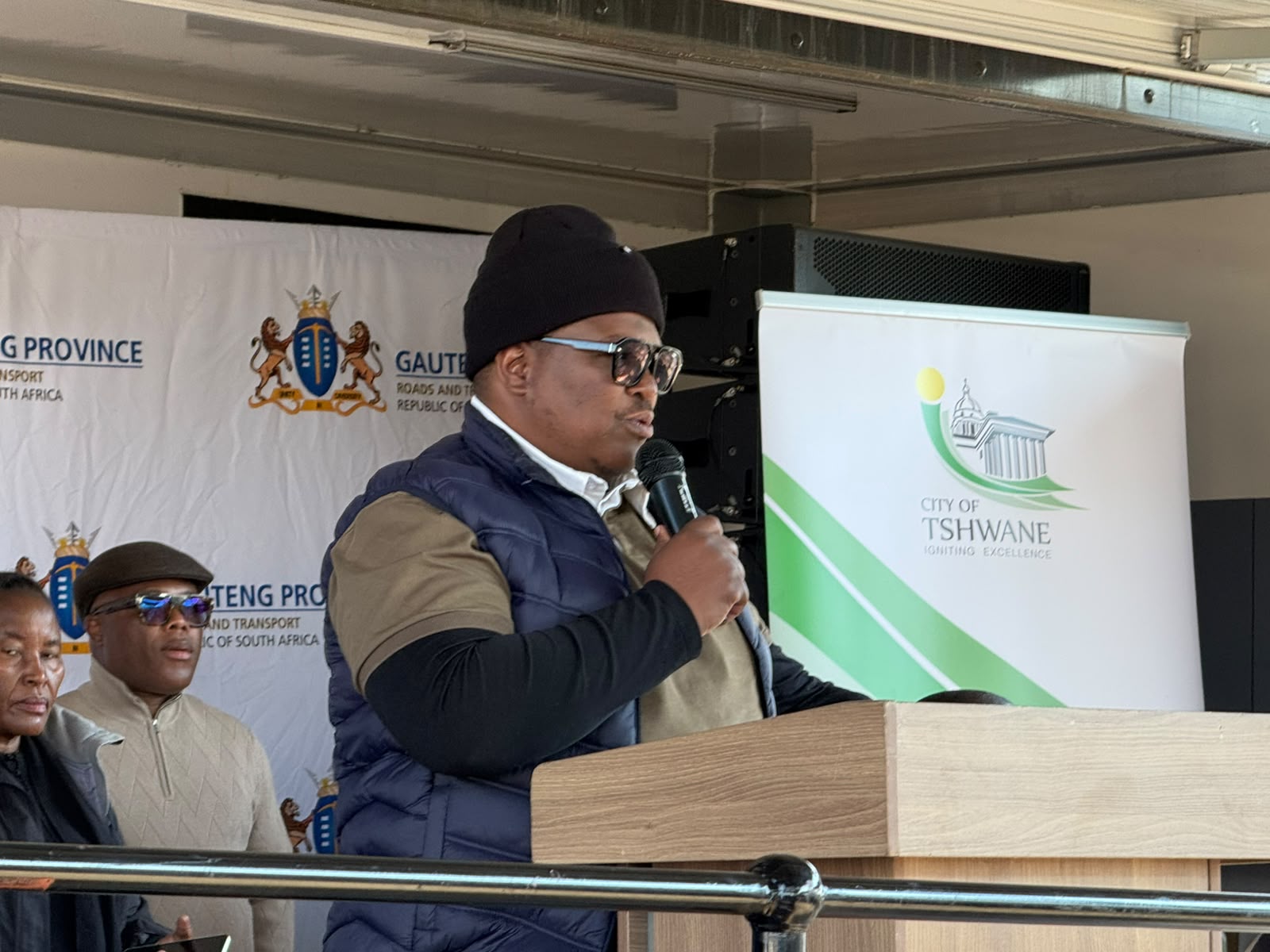
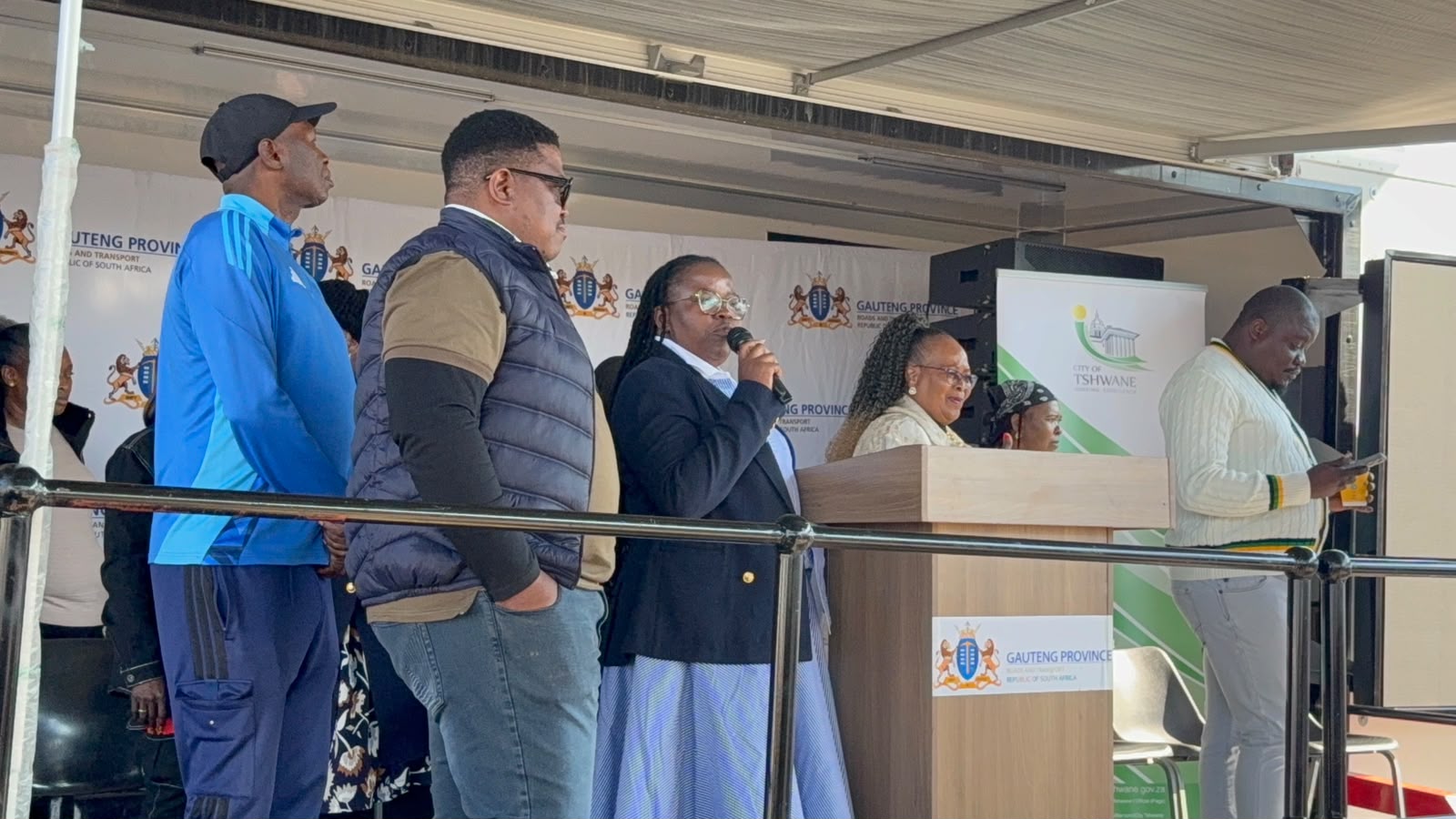
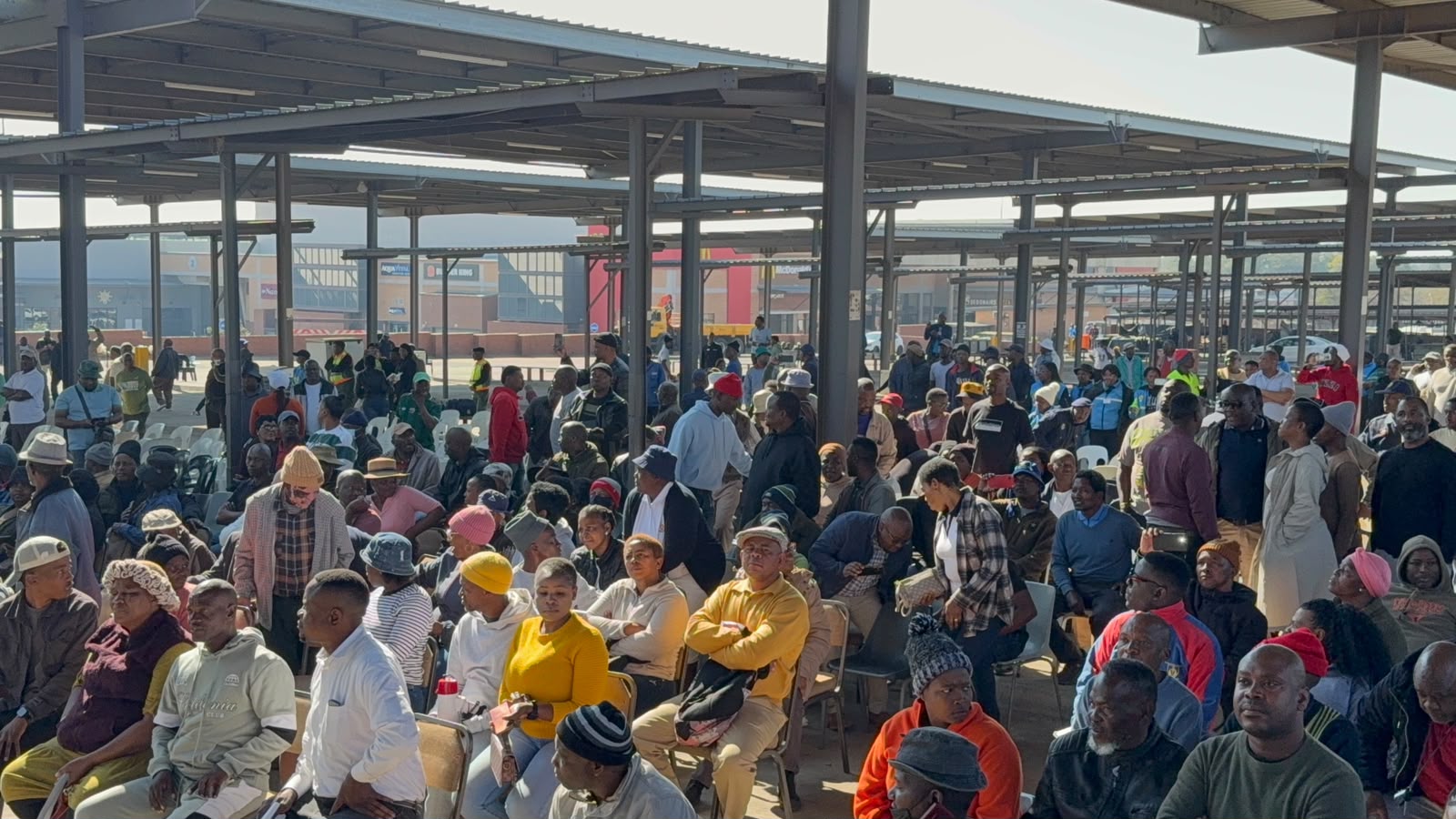
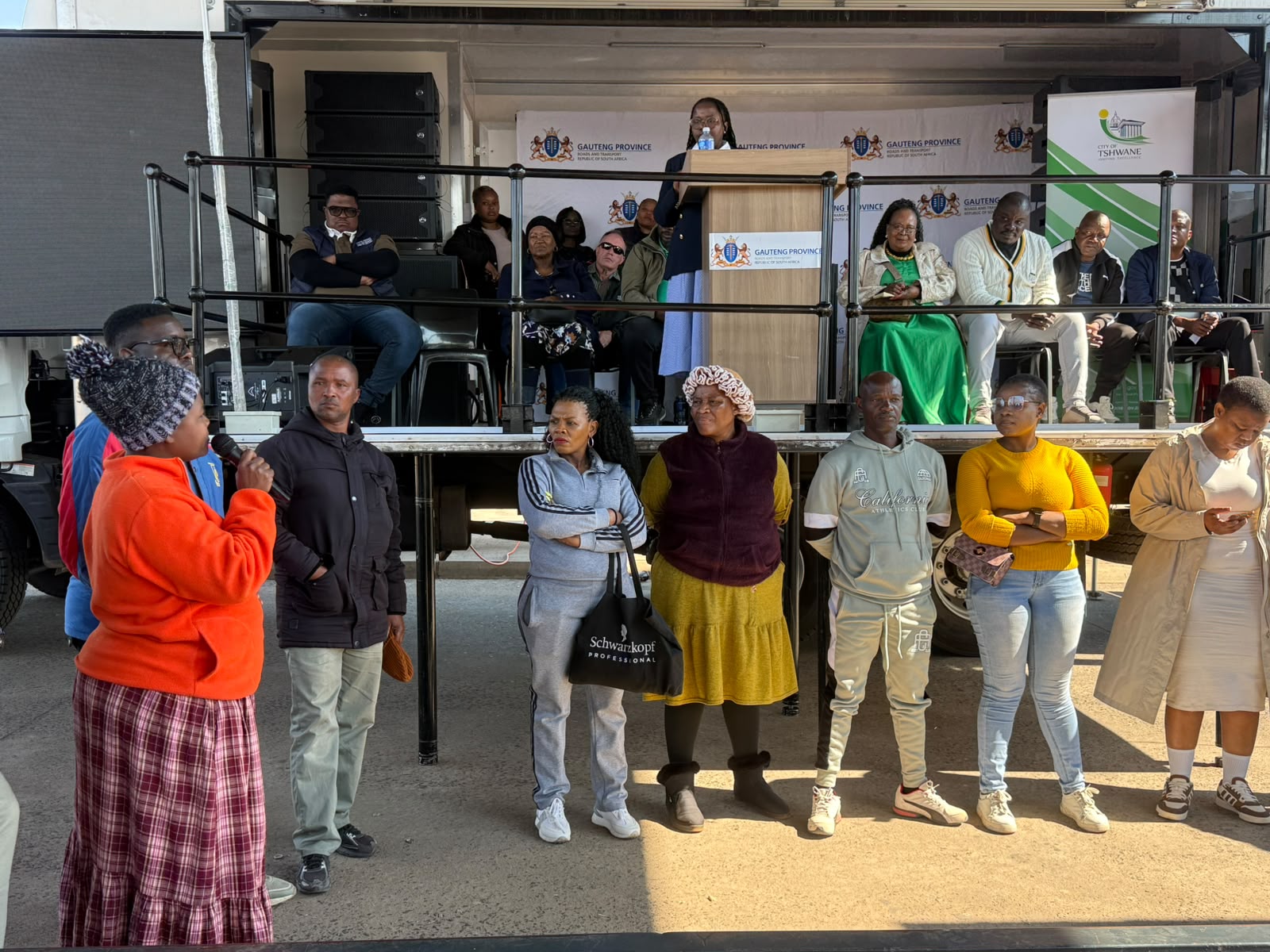
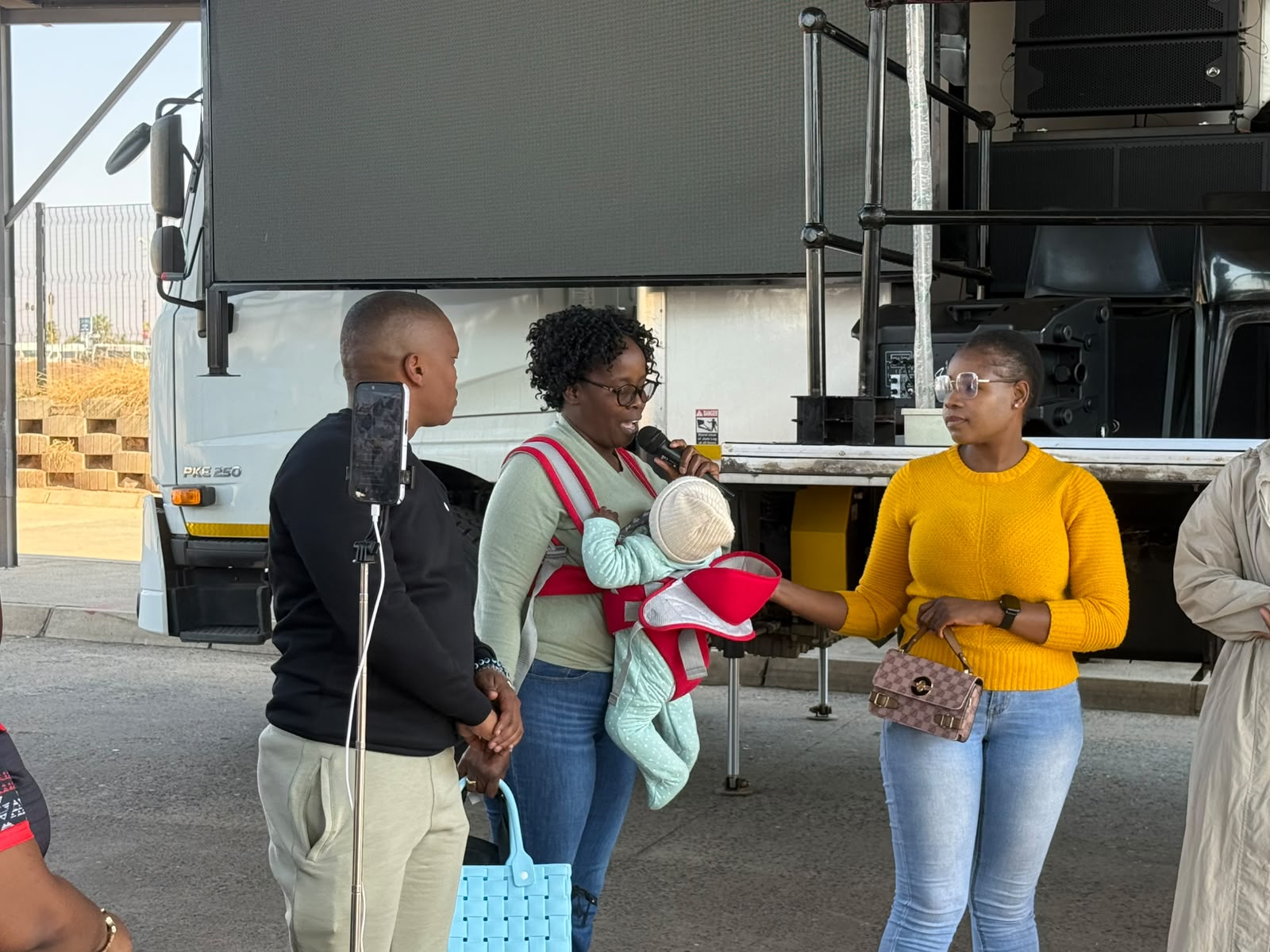
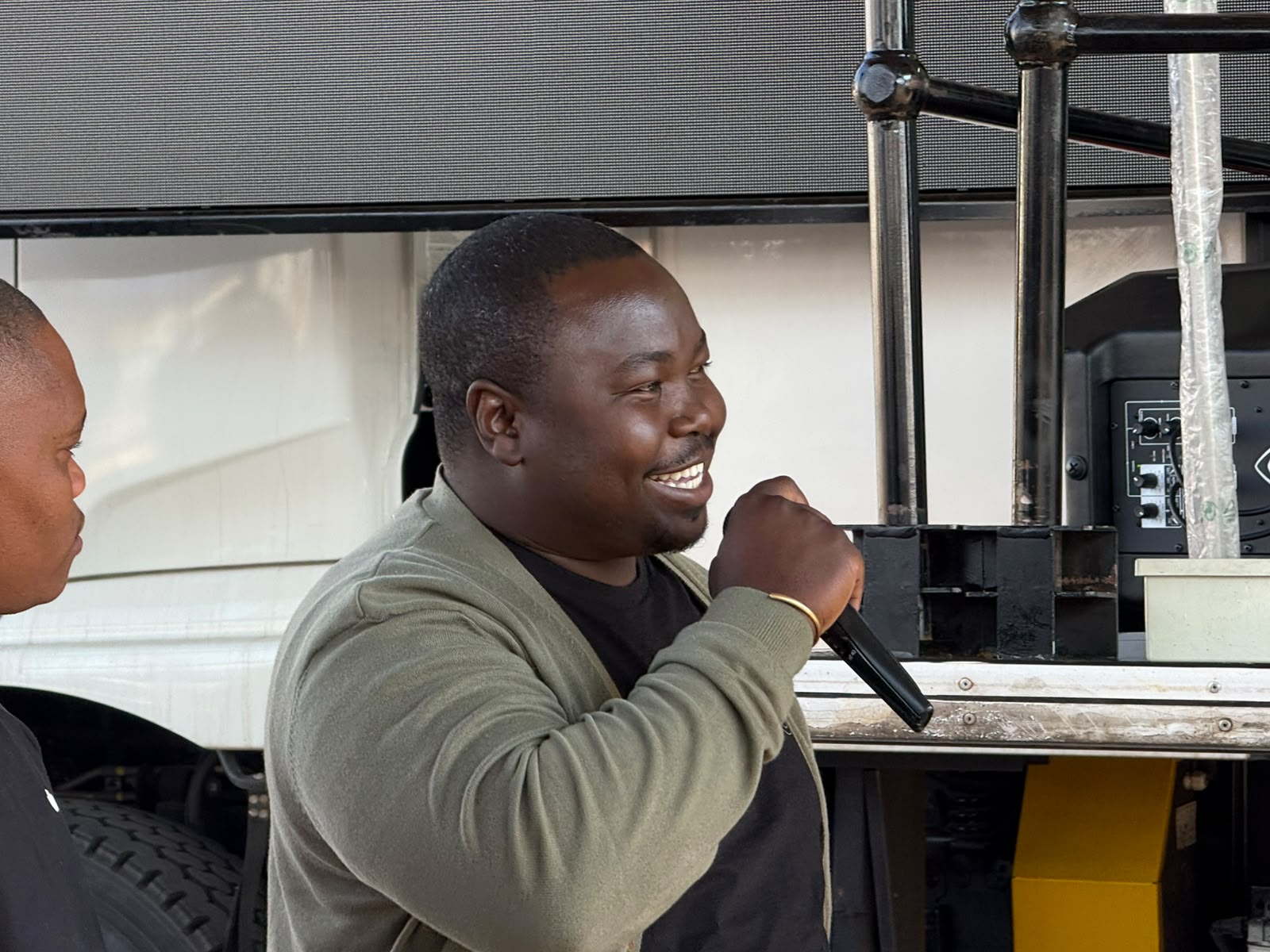
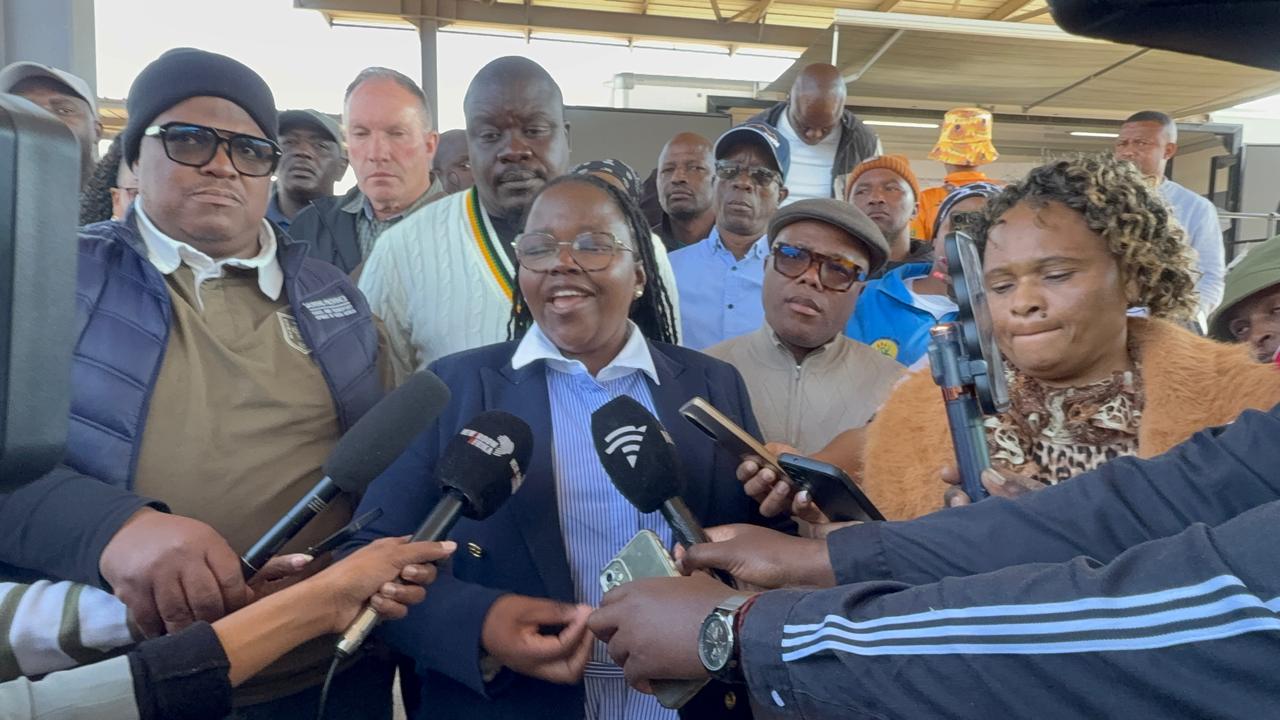
Gauteng MEC for Roads and Transport, Kedibone Diale-Tlabela, met residents on Sunday at the Jubilee Mall Bus Terminal to seek a mandate to introduce Gautrain buses to serve the area, where the subsidised bus system has collapsed.
While the proposal was broadly welcomed by residents, the MEC stopped short of giving a start date.
“I cannot give you a date for now,” she told residents, citing unresolved legal and financial issues between Gauteng and the North West government.
Hammanskraal was moved from North West to Gauteng following constitutional boundary changes approved in 2005 and implemented in 2006. Although the area now falls under the City of Tshwane in Gauteng, the subsidised bus contract servicing the community remained with North West Transport Investment (NTI), an entity of the North West provincial government. That legacy arrangement lies at the heart of the deadlock.
According to the MEC, Gauteng cannot introduce a new operator while the NTI contract is in place, as intergovernmental protocols prevent the province from acting unilaterally.
She further explained that Gauteng cannot release or redirect subsidy payments without complying with the Public Finance Management Act, 1999, Act No. 1 of 1999. Administered by the National Treasury, the law strictly regulates how national and provincial governments manage public funds and prohibits unauthorised or irregular expenditure, even in urgent situations.
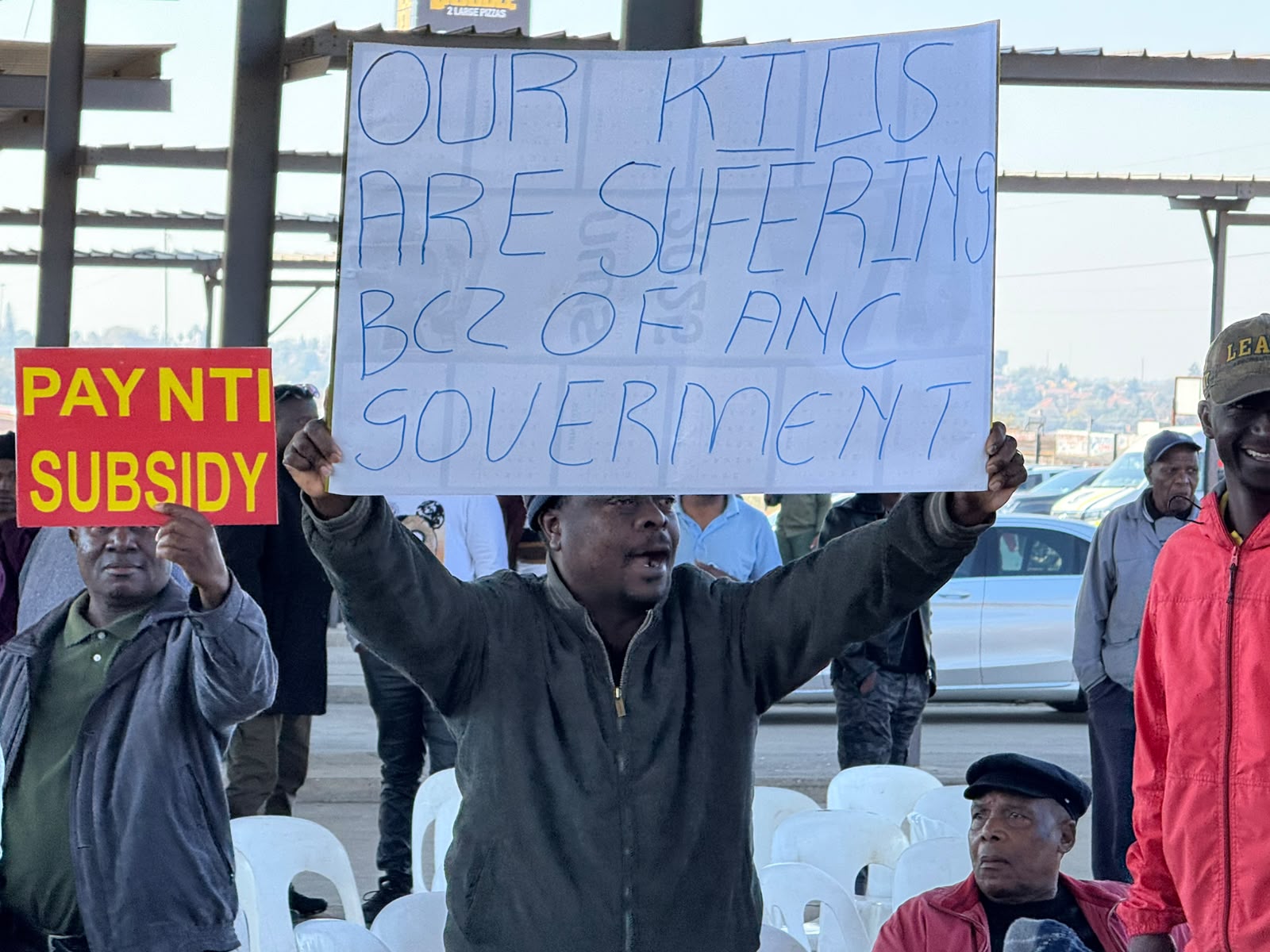
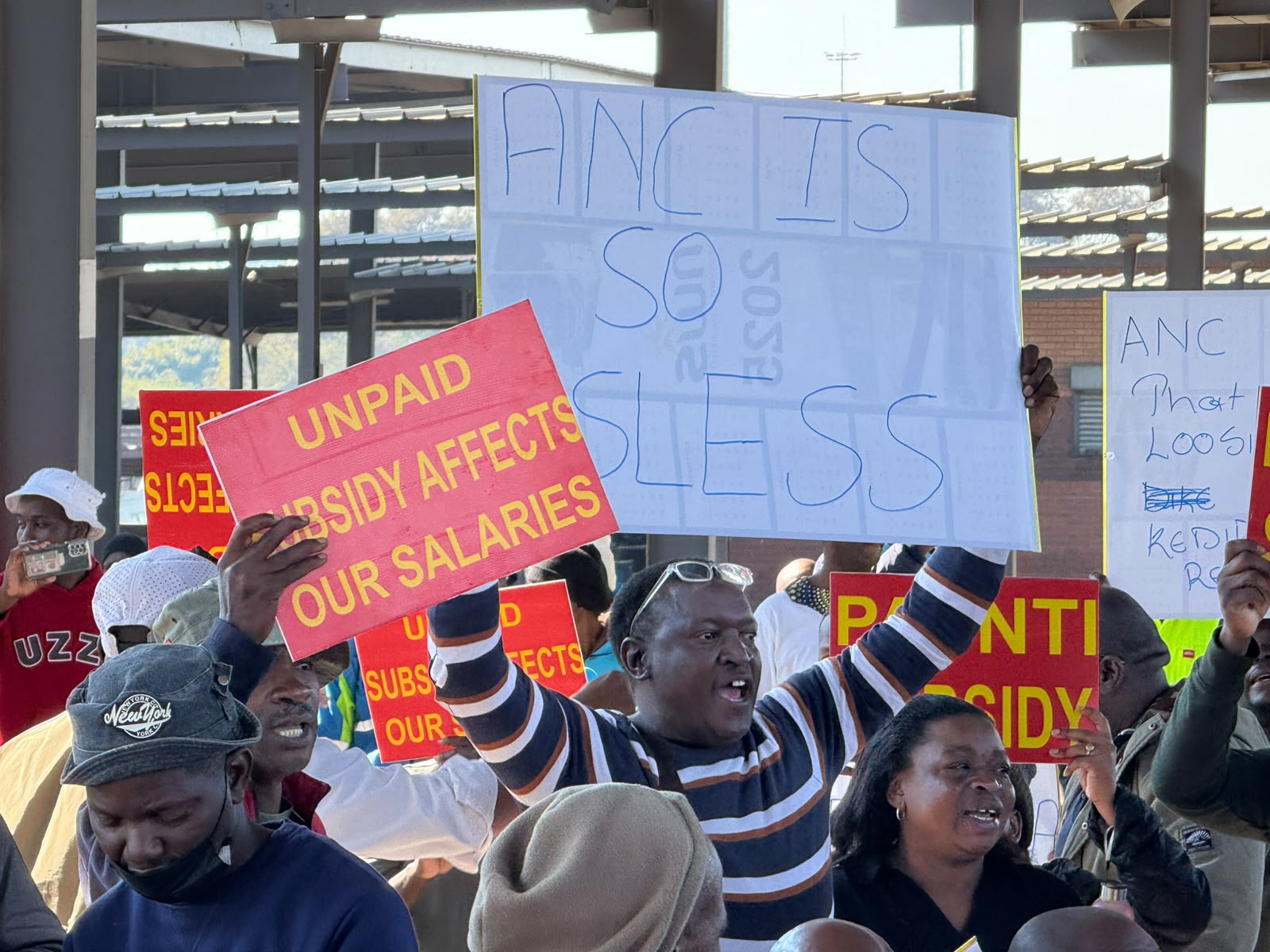
At the centre of the dispute is money. Workers say they have not been paid for 14 months, while Gauteng is withholding two months of subsidy payments pending clarity from North West. The province is also awaiting a written undertaking from North West that it will reimburse Gauteng should it assume financial responsibility if NTI fails to meet its obligations. Without that guarantee, the MEC said, Gauteng cannot legally step in.
“We are governed by the PFMA, National Treasury rules and intergovernmental relations frameworks,” she said.
Against this backdrop, the MEC presented the proposed solution: extending Gautrain bus services to Hammanskraal and the surrounding areas. The model would include buses operating on main corridors, supported by feeder services to areas such as Kgomo Kgomo, Pankop, Mathibestad, Makapanstad and Kekana Gardens. Taxis would be integrated into the system, alongside a unified payment method to prevent commuters from paying multiple fares. The plan is also expected to create employment opportunities.
The buses would operate on a scheduled, cashless system similar to existing Gautrain routes. MEC Diale Tlabela said commuters living in the North West but working in Gauteng would also be accommodated. She told residents that consultation was necessary before implementation and sought their mandate to proceed, which the community largely granted.
However, she stressed that the rollout remains subject to resolving the NTI contractual issues and related legal obstacles, including court interdicts that have complicated previous restructuring attempts. While she indicated the system could be operational within three months once those matters are finalised, she reiterated that she cannot commit to a date.
“We are ready,” she said, “but not without resolving the pending challenges and the necessary signatures.”
For commuters, the stalemate has been devastating.
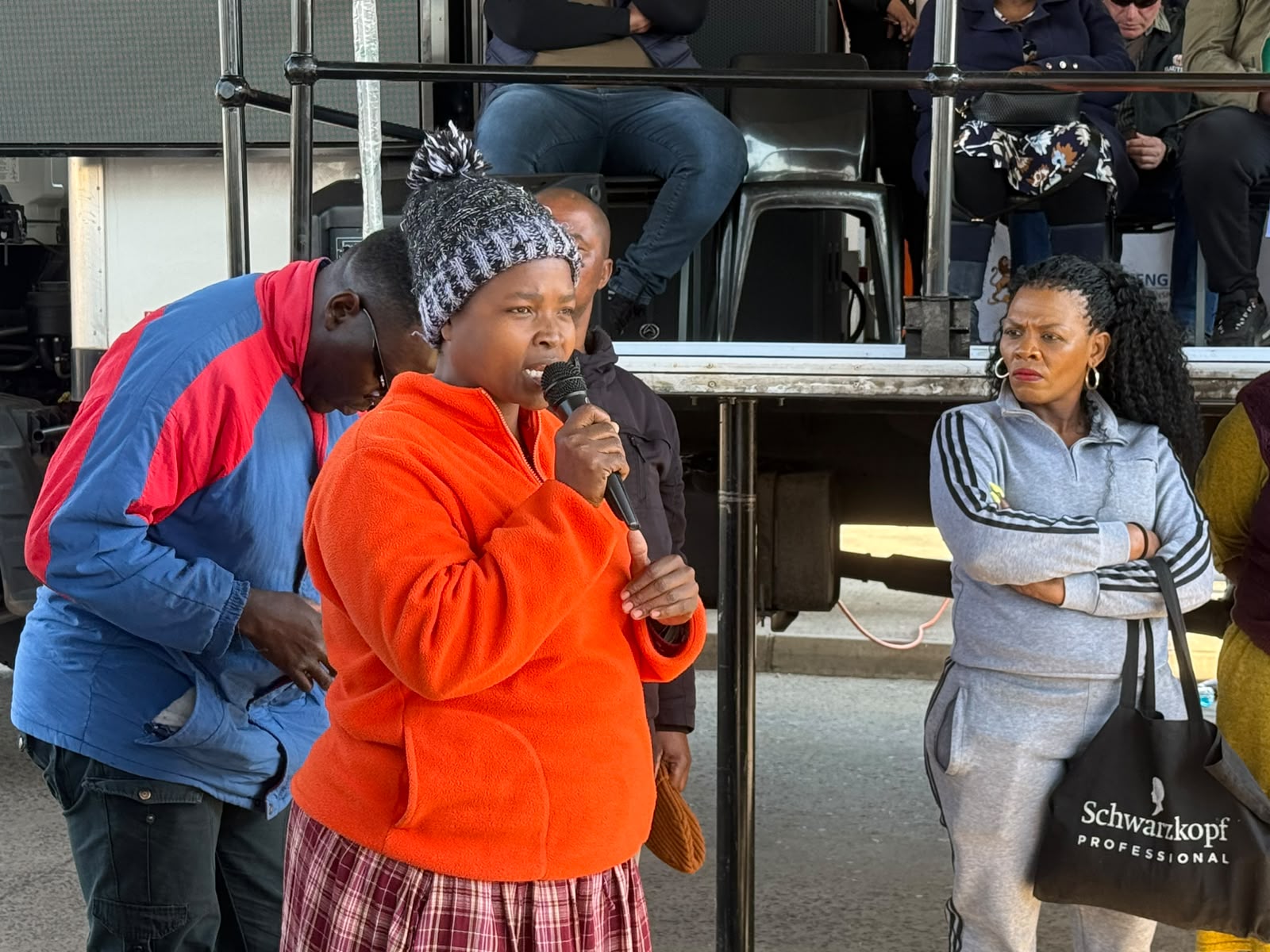
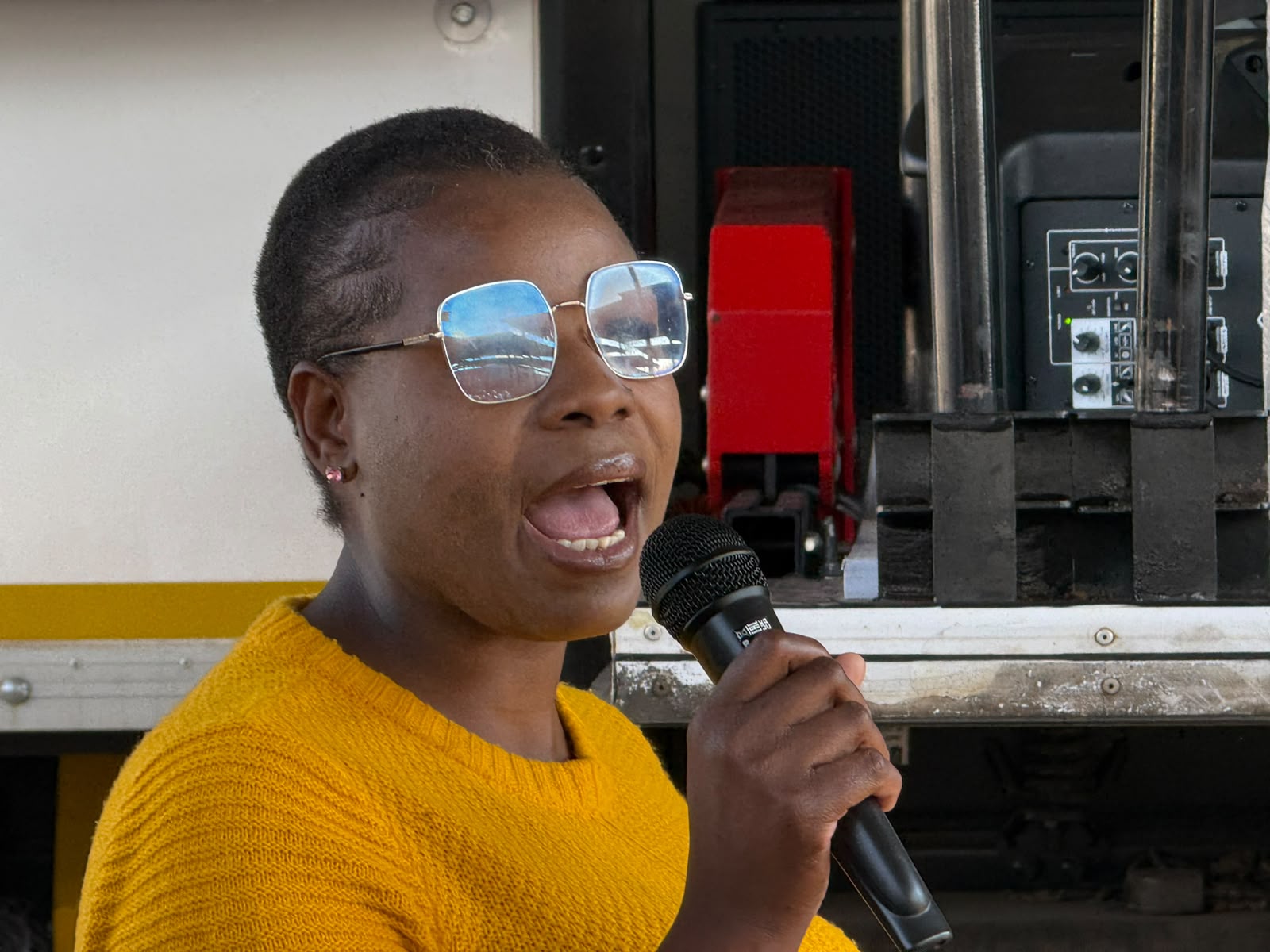
“I am spending R120 a day just to get to work,” said Elizabeth Skhosana. “That is money for food. If the buses come, even tomorrow, we will be grateful.”
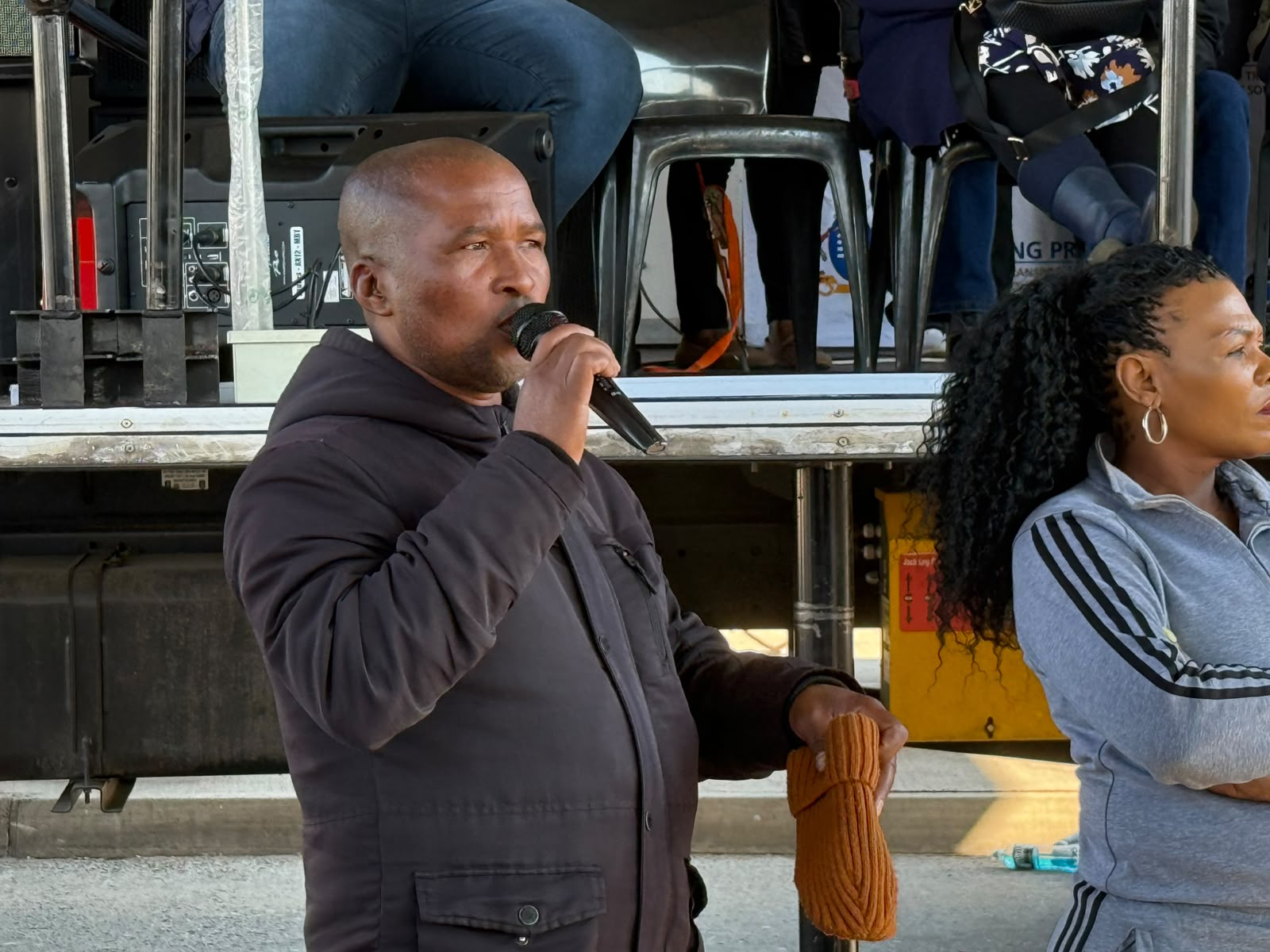
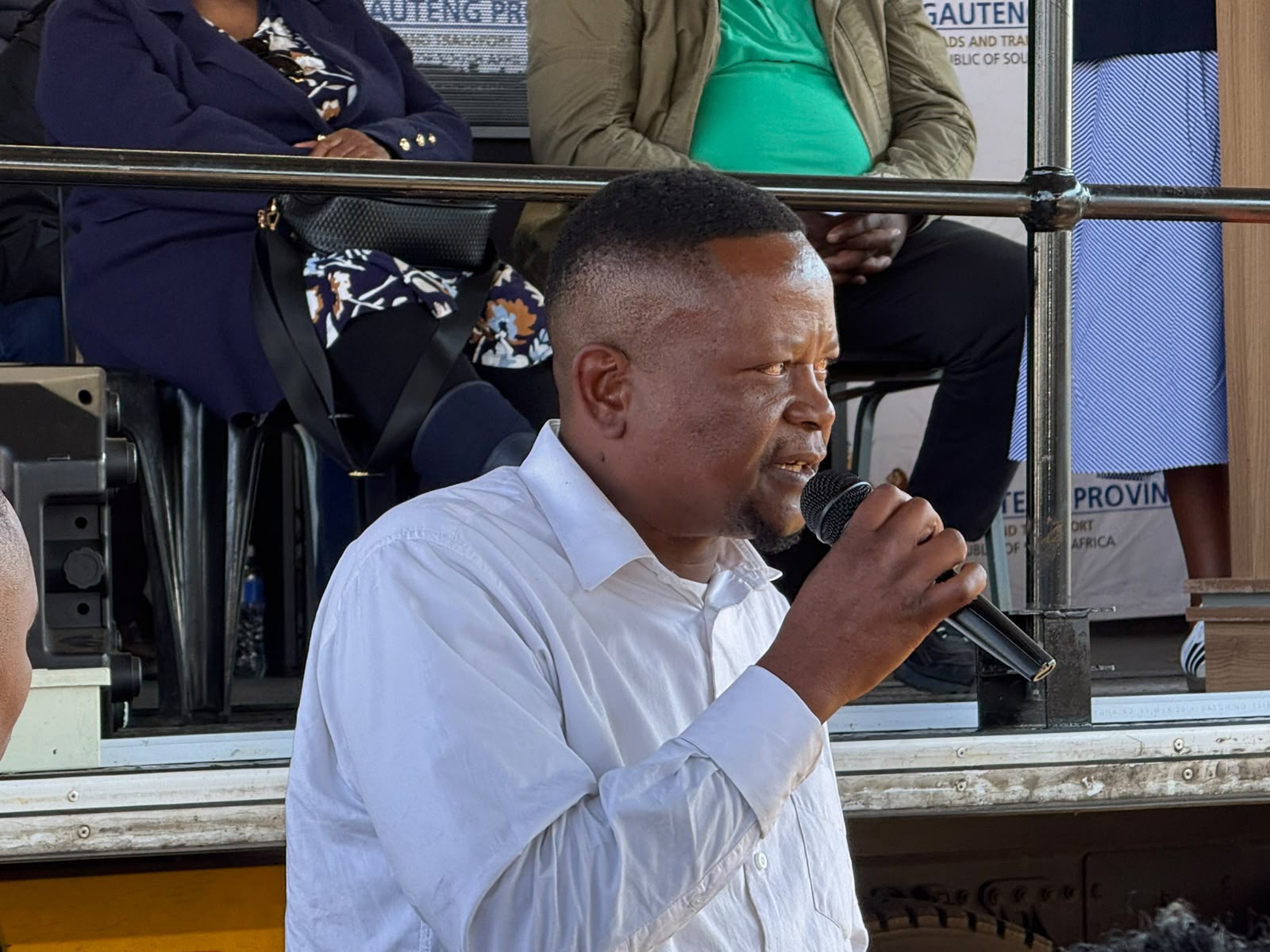
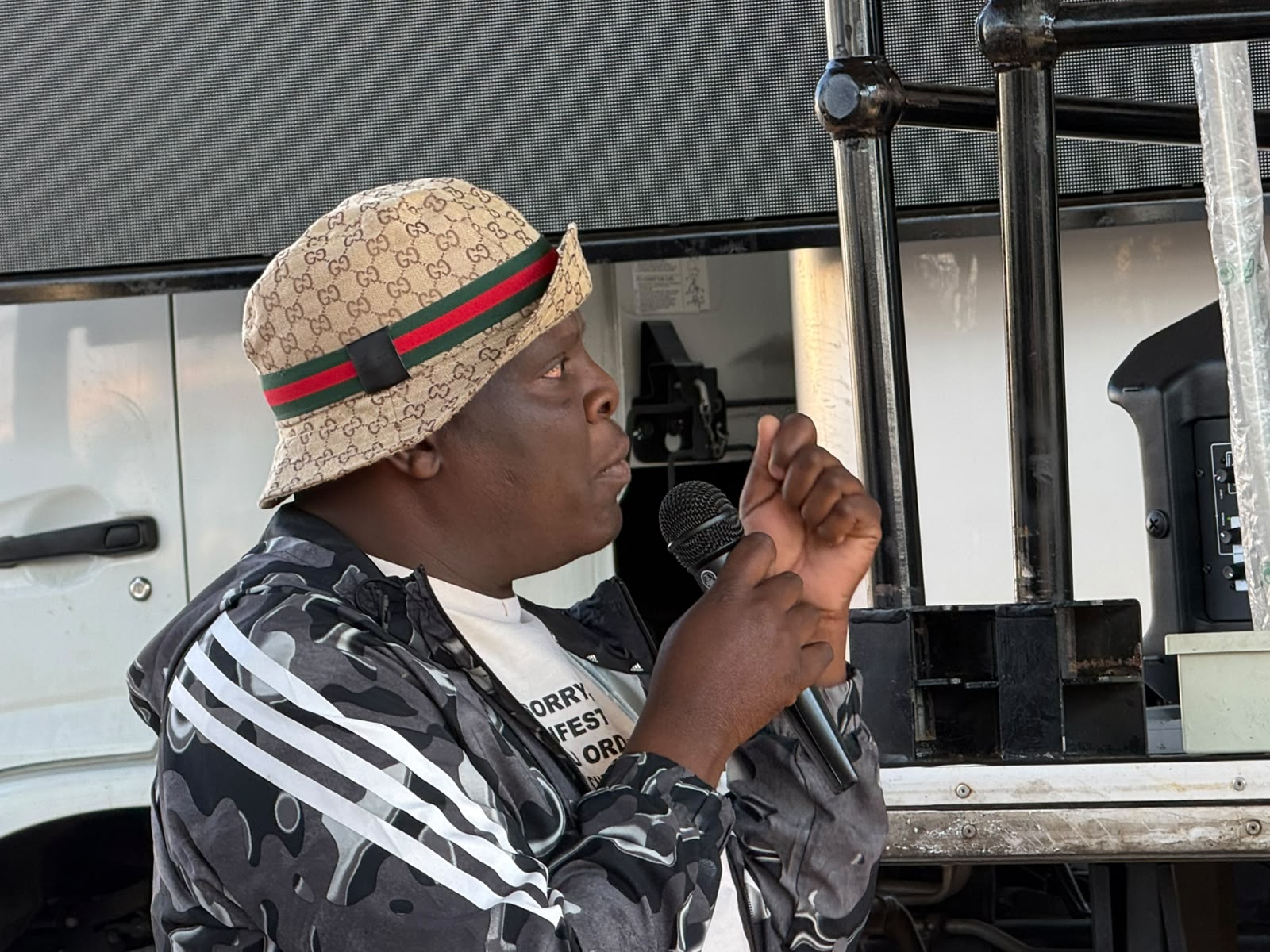
Another resident, Caiphus Maputu, questioned whether the visit would bring real change. “We do not want campaigning. We want buses to serve us as of yesterday,” he said.
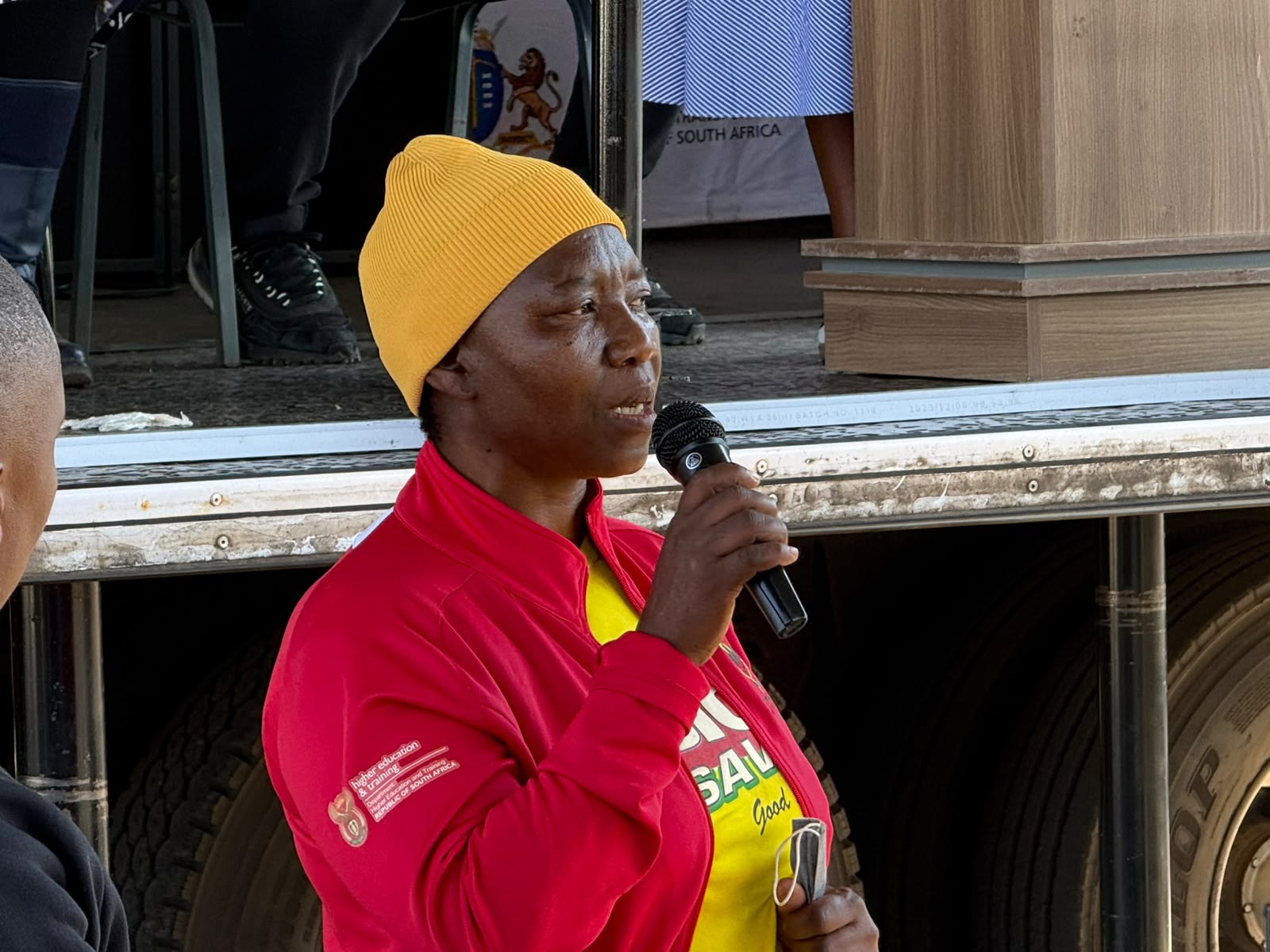
A representative of the Unemployed Professional Job Seekers Association said the collapse of public transport was cutting residents off from employment opportunities. “When there are no buses, we are cut off from opportunities. Please protect this process, and we ask God to also protect this process.”
Several commuters said they had already lost jobs because they could no longer afford transport. Others raised concerns about deteriorating roads in Pankop, Makapanstad, and Mathibestad, as well as the road connecting Mabopane and Hammanskraal, saying potholes were damaging vehicles and contributing to accidents. The MEC confirmed that some repairs are underway, but noted that Gauteng cannot repair infrastructure that falls under the North West’s jurisdiction.
“In Mabopane, we were fixing a stretch of road and came across a section that belonged to North West, and we could not repair it, to the dismay of the community. But that is the reality we are facing,” the MEC said in a side interview.
Residents also alleged overcharging and intimidation by some taxi operators, although taxis are expected to form part of the integrated system.
Former NTI drivers sought clarity on how they would be absorbed into the new model, while younger applicants asked about recruitment criteria. The MEC said experienced drivers would be encouraged to apply, and the appointments would follow transparent and lawful processes.
“We will not punish workers because of intergovernmental problems,” she said.
For Hammanskraal residents, the 2006 demarcation was meant to usher in improved service delivery. Instead, nearly two decades later, they remain caught between two provinces, geographically part of Gauteng yet contractually bound to North West. Until the NTI contract is resolved, the reimbursement undertaking signed and the R1,3 billion intervention unlocked, buses will remain off the road, and commuters will continue paying the price of a boundary drawn years ago.
Before the meeting began, several community members who attempted to disrupt the meeting were arrested. Senior Inspector Busisiwe May said they would face charges of public disturbance and inciting violence.